


Explore our flagship, medical-grade urology, critical care, and laparoscopic surgical disposables manufactured under strict ISO 13485 cleanroom protocols.
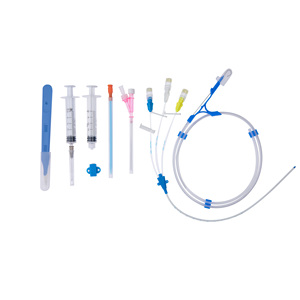
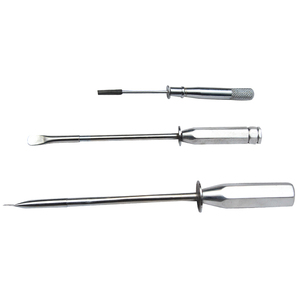
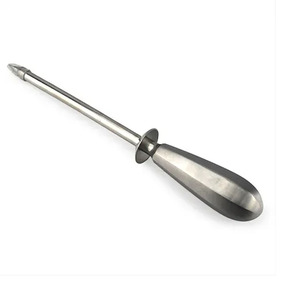
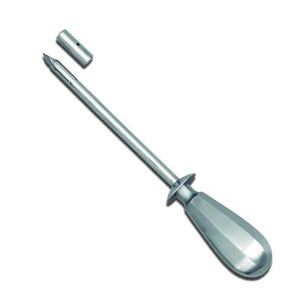
Since our founding in 1955, our group has evolved into one of the world's most trusted manufacturers and international exporters of single-use medical devices, urology catheters, anesthesia airway products, and specialized surgical wound care solutions. Operating under comprehensive ISO 9001 and ISO 13485:2016 Quality Management Systems alongside WHO-GMP certification, our integrated manufacturing plants represent state-of-the-art polymer processing and automated clinical assembly.
Information Gain Benchmark: Our in-house research laboratory conducts 100% batch-wise balloon burst pressure validation, lumen flow dynamics checks, and non-toxic biocompatibility testing in accordance with ISO 10993 standards to guarantee zero clinical failure rates in operating theatres and intensive care units worldwide.
With an active commercial presence across Europe, Latin America, Africa, the Middle East, and Asia, our manufacturing infrastructure combines heavy-duty automated dipping lines, cleanroom extrusion, ultrasonic welding, and terminal Ethylene Oxide (EO) sterilization. We empower international hospital procurement managers and tender applicants with complete regulatory dossiers, including CE Marking under EU MDR 2017/745, Free Sale Certificates (FSC), and comprehensive stability testing profiles.
A Foley catheter is a flexible, indwelling urinary catheter designed to drain urine from the bladder continuously. Its clinical efficacy depends on wall elasticity, balloon symmetry, lumen geometry, and surface biocompatibility to prevent Catheter-Associated Urinary Tract Infections (CAUTI) and urethral trauma.
100% Silicone vs. Siliconized Latex: Our 100% All-Silicone catheters feature inert translucent medical-grade silicone that eliminates latex hypersensitivity while minimizing encrustation risks during long-term catheterization (up to 30 days). Our Siliconized Latex variants incorporate a smooth hydrophobic silicone outer layer over natural rubber latex, reducing insertion friction and mucosal adhesion.
2-Way vs. 3-Way Configurations: 2-Way Foley catheters consist of a primary drainage lumen and a dedicated balloon inflation lumen (capacities from 5ml to 30ml). 3-Way Foley catheters incorporate a third continuous irrigation lumen designed for postoperative urological surgical care, enabling sterile saline flushing to clear blood clots and debris after TURP or bladder interventions.
Advanced hydrophilic polymer coatings absorb water molecules upon hydration, forming a slippery micro-gel layer with a coefficient of friction near zero (<0.05). Additionally, silver ion antimicrobial surface modifications inhibit bacterial adhesion (such as E. coli and Pseudomonas aeruginosa), drastically reducing hospital-acquired infection rates.
| French Size (Fr/Ch) | Outer Diameter (mm) | Funnel Color Code | Balloon Capacity (ml) | Primary Clinical Application |
|---|---|---|---|---|
| Fr 06 - Fr 10 | 2.0 mm - 3.3 mm | Light Green / Blue / Black | 3 ml - 5 ml | Pediatric & Neonatal Urinary Drainage |
| Fr 12 - Fr 14 | 4.0 mm - 4.7 mm | White / Green | 5 ml - 10 ml / 30 ml | Female & Small Adult Male Catheterization |
| Fr 16 - Fr 18 | 5.3 mm - 6.0 mm | Orange / Red | 10 ml / 30 ml | Standard Adult Male & General Hospital Ward Use |
| Fr 20 - Fr 24 | 6.7 mm - 8.0 mm | Yellow / Purple / Blue | 30 ml | Hematuria, Post-Operative Drainage & Large Clot Clearance |
| Fr 26 - Fr 30 | 8.7 mm - 10.0 mm | Black / Dark Green | 30 ml - 50 ml | Specialized Urological Surgery & Continuous Irrigation |
As global healthcare systems shift toward value-based procurement, infection prevention metrics, and sustainable supply chain management, purchasing directors are evolving their sourcing criteria. Based on market intelligence across 90+ countries, we highlight the five major shifts redefining medical disposable contracts:
Global hospitals are increasingly banning plain latex disposables due to systemic latex allergy risks among patients and healthcare professionals. Sourcing contracts are transitioning heavily toward 100% liquid silicone rubber (LSR) and hydrogel-coated catheters that reduce tissue friction, lower calcification, and support up to 30-day dwelling times.
To reduce CAUTI incidences—which account for over 30% of all hospital-acquired infections (HAIs)—procurement tenders now demand pre-connected, closed-system Foley catheter kits. These kits integrate the catheter directly with a sterile urometer or closed drainage bag with needleless sampling ports and anti-reflux valves.
In Intensive Care Units (ICUs) and cardiovascular surgical procedures, temperature-sensing Foley catheters are becoming standard. Featuring encapsulated thermistors, these dual-purpose devices continuously monitor core body temperature while maintaining continuous bladder drainage.
Regulatory authorities in the European Union (EU MDR 2017/745), US FDA, and LATAM region now require direct Unique Device Identification (UDI) barcode marking on individual blister pouches and master cartons. Importers must ensure their direct factory partners provide full technical documentation and batch sterilization validation reports.
Global procurement offices are shifting away from single-country supplier dependency. India has emerged as a premier manufacturing destination due to robust pharmaceutical and polymer engineering infrastructure, ISO cleanroom compliance, cost-competitive labor, and reliable export logistics.
The manufacturing of urological catheters and laparoscopic surgical instruments is undergoing a technological transformation. Below are the key technological advancements engineered within our production facilities:
Traditional punch-cut eyelets leave microscopic burrs that scratch sensitive urethral mucosa during insertion. Our factory utilizes laser-polished and thermo-flared side eyelets, creating ultra-smooth transitions that facilitate continuous, blockage-free urine flow while preventing tissue trauma.
Using automated industrial EO sterilization chambers operating under precise humidity, pressure, and gas concentration matrix controls, our processes ensure a Sterility Assurance Level (SAL) of 10⁻⁶. Extended aeration cycles reduce EO residuals far below stringent EN ISO 10993-7 safety thresholds.
Our catheter and thoracic cannula extrusion lines co-extrude medical-grade barium sulfate (BaSO₄) stripes along the entire length of the tube body, allowing radiographers to confirm anatomical placement instantly via X-ray imaging without compromising tube elasticity.
Detailed answers to essential questions regarding OEM customization, quality certifications, sterilization standards, and international delivery terms.
Our manufacturing facilities operate under strictly audited ISO 9001 and ISO 13485:2016 Quality Management Systems. We hold WHO-GMP certification and CE Marking under applicable European Medical Device Regulations. Full technical dossiers, biological evaluation reports (ISO 10993), and batch release documentation are provided to international importers for regulatory registration.
Yes. We offer turnkey OEM and private-label manufacturing programs for medical device distributors, brand owners, and government tender applicants. Services include customized pouch printing, multi-language Instructions for Use (IFU), specialized color coding, custom shelf boxes, and shipping carton designs engineered to meet your country’s specific labeling regulations.
All single-use urology catheters, anesthesia airway tubes, and surgical disposables undergo terminal sterilization via Ethylene Oxide (EO) gas in validated vacuum chambers according to ISO 11135 standards. Every individual peel pouch features a chemical indicator strip, lot number, manufacturing date, and 5-year expiration date for complete point-of-care traceability.
Our standard MOQ for stock configurations is generally 5,000 to 10,000 units depending on the product line. For customized OEM brand orders, MOQs range from 20,000 to 50,000 units per size. Production lead times typically range from 25 to 35 calendar days following artwork approval and payment confirmation.
During automated production, 100% of manufactured catheters undergo multi-stage inflation and deflation testing. Balloons are inflated to 150% of rated capacity in heated water baths to inspect for concentric symmetry, wall thickness uniformity, and inflation channel integrity before drying, packaging, and terminal sterilization.
Overseas distributors and hospital procurement teams can request product samples, laboratory test reports, material safety data sheets (MSDS), and official commercial quotations by clicking the live inquiry button on this page to connect directly with our international export desk.
Streamline your medical disposables procurement with certified quality, competitive direct-factory pricing, and documented global compliance. Contact our export engineering team today to review technical dossiers, request sterile product samples, or submit tender specifications.