Precision Tip Molding
Automated radio-frequency (RF) tip-forming yields smooth, tapered catheter ends with precise bevel angles, reducing insertion force and tissue trauma during chest wall penetration.



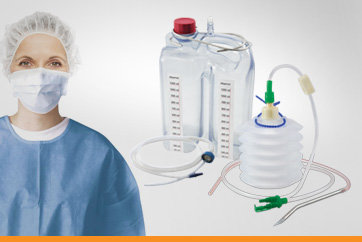
Engineered for rapid, atraumatic intrapleural access and high-flow drainage. Trusted by ICU directors, trauma centers, and healthcare distributors across 90+ countries.
An authoritative analysis of material engineering, clinical insertion intent, regulatory compliance dossiers, and global procurement trends for hospital purchasing managers and medical device importers.
In acute critical care, cardiothoracic surgery, and emergency trauma management, the Thoracic Trocar Catheter serves as a vital clinical device for evacuating air, blood, chyle, or purulent exudates from the pleural space. Rapid intercostal insertion is essential during life-threatening conditions such as tension pneumothorax, massive hemothorax, or complicated pleural effusions. For international hospital procurement teams, Ministry of Health (MoH) tender boards, and OEM medical distributors, selecting the appropriate manufacturer requires evaluating structural integrity, flow kinetics, biocompatibility, and regulatory compliance.
Sterimed Group, established in 1955, manufactures high-precision Thoracic Trocar Catheters engineered to balance rigid penetration force with soft intrapleural flexibility. Operating under ISO 13485, WHO-GMP, and CE directives, our Delhi manufacturing facilities utilize controlled cleanroom environments to deliver clinical-grade catheters that prevent tissue trauma, prevent lumen kinking, and maintain hermetic seals during closed chest drainage.
To assist global procurement officers in matching product codes with clinical intent, Sterimed produces a comprehensive portfolio of Thoracic Trocar Catheters ranging from pediatric (8 Fr) to heavy-duty adult trauma sizes (36 Fr). Each catheter is supplied sterile in individual blister pouches with dual-peel peel-open designs.
| Parameter / Feature | Technical Specification | Clinical & Operational Benefit |
|---|---|---|
| Available Sizes (French Scale) | Fr 8, 10, 12, 14, 16, 20, 24, 28, 32, 36 | Supports neonates, pediatric patients, and adult trauma cases requiring rapid viscous fluid evacuation. |
| Catheter Material | Thermosensitive, non-toxic, medical-grade PVC / Implant-grade Silicone | Softens at human body temperature (37°C) to conform to pleural contours while preventing intercostal compression. |
| Trocar Obturator | Stainless steel (AISI 304/316 grade) with ergonomic molded handle | Ensures controlled, low-force chest wall penetration with superior axial alignment and minimal tissue drag. |
| Depth Markings | Clear 2 cm interval graduations from distal tip | Allows precise depth placement and instant bedside radiograph position checks. |
| Radio-Opaque Strip | Co-extruded Barium Sulfate (BaSO4) line along catheter length | Provides full X-ray visibility under fluoroscopy or standard bedside thoracic radiography. |
| Lateral Eye Geometry | Smoothly finished, non-traumatic dual/quadruple staggered side eyes | Maximizes fluid displacement, reduces clot occlusion, and eliminates tissue erosion during suction. |
| Sterilization Standard | Terminal Ethylene Oxide (EO) process per ISO 11135 | Guarantees Sterility Assurance Level (SAL) 10⁻⁶ with strict residual EO limits below international thresholds. |
The Sterimed Thoracic Trocar Catheter combines a razor-sharp, precision-ground stainless steel trocar tip with a rounded catheter bevel. This design enables swift percutaneous entry through the intercostal muscle layer, avoiding extra pleural dissection while reducing accidental organ puncture risk.
The ergonomic polypropylene handle provides full control for clinicians during push-through maneuvers, making it a reliable choice for emergency rooms, intensive care units (ICUs), and field hospitals.
Inquire Now When procurement officers evaluate thoracic drainage consumables, an important distinction must be drawn between direct trocar-assisted catheterization, traditional open thoracostomy tubes, and Seldinger (wire-guided) chest drains. Providing clear clinical context helps distributors present appropriate choices to hospital tender committees.
A. Trocar-Assisted Placement vs. Seldinger Technique: Seldinger catheters (pigtail style, 8-14 Fr) are preferred for low-viscosity malignant pleural effusions due to minimal insertion trauma. However, they frequently clog when draining thick empyema or heavy blood clots. Sterimed Thoracic Trocar Catheters (up to 36 Fr) feature larger cross-sectional lumina designed for immediate evacuations during trauma, preventing emergency blockage.
B. Hydrodynamic Flow Kinetics (Poiseuille's Law): According to Poiseuille's equation ($\Delta P = \frac{8\mu L Q}{\pi r^4}$), flow rate ($Q$) scales to the fourth power of the inner radius ($r$). Increasing the internal diameter by moving from a 14 Fr catheter to a 28 Fr Thoracic Trocar Catheter increases volumetric drainage capacity by up to 16 times, which is critical in preventing cardiac tamponade or respiratory failure during hemothorax.
C. Minimizing Intercostal Nerve Compression: Traditional rigid chest tubes can exert continuous pressure on the intercostal neurovascular bundle, causing severe patient pain. Sterimed's thermosensitive PVC formulation softens post-insertion, reducing rigidity within the intercostal space while maintaining full lumen integrity.
As global medical device procurement moves toward higher safety standards, supply chain transparency, and sustainability, hospital buyers are adjusting their specifications. B2B importers should anticipate several key developments in the thoracic market:
The manufacturing process for thoracic catheters has evolved beyond standard plastic extrusion. Current industry trends center on polymer engineering and automated quality validation:
Automated radio-frequency (RF) tip-forming yields smooth, tapered catheter ends with precise bevel angles, reducing insertion force and tissue trauma during chest wall penetration.
Advanced co-extrusion integrates the radio-opaque line directly into the catheter wall rather than printing it on the surface. This eliminates ink leaching risks while providing consistent X-ray contrast.
High-resolution optical inspection systems verify side-eye hole geometry, depth marking alignment, and trocar tip sharp angle tolerances on 100% of production lots before packaging.
Sterimed Group is a trusted global partner for high-volume Thoracic Trocar Catheters, airway management devices, urology solutions, and technical silicone tubing. Buying organizations partner with Sterimed for several core capabilities:
Manufacturing medical disposables since 1955, Sterimed combines deep polymer processing expertise with long-term operational stability.
In-house extrusion, stainless steel grinding, cleanroom assembly, and EO sterilization facilities allow complete control over quality and cost structures.
Comprehensive CE Technical Documentation, ISO 13485 certification, ISO 10993 biocompatibility testing, and stability studies ready for local registration.
Proven export experience across Europe, Latin America, the Middle East, Africa, and Southeast Asia, supported by dedicated logistics teams.
Whether you require standard Sterimed-branded inventory, localized private labeling, or custom multi-channel packaging configurations, our OEM division provides flexible solutions for international hospital tenders.
Request product samples, technical files, or factory audit schedules directly from our export sales division.
Inquire NowAnswers to common technical, clinical, and commercial queries submitted by healthcare buyers, importers, and biomedical engineers during supplier evaluations.
A Thoracic Trocar Catheter features a pre-fitted internal stainless steel stylet that provides axial rigidity during chest wall insertion. This allows single-step percutaneous penetration without needing prior blunt tissue dissection or separate trocar clamps. This makes it particularly effective in emergency trauma settings, acute pneumothorax, and rapid hemothorax evacuation where speed is critical.
Thermosensitive medical PVC remains rigid at ambient room temperature (20-25°C), maintaining structural stability during insertion through the intercostal muscle layers. Once placed inside the pleural cavity at body temperature (37°C), the catheter softens. This flexibility allows it to conform naturally to intrapleural anatomical structures, reducing tissue abrasion, lowering post-operative pain, and preventing internal lumen kinking.
Size selection depends on patient age, body mass, and fluid viscosity:
• 8 Fr to 12 Fr: Neonatal and small pediatric fluid/air evacuation.
• 14 Fr to 20 Fr: Adolescents and adult simple pneumothorax or transudative pleural effusions.
• 24 Fr to 32 Fr: Standard adult exudative effusions, empyema, and post-operative cardiothoracic drainage.
• 36 Fr: Emergency adult trauma cases involving thick blood clots or massive hemothorax requiring maximum flow capacity.
Sterimed Thoracic Trocar Catheters feature sharp yet controlled trocar bevel angles, ergonomic handles for tactile feedback during intercostal entry, and clear depth markings starting at 2 cm from the tip. Clinicians use these depth indicators to monitor entry distance, halting insertion as soon as the pleural space is breached and the obturator is withdrawn.
Sterimed uses fully validated Ethylene Oxide (EO) sterilization chambers complying with ISO 11135 standards. Process parameters—including gas concentration, humidity, temperature, and exposure duration—are continuously monitored. Post-sterilization quarantine in heated aeration rooms reduces EO residuals well below ISO 10993-7 allowable limits, preventing tissue irritation or systemic toxicity.
Yes. Sterimed offers complete OEM and private-label manufacturing services. We provide customized primary peel pouches, multilingual IFUs (Instructions for Use), inner carton designs, custom barcode formats (GS1 DataMatrix), and outer shipping boxes aligned with regional regulatory requirements.
Sterimed provides a complete regulatory dossier for every export order, including ISO 13485:2016 QMS Certificates, CE Certificates of Conformity, WHO-GMP Compliance Certificates, ISO 10993 Biocompatibility Test Reports, Sterilization Validation Dossiers, and Certificates of Free Sale (CFS) issued by Indian licensing authorities.
The catheter wall contains a co-extruded Barium Sulfate (BaSO4) line that runs along its entire length. This radiopaque marker displays high contrast under standard X-ray imaging, enabling radiologists and ICU clinicians to verify the location of both the distal tip and side eyes relative to the pleural boundary.
Sterimed Thoracic Trocar Catheters have a validated 5-year shelf life when stored in their original unopened blister packaging. Storage should be maintained in a clean, cool, dry location away from direct sunlight, moisture, and extreme temperatures (ideally between 5°C and 30°C).
Healthcare buyers, distributor procurement teams, and tender agents can request production samples or schedule on-site or virtual audits of our Delhi manufacturing facilities by clicking the inquiry button below or contacting our export division directly at [email protected].
Connect with Sterimed's global export specialists for technical dossiers, OEM consultations, and direct manufacturer pricing.