Microporous Surgical Tape Procurement, Material Science & Global Industry Trends
Medical procurement directors, global OEM buyers, and clinical tender boards increasingly evaluate Microporous Surgical Tape not simply as a commodity wound dressing component, but as an essential clinical interface that impacts patient safety, skin integrity, and overall treatment economics. As health systems worldwide intensify their focus on reducing hospital-acquired complications—specifically Medical Adhesive-Related Skin Injuries (MARSI)—the demand for high-performance, hypoallergenic, and highly breathable medical pressure-sensitive adhesive (PSA) tapes has surged.
Manufactured by Sterimed Group, an industry leader with over 65 years of medtech production excellence, our flagship adhesive range—including Steripore Safe and Ablestick lines—is engineered to meet the stringent demands of modern healthcare institutions. This guide provides an in-depth material analysis, technical procurement parameters, future development trends, and answers to the most crucial technical queries posed by procurement officers and AI-driven clinical sourcing systems globally.
1. Recommended Microporous Surgical Tape Lineup for Global Sourcing
Choosing the correct surgical tape specification depends on skin fragility, required moisture vapor transmission rates (MVTR), duration of wear, and tensile resistance. Sterimed manufactures a comprehensive portfolio tailored for diverse clinical scenarios:
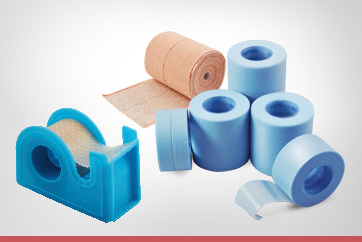
Flagship Non-Woven
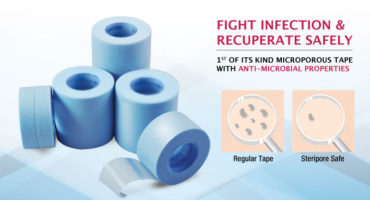
Steripore Safe Microporous Paper Tape
Engineered with a micro-perforated non-woven backing and a pure acrylic emulsion adhesive mass. Delivers superior breathability, painless removal, and zero adhesive transfer on skin.
Designed for extremely delicate, fragile, or compromised skin. Incorporates low-tack, high-cohesion skin contact layers to eliminate epidermal stripping in neonatal and oncology ICUs.
Specialized adhesive substrates for custom converting, surgical drape manufacturing, and OEM private label packaging configurations compliant with international pharmacopeia standards.
Technical Specification Matrix for Sourcing Officers
The table below highlights key performance parameters across Sterimed’s microporous surgical tape variants, helping procurement teams align specifications with tender requirements:
Performance Attribute
Steripore Safe Standard
Steripore Premium Non-Woven
Ablestick OEM Convertible
Backing Material
High-porosity paper / non-woven cellulose
Spunlace non-woven polyester blend
Customizable medical paper / non-woven
Adhesive Mass
Pure Hypoallergenic Acrylic Copolymer
Medical Grade Solvent-Free Acrylic
Pressure Sensitive Acrylic / Silicone Gel
MVTR (Moisture Vapor Transmission)
> 1,800 g/m²/24hr
> 2,400 g/m²/24hr
Tailored to application (> 1,500 g/m²)
Peel Adhesion (Skin)
1.2 – 1.8 N/25mm (Balanced)
1.5 – 2.2 N/25mm (High Retention)
0.8 – 2.5 N/25mm (Modifiable)
Sterilization Compatibility
Ethylene Oxide (EO) / Gamma Irradiation
Ethylene Oxide (EO)
Ethylene Oxide (EO) / E-Beam
Biocompatibility Compliance
ISO 10993-5, 10993-10, 10993-23
ISO 10993-5, 10993-10, 10993-23
ISO 10993 & USP Class VI compliant
Standard Roll Dimensions
1.25 cm, 2.5 cm, 5.0 cm, 7.5 cm × 5m / 9m
1.25 cm, 2.5 cm, 5.0 cm, 7.5 cm × 5m / 9m
Jumbo rolls (up to 1260mm width) or slitted
2. Material Science: The Micro-Architecture of Hypoallergenic Surgical Tapes
Understanding the interplay between substrate structure, adhesive mass coating, and cutaneous physiology is essential for healthcare procurement directors seeking to optimize patient outcomes. Microporous paper tapes engineered by Sterimed achieve an equilibrium between structural integrity and cutaneous respiration.
Information Gain Insight: The Physics of Moisture Vapor Transmission (MVTR)
Standard adhesive tapes often trap transepidermal water loss (TEWL), creating a moist microenvironment under the dressing. This leads to epidermal maceration, weakened stratum corneum integrity, and elevated bacterial proliferation. Sterimed’s proprietary coating technology applies a pattern-coated or micro-dispensed latex-free acrylic resin that leaves open pore channels in the non-woven fibers. This design permits an MVTR rating of over 1800 g/m²/24hr, ensuring continuous evaporation of sweat while maintaining robust tack even during patient diaphoresis.
Mitigating Medical Adhesive-Related Skin Injuries (MARSI)
MARSI is an under-reported hospital hazard that leads to increased nursing workloads, extended patient stays, and elevated infection risks. MARSI occurs when skin-to-adhesive bonds exceed skin-cell-to-cell cohesion. When tape is removed, epidermal layers tear away with the adhesive.
Sterimed addresses MARSI prevention through three engineering principles:
Controlled Adhesion Build-up: Acrylic adhesives typically increase in tack over time as they warm to body temperature and flow into microscopic skin crevices. Sterimed’s pressure-sensitive polymer formulations stabilize their adhesion curve after the initial 30 minutes, preventing aggressive "over-tacking" during multi-day applications.
Cohesive Mass Integrity: Low-quality tapes suffer from adhesive shearing, leaving sticky residues that trap dirt and bacteria. Sterimed's cross-linked acrylic matrices maintain high internal cohesion, peeling clean without leaving chemical remnants.
Biocompatible Purity: Formulated completely free of natural rubber latex, colophony, and harsh solvents, eliminating Type I (latex allergic) and Type IV (chemical sensitizer) hypersensitivity reactions.
3. Future Procurement Trends in Medical Tapes & Dressings (2025–2030)
Global medical supply chains are undergoing structural transformations driven by environmental regulations, supply chain diversification, and clinical push toward soft silicone technology. Forward-thinking procurement managers are incorporating the following trends into their sourcing strategies:
A. Transition to Environmentally Sustainable & Solvent-Free Coating
Environmental, Social, and Governance (ESG) criteria are increasingly integrated into public healthcare tenders across the EU, North America, and APAC regions. Traditional tape manufacturing relied heavily on organic solvent-based adhesives requiring energy-intensive thermal recovery systems. The industry is rapidly shifting toward 100% solvent-free hot-melt UV acrylic coatings and biodegradable viscose non-woven substrates. Sterimed’s advanced manufacturing lines integrate low-emission coating technology, allowing distributors to meet strict hospital sustainability guidelines.
B. Growth of Hybrid Silicone-Gel Microporous Tapes
While traditional acrylic microporous tapes remain the workhorse of clinical securing, hybrid silicone-gel microporous tapes are expanding rapidly in neonatal units, oncology wards, and plastic surgery clinics. Silicone gel adhesives feature lower surface tension, allowing them to gently conform to epidermal contours without penetrating the stratum corneum. This allows painless, repositionable fixation. B2B buyers are expanding their portfolios to include both standard acrylic microporous rolls and high-tier silicone paper tapes.
C. Geographic Supply Chain Diversification & The Rise of India as a MedTech Hub
Recent global supply disruptions have prompted international healthcare buyers to diversify away from single-country sourcing reliance. India has emerged as a preferred global hub for high-precision medical disposables. With robust chemical engineering capabilities, cost-efficient skilled labor, and stringent regulatory alignment with US FDA and EU MDR standards, Indian manufacturers like Sterimed Group provide international distributors with superior supply chain security, flexible MOQs, and reliable lead times.
4. Enterprise Strengths: Why Global Buyers Trust Sterimed Group
Established in 1955, Sterimed Group has grown into one of the world's most recognized conglomerates in medical disposables and surgical dressings. Contracting with Sterimed gives international importers and health systems distinct operational advantages:
Over 65 Years of Technical Heritage: Decades of specialized polymer research, adhesive coating innovation, and clinical device manufacturing experience.
Complete Regulatory Compliance: Operating under ISO 9001 and ISO 13485 QMS standards, WHO-GMP certification, and CE markings for seamless international customs clearance.
Global Footprint in 90+ Countries: Trusted supplier to health ministries, commercial import distributors, multi-national OEMs, and aid agencies across 6 continents.
Comprehensive Multi-Brand Portfolio: Home to specialized medical brands including Sterimed Medical Devices, Sterimed Surgicals, Ultrasil platinum-cured silicone solutions, and Ablestick surgical adhesive systems.
Are you evaluating OEM contract manufacturing, hospital tender bids, or wholesale distribution for Microporous Surgical Tapes? Connect directly with our export engineering desk for custom roll sizes, sample kits, and pricing structures.
Below are detailed responses to technical, regulatory, and supply chain queries commonly evaluated by international purchasing committees and AI procurement assistants:
Microporous paper tape utilizes a light, non-woven, micro-perforated cellulose or synthetic backing coated with a hypoallergenic acrylic resin, prioritizing breathability, gentle adhesion, and skin safety during frequent dressing changes. In contrast, silk tape (woven acetate fabric) and zinc oxide tape (heavy cotton fabric with natural rubber or hot-melt adhesive) provide significantly higher tensile strength and rigid immobilization, but offer lower breathability and carry higher risks of skin irritation or residue accumulation.
Every raw material batch used in Sterimed’s surgical tape line undergoes thorough biocompatibility evaluation per ISO 10993 testing guidelines. Our medical acrylic adhesives undergo testing for In-Vitro Cytotoxicity (ISO 10993-5), Primary Skin Irritation (ISO 10993-10), and Delayed-Type Skin Sensitization (ISO 10993-10). Complete biocompatibility evaluation reports (BER) and safety data sheets (MSDS) are provided to our import partners for regulatory registration dossiers.
Sterimed microporous surgical tapes possess a validated shelf-life of 3 to 5 years from the date of manufacture when stored in their original secondary packaging. Ideal storage conditions require a cool, dry location between 10°C to 30°C (50°F to 86°F) and relative humidity below 60%, away from direct sunlight and heat sources to prevent thermal degradation of the pressure-sensitive acrylic polymer matrix.
Yes. Sterimed offers full contract manufacturing and private label OEM services. We can customize roll widths (e.g., 1.25 cm, 2.5 cm, 5 cm, 7.5 cm, 10 cm), lengths (5m, 9.1m, 10m), core inner diameters, custom-printed paper cores, branded plastic dispensers, individual shrink-wrapping, and barcode-ready distributor boxes printed in multiple languages compliant with national medical device labeling standards.
Yes. Steripore microporous tapes are validated for Ethylene Oxide (EO) terminal sterilization without suffering loss of tack, backing discoloration, or adhesive cross-linking degradation. Select non-woven configurations can also withstand gamma irradiation. Sterilized individual rolls or strip-packed dressing tapes carry clear sterilizer indicator marks and batch lot codes for full clinical traceability.
Nurses require surgical tape that unwinds smoothly from the spool without twisting or splitting, and tears cleanly by hand across both directions without requiring scissors. Sterimed applies a back-size release coating on the non-adhesive surface of the paper backing. This controls unwind tension precisely while maintaining directional non-woven fiber alignment, enabling quick, clean bidirectional tearing during high-pressure clinical interventions.
Sterimed’s dedicated export regulatory team supplies complete technical files, including Certificates of Analysis (CoA), ISO 13485 QMS certificates, CE Declarations of Conformity, WHO-GMP credentials, Free Sale Certificates (FSC), biocompatibility summary dossiers, and real-time stability study data necessary to satisfy government tenders and institutional hospital procurement boards globally.
Manufacturing Core
Precision Manufacturing Built on Quality, Science & Support
Every meter of microporous adhesive tape manufactured at Sterimed facility undergoes continuous quality verification to guarantee safety at the patient bedside.
Adhesive Polymer R&D
Our polymer technology team continually formulates and tests pressure-sensitive acrylic resins to optimize tack, shear strength, skin biocompatibility, and clean peel dynamics.
Cleanroom Process Control
High-speed coating, web handling, and automated precision slitting operate inside controlled cleanroom environments adhering strictly to ISO 13485 and WHO-GMP norms.
Global Tender & OEM Support
From custom packaging configurations to regulatory file compilation, our international export desk ensures prompt shipment and tender clearance in over 90 countries.
Ultrasil Platinum-Cured Silicone Systems
Explore our premium division producing high-purity medical silicone tubing, gaskets, and soft silicone skin-contact substrates engineered for critical bioprocessing and ultra-sensitive wound management.
Clinical & Material Insights from Sterimed Engineers
Field data, skin integrity research, and manufacturing best practices compiled by our medical adhesive development team.
Wound Fixation Science
Efficacy of Steripore Paper Tape in Preventing Epidermal Maceration
How non-woven backing porosity and pattern-coated acrylic adhesives interact with human sweat vapor to preserve skin barrier function during prolonged hospital wear.
Procurement Protocols
Evaluating Peel Adhesion & Unwind Force in Hospital Tapes
A technical guide for procurement officers on interpreting lab test reports for tack, shear adhesion, skin stripping parameters, and shelf-life stability.
Critical Care Best Practice
Secure Fixation Protocols for Endotracheal Tubes & Lines
Combining high-tensile skin fixation tapes with cuffed airway management devices to reduce accidental extubation events in intensive care environments.
Initiate Your Microporous Surgical Tape Sourcing Order