ISO 9001 & ISO 13485 Certified WHO-GMP CE Marked Manufacturing in India since 1955

Blog

2026 How to Choose the Right Endotracheal Tube?

2026 How to Choose the Right Endotracheal Tube?

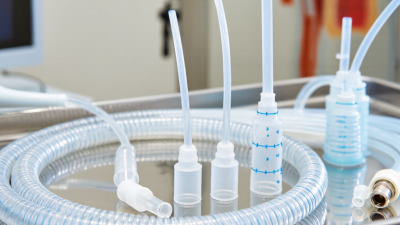
Choosing an Endotracheal Tube in 2026 requires more than selecting a familiar size. Airway anatomy, procedure length, ventilation needs, and patient vulnerability all influence the decision. A small pediatric airway differs sharply from an adult trauma airway. So does a swollen airway after surgery. Clinicians must balance passage through the glottis, effective ventilation, aspiration risk, and potential mucosal injury. The “largest tube possible” approach is not always safest. It may deserve reconsideration. This guide examines internal diameter, outer diameter, cuff design, tube length, material, and available depth markings. It also considers reinforced, microlaryngeal, subglottic-suction, and specialized tubes. A cuff that seals at the lowest effective pressure can support ventilation while limiting tracheal compression. Cuff pressure still needs measurement, not guesswork. Patient position can change tube depth. Facial structure, neck mobility, and planned surgery can change access. These details matter. Reliable selection combines bedside experience with current peer-reviewed airway guidance, manufacturer instructions, and local protocols. Video laryngoscopy may improve visualization, but it does not remove the need for backup planning. Tube choice should be documented, checked, and reassessed after placement. Chest movement, waveform capnography, breath sounds, and cuff pressure provide practical confirmation. No single design fits every patient. Even experienced teams can overlook a small detail. This article highlights those decisions, explains their trade-offs, and identifies areas where clinical judgment remains necessary.
Read more »
Amelia By:Amelia - September 17, 2026
How to Choose Microporous Surgical Tape in 2026?

How to Choose Microporous Surgical Tape in 2026?

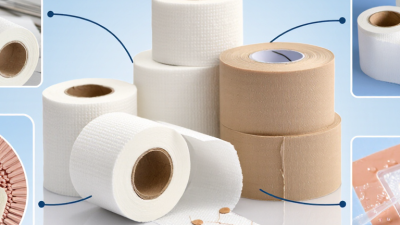
Choosing Microporous Surgical Tape in 2026 requires more than comparing prices or adhesive strength. The right tape should secure dressings while respecting fragile skin, moisture, movement, and patient comfort. A practical evaluation begins with the patient’s skin condition. Elderly skin may tear under excessive tension. Sweaty skin may loosen an otherwise reliable adhesive. Small details matter, including edge lift, roll width, residue, and painless removal. Market evidence shows why careful selection matters. Fortune Business Insights valued the global medical tapes market at approximately USD 7.1 billion in 2023 and projects continued growth through 2032. Grand View Research also identifies healthcare demand, wound management, and advanced adhesive technologies as important market drivers. However, estimates differ between reports. That difference deserves attention, not dismissal. Market size does not prove clinical suitability. Wound-care specialist Dr. Mikel Gray has emphasized, “There is no such thing as the best dressing, only the best dressing for a particular wound.” The same principle applies to Microporous Surgical Tape. A breathable paper tape may suit light dressings and frequent inspection, while a stronger option may better support tubing or securement. Clinicians should review peel adhesion, shear resistance, breathability, latex status, sterilization compatibility, and manufacturer testing. Product labels are useful, but real-world performance can vary with skin oils, humidity, and application technique. Sometimes, the most expensive tape is not the safest choice. A short skin test may reveal more than a sales brochure.
Read more »
Elowen By:Elowen - September 17, 2026
Top Foley Balloon Catheter Suppliers for Global Buyers

Top Foley Balloon Catheter Suppliers for Global Buyers

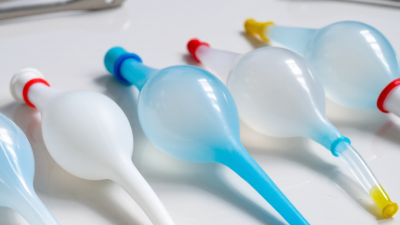
Choosing reliable Foley Balloon Catheter suppliers requires more than comparing prices or catalog sizes. Global buyers must assess material quality, balloon integrity, drainage performance, sterilization controls, and documentation. A catheter may look identical on a product page, yet small differences can affect insertion comfort, leakage risk, and clinical handling. The CDC identifies catheter-associated urinary tract infection as one of the most common healthcare-associated infections. Its guideline also stresses appropriate catheter use, aseptic insertion, and prompt removal. AHRQ reports that urinary catheters are used in approximately 15% to 25% of hospitalized patients, showing the importance of consistent supply and clinical reliability. ISO 20696:2018 provides relevant requirements for sterile, single-use urinary catheters, although compliance alone does not guarantee every supplier performs equally. This guide reviews leading Foley Balloon Catheter suppliers for hospitals, distributors, and medical procurement teams. It considers manufacturing experience, available French and Nelaton tip options, latex or silicone materials, balloon volumes, packaging, traceability, and export support. Supplier claims should be checked against certificates, audit records, sample testing, and post-market feedback. No ranking is perfect. Regional regulations, patient needs, and purchasing volumes can change the result. Buyers should also confirm registration requirements in their target markets, including applicable FDA, CE, UKCA, or local authority expectations. A dependable supplier delivers more than cartons of catheters; it provides stable specifications, responsive communication, and evidence that survives careful review.
Read more »

Elowen By:Elowen - September 17, 2026