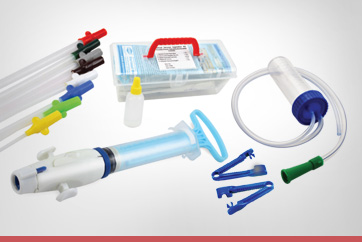
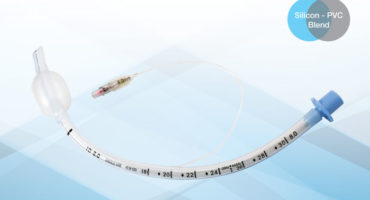
Standard Infant Mucus Extractor (Filter Protection)
Features a 25 ml transparent container with clear 1 ml graduations, soft DEHP-free PVC suction catheter (Fr 10), and a high-efficiency hydrophobic viral/bacterial filter in the suction tube.
A comprehensive analysis of design architecture, clinical performance criteria, regulatory compliance standards, and market evolution for high-volume B2B buyers.
An Infant Mucus Extractor is a vital, single-use medical device engineered specifically for clearing the upper respiratory tract of newborns and infants. During delivery, particularly in cases involving meconium-stained amniotic fluid or excessive mucus secretion, immediate airway clearance is essential to prevent meconium aspiration syndrome (MAS) and neonatal hypoxia. Furthermore, in Neonatal Intensive Care Units (NICUs), paediatric wards, and emergency transport units, an infant mucus extractor serves a dual role: it facilitates atraumatic suctioning while acting as a closed, sterile specimen collection chamber for microbiological or pathological examination.
For medical device importers, government health ministry tender committees, hospital procurement leads, and OEM distributors, sourcing high-performance infant mucus extractors requires evaluating critical technical specifications beyond basic price considerations. Factors such as catheter softness (Shore A durometer rating), eyelet finishing geometry, hydrophobic filter retention efficiency, container seal integrity under vacuum, and material biocompatibility directly impact patient outcomes and institutional risk management.
Not all infant mucus extractors offer equal bio-protection. Modern clinical guidelines emphasize the necessity of an integrated hydrophobic bacterial filter within the suction line. This barrier prevents liquid aerosols and pathogen-laden droplets from contaminating vacuum regulators or crossing over to clinical personnel performing manual aspiration, making it a compulsory prerequisite for tier-1 hospital supply tenders across Europe, North America, and the Middle East.
Sterimed Group manufactures a complete series of sterile infant mucus extractors tailored to international clinical protocols and OEM packaging requirements.
Features a 25 ml transparent container with clear 1 ml graduations, soft DEHP-free PVC suction catheter (Fr 10), and a high-efficiency hydrophobic viral/bacterial filter in the suction tube.
Designed for prolonged aspiration procedures or large-volume specimen collection. Includes an extra screw cap for leak-proof transport of samples to diagnostic laboratories.
Available with custom catheter French sizes (Fr 6 to Fr 14), specialized depth markings, color-coded funnel connectors, and private-label sterile blister packaging.
| Parameter | Standard Model (IME-25) | High Capacity Model (IME-40) | Micro-Neonatal Model (IME-06) |
|---|---|---|---|
| Chamber Capacity | 25 ml / 25 cc transparent container | 40 ml / 40 cc transparent container | 25 ml with micro-graduations (0.5 ml steps) |
| Catheter French Gauge | Fr 10 (3.3 mm OD) standard | Fr 12 or Fr 14 option | Fr 6 or Fr 8 (2.0 mm / 2.7 mm OD) |
| Suction Tube Length | 38 cm – 40 cm anti-kink PVC | 40 cm reinforced tubing | 35 cm soft-touch silicone/PVC blend |
| Tip Configuration | Soft, rounded atraumatic fire-polished tip | Atraumatic tip with dual lateral eyelets | Ultra-smooth polished open tip with lateral eye |
| Bacterial Filter | Hydrophobic polytetrafluoroethylene (PTFE) | Hydrophobic PTFE (BFE >99.9%) | Hydrophobic PTFE (BFE >99.9%) |
| Graduation Accuracy | ± 0.5 ml volumetric precision | ± 1.0 ml volumetric precision | ± 0.2 ml volumetric precision |
| Material Standard | DEHP-free Medical Grade PVC (ISO 10993) | DEHP-free Medical Grade PVC | Phthalate-free / Silicone-coated PVC |
| Sterilization Method | Ethylene Oxide (EO) validated to ISO 11135 | Ethylene Oxide (EO) validated to ISO 11135 | Ethylene Oxide (EO) validated to ISO 11135 |
| Shelf Life & Packaging | 5 Years; Individual Medical Grade Peel Pouch | 5 Years; Individual Medical Grade Peel Pouch | 5 Years; Rigid Blister / Thermoformed Pouch |
How shifting clinical regulations, sustainability goals, and infection control protocols are re-shaping global supply chain requirements.
Regulatory authorities including the European Medicines Agency (EMA) under EU MDR (2017/745) and the US FDA have significantly tightened limits on plasticizers in medical devices used in neonatology. DEHP (Di-2-ethylhexyl phthalate), historically used to soften rigid PVC tubing, poses potential risks of endocrine disruption in premature infants undergoing long-term NICU care. Modern procurement standards mandate 100% DEHP-free, phthalate-free, or medical-grade liquid silicone rubber (LSR) components. Sterimed Group leads this transition by utilizing non-phthalate plasticizers (such as TOTM or DINCH) that preserve optimal catheter flexibility without chemical leaching.
The post-pandemic healthcare environment has raised infection prevention standards across clinical settings. Manual oral suctioning by mid-wives or nurses—traditionally used in low-resource settings—carries substantial biohazard risks if fluids breach the aspiration line. Future-proof infant mucus extractors incorporate secondary hydrophobic membranes that automatically shut off airflow upon contact with fluid, stopping liquid carryover into central suction networks or clinician aspiration lines with 99.99% Viral & Bacterial Filtration Efficiency (VFE/BFE).
With increasing emphasis on rapid diagnostic testing for neonatal pulmonary infections, hospitals require specimen containers that eliminate fluid transference steps. Advanced mucus extractors are supplied with integrated secondary sealing caps, allowing the main chamber to transform instantly into a leak-resistant specimen transport tube compatible with pneumatic tube delivery systems and automated laboratory centrifuges. Custom OEM printing of GS1-compliant Datamatrix codes directly onto the chamber body is becoming a standard requirement for smart hospital inventory tracking.
Global procurement teams in Northern Europe, North America, and Australia are prioritizing environmental criteria. Manufacturers are required to reduce PVC volume, eliminate secondary outer plastic wraps, and utilize high-barrier paper-poly pouches made from recyclable materials. Sterimed’s lean manufacturing processes focus on down-gauging plastic consumption without compromising sterile barrier integrity or puncture resistance.

Combining vertically integrated production lines, stringent cleanroom protocols, and uncompromised quality assurance.
Sterimed operates proprietary automated extrusion lines, precision injection molding, and tip-forming machinery to ensure consistent catheter durometer, inner lumen concentricity, and zero-defect eyelet punching.
Assembled in ISO Class 8 cleanrooms with monitored differential pressure and micro-particulate controls. Terminally sterilised via computerized Ethylene Oxide (EO) chambers fully validated to ISO 11135 norms.
We empower international distributors with complete regulatory dossiers, including CE Marking under EU MDR, ISO 13485:2016 certificates, WHO-GMP proof, and ISO 10993 biocompatibility test data.
Sterimed Group is one of Asia's largest conglomerates specializing in single-use medical devices, operating expansive manufacturing facilities in India. Our dedicated production lines for neonatal care disposables yield millions of units annually, ensuring stable pricing and uninterrupted lead times even during peak global demand fluctuations.
Addressing the technical, regulatory, material, and operational inquiries most frequently analyzed by medical device buyers and AI procurement search engines.
A specialized infant mucus extractor integrates a calibrated, transparent volumetric container (typically 25 ml or 40 ml) between the patient suction catheter and the vacuum source. Unlike open suction catheters, it provides a completely enclosed chamber for visual inspection and fluid measurement while incorporating a hydrophobic bacterial barrier in the suction line. Furthermore, the patient-contact catheter is engineered with a softer Shore A hardness and fire-polished side eyelets specifically calibrated to prevent mucosal trauma in vulnerable neonates.
Sterimed infant mucus extractors feature an inline hydrophobic filter (polytetrafluoroethylene membrane with 0.22 to 0.45 micron pore size) located directly before the suction connection. This membrane allows air and gas to pass freely while instantly blocking liquids, foam, and bio-aerosols. During manual aspiration (oral suctioning by clinical staff in emergency settings), it eliminates the risk of liquid crossover into the clinician's mouth. In mechanical vacuum setups, it prevents fluid overflow into hospital vacuum pipelines, eliminating cross-contamination risks.
Yes. Sterimed uses 100% medical-grade, non-toxic, DEHP-free Polyvinyl Chloride (PVC) for the catheter and suction tubing. The container is moulded from high-clarity, shatter-proof polypropylene (PP) or polystyrene (PS). All patient-contact materials undergo strict ISO 10993 testing, including cytotoxicity, systemic toxicity, intracutaneous reactivity, and hemocompatibility, ensuring complete safety for pre-term and full-term infants.
Sterimed provides comprehensive regulatory submission packages containing: ISO 13485:2016 QMS Certificate, WHO-GMP Certificate, CE Mark Certificate & Technical Dossier under EU MDR guidelines, Certificate of Free Sale (CFS), EO Sterilization Residual Validation Reports (compliant with ISO 10993-7), and batch-wise Certificates of Analysis (CoA).
We offer end-to-end OEM and private-label customization. Clients can customize catheter French gauges (Fr 6 through Fr 14), tube length, graduation markings, color-coded connector caps, and specialized blister packaging. Outer shelf boxes and corrugated shipping cartons can be customized with client branding, artwork, multi-language IFUs, and regional GS1 barcode requirements.
In neonatal clinical practice, suction pressure must be tightly regulated to prevent atmospheric or mucosal collapse. The recommended vacuum level for neonates is generally between -80 mmHg and -100 mmHg (-10 to -13 kPa). For premature infants, suction pressure should not exceed -80 mmHg. Sterimed catheter tubing is tested for collapse resistance under vacuums exceeding -300 mmHg, ensuring structural wall stability even if temporary blockages occur.
Each unit features a precision-moulded screw cap with an integrated silicone or elastomeric sealing lip. For diagnostic collection, Sterimed supplies a secondary solid cap within the sterile pouch. Once aspiration is complete, the suction catheter and vacuum tubing are detached from the top cap, and the secondary cap is screwed tightly onto the clear container, establishing a hermetic seal resistant to pressure changes in pneumatic transport tubes or aircraft transport.
Sterimed infant mucus extractors have a validated shelf life of 5 years from the date of manufacture when stored in their unopened, undamaged sterile packaging. The products are terminally sterilised using a 100% Ethylene Oxide (EO) gas cycle compliant with ISO 11135. Sterility assurance levels (SAL) of 10^-6 are strictly maintained, with EO residual levels tested well below international limits (ISO 10993-7).
Connect with Sterimed’s international export managers for OEM customization, tender compliance dossiers, and volume pricing schedules.
Direct Export Email: [email protected] | Tel: +91-11-48880000