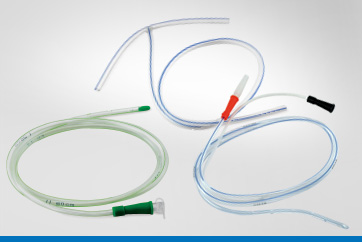
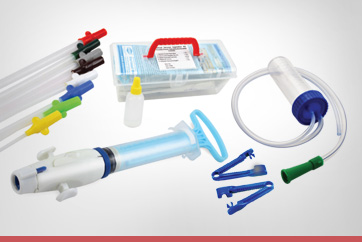
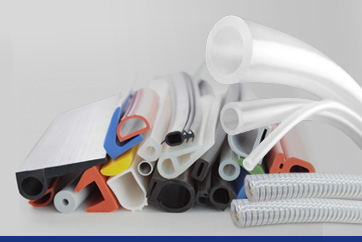
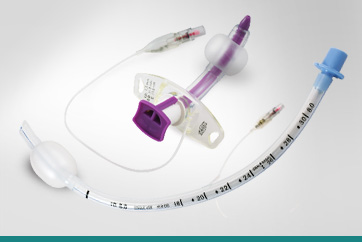
Smooth distal eyes, fully radiopaque lines, and bio-compatible non-toxic polymers designed specifically for critical enteral feeding in premature infants.
How Global Procurement Directors Evaluate Infant Feeding Tube Quality: ISO 13485, ENFit® Compliance, Material Safety, and Supply Chain Vulnerabilities
In modern Neonatal Intensive Care Units (NICU) and Paediatric Intensive Care Units (PICU), the Infant Feeding Tube serves as an indispensable life-support channel. Designed to deliver essential enteral nutrition, hydration, and medication to premature infants, low-birth-weight babies, or critically ill paediatric patients who lack the physiological ability to suck or swallow, these devices demand the absolute highest standard of manufacturing precision and material safety.
For global medical device distributors, hospital procurement boards, and ministry-of-health tender committees, sourcing high-grade infant feeding catheters requires balancing strict clinical safety mandates with regulatory compliance and long-term cost efficiency. In an era marked by evolving AI-driven search queries and stringent Google Search Quality Rater Guidelines (E-E-A-T: Experience, Expertise, Authoritativeness, and Trustworthiness), this technical dossier provides complete information gain regarding Infant Feeding Tube manufacturing specifications, material science advancements, future procurement trends, and global regulatory requirements.
At Sterimed Group, our infant feeding tubes are manufactured in controlled cleanroom environments (ISO Class 8 / Class 100,000) utilizing advanced automated extrusion and precision tip-forming technology. Designed to satisfy the rigorous demands of neonatologists, our paediatric enteral nutrition range offers maximum comfort, chemical stability, and physical reliability.
Information Gain: Anatomical Engineering Highlights
Atraumatic Distal Tip: Smoothly rounded, closed or open distal tip minimizes soft-tissue friction, oral/nasopharyngeal trauma, and gastric mucosal irritation during blindly guided bedside insertion.
Dual Lateral Eyes: Smooth, burr-free lateral eyes configured opposingly to optimize fluid flow rates and eliminate vacuum occlusion or tip-clogging during thick enteral formula administration.
Continuous Radiopaque Line: A high-density radio-opaque stripe co-extruded along the entire catheter shaft ensures ultra-clear placement confirmation under fluoroscopy and bedside X-ray, eliminating reliance on risky air-auscultation techniques.
Indelible Depth Markings: Precise, non-toxic graduations printed continuously from 5 cm to 40 cm enable clinicians to accurately monitor insertion depth and detect unwanted migration.
Color-Coded Luer & Funnel Hubs: Universal color coding aligned with international French size standards (Fr 4 to Fr 10) allows immediate visual identification by NICU nursing staff.
Recommended Technical Specifications Matrix for Healthcare Buyers
Selecting the appropriate infant feeding tube variant depends heavily on the intended clinical duration, patient weight, and administration technique. The technical matrix below outlines Sterimed’s core recommendations:
2. Future Global Procurement Trends in Paediatric Enteral Devices
Global procurement practices for neonatal feeding tubes are undergoing a dramatic structural transformation. Healthcare organizations and international distributors must navigate evolving clinical safety mandates, environmental sustainability requirements, and regulatory shifts. Key macro procurement trends include:
A. Mandatory Shift to ISO 80369-3 (ENFit®) Misconnection Prevention Standards
One of the most critical safety movements across North America, Europe, and Asia-Pacific is the widespread adoption of ISO 80369-3 compliant ENFit connectors. Traditional luer-lock connectors pose severe cross-connection risks where enteral feeding lines could be inadvertently connected to intravenous (IV) access ports, tracheostomy cuffs, or epidural lines with fatal consequences.
Procurement teams are increasingly mandating ISO 80369-3 standard compliance in tender requirements. Sterimed Group provides both classic flexible funnel connectors and dedicated ENFit enteral connectors to support global hospital transitions smoothly.
B. Elimination of Phthalates (DEHP) and Transition to PU & Silicone Materials
Regulatory bodies such as the US FDA and European Medicines Agency (EMA) under EU MDR (2017/745) have placed strict restrictions on the use of Di(2-ethylhexyl)phthalate (DEHP) in medical devices intended for vulnerable patient populations, particularly male neonates and pregnant women. DEHP is a plasticizer that can leach out of standard PVC catheters into lipophilic enteral feeds or human milk, potentially causing endocrine disruption and hepatotoxicity.
Consequently, global buying patterns show a massive surge toward 100% DEHP-Free PVC, Polyurethane (PU), and Platinum-Cured Medical Silicone tubes. While DEHP-free PVC remains ideal for short-term feeding (< 7 days), Polyurethane and Silicone are rapidly becoming the preferred materials for medium to long-term enteral nutrition (> 30 days) due to their superior biocompatibility and resistance to gastric acid degradation.
C. Vendor Consolidation & Geographically Resilient Supply Chains
Post-pandemic healthcare supply chain volatility highlighted the operational danger of relying single-source manufacturers or unpredictable regional hubs. Global hospital purchasing syndicates are restructuring vendor portfolios to partner directly with fully integrated Indian medical manufacturers like Sterimed Group, who possess internal extrusion, moulding, sterilization, and automated packaging capabilities under one unified QMS framework.
3. Future Development & Technological Trends in Infant Feeding Catheters
As neonatal care advances toward micro-preterm infant preservation, device manufacturers must continuously innovate. Emerging technological trends shaping the next generation of infant feeding tubes include:
Polymer Science
Thermally Softening Polymers
Next-generation Polyurethane (PU) formulations remain rigid at room temperature for easy insertion, but automatically soften upon exposure to body temperature inside the oesophagus, minimizing pressure necrosis and internal tissue trauma.
Infection Control
Antimicrobial & Hydrophilic Coatings
Advancements in surface chemistry involve applying hydrophilic polymer coatings that reduce friction coefficients by up to 90% when hydrated, alongside silver-ion or chlorhexidine impregnated walls to eliminate bacterial biofilm formation.
Digital Integration
Smart Placement & pH Sensor Tubes
Development of embedded optical pH sensors and electromagnetic tracking wires within micro-diameter feeding catheters allowing immediate, non-radiological confirmation of gastric vs duodenal placement directly at the NICU bedside.
4. B2B Procurement FAQ: Critical Questions Asked by Global Buyers
Below are technical answers to the most frequently searched AI and procurement queries submitted by healthcare importers, supply chain managers, and clinical evaluators regarding Infant Feeding Tubes:
For short-term enteral feeding (under 7 days), medical-grade DEHP-Free PVC is the most cost-effective and clinically proven option. It provides adequate stiffness for straightforward passage. For long-term placements (up to 30 days or more), Polyurethane (PU) or Platinum-Cured Silicone is recommended. PU allows for thinner wall construction with larger internal lumen flow rates without sacrificing tensile strength, while silicone offers maximum softness and physiological neutrality.
Sterimed utilizes high-purity medical-grade resin compounders utilizing non-phthalate plasticizers such as TOTM (Trioctyl Trimellitate) or DINCH. Every raw material batch undergoes ISO 10993 biocompatibility testing including cytotoxicity (ISO 10993-5), systemic toxicity (ISO 10993-11), and sensitization testing to guarantee absolute bio-safety for fragile neonates.
Sterimed Infant Feeding Tubes are terminally sterilized using validated Ethylene Oxide (EO) gas processes in strict compliance with ISO 11135 principles. Residual EO and Ethylene Chlorohydrin (ECH) levels are routinely verified via gas chromatography to remain far below ISO 10993-7 allowable limits, preventing mucous membrane toxicity.
Preterm infants have tiny oesophageal and gastric dimensions, making misplaced enteral tubes (e.g., in the respiratory tract or duodenum) potentially life-threatening. Sterimed co-extrudes a continuous, high-concentration Barium Sulfate radiopaque line into the catheter body, offering distinct high-contrast visibility on low-dose neonatal X-rays.
Sterimed offers full OEM/ODM manufacturing partnerships. Distributors can request custom tube lengths (e.g., 40cm, 50cm, 105cm), customized French size color hub choices, specific depth marking intervals, custom sterile blister/pouch packaging, multilingual instructions for use (IFU), and shelf-ready export master cartons.
Our dedicated regulatory affairs export team provides comprehensive technical dossiers (STED format), ISO 13485 certificates, CE Certificates under EU MDR, Free Sale Certificates (FSC), WHO-GMP clearance, batch release records, bio-compatibility reports, and real-time shelf-life stability test reports.
5. Why Leading Global Hospital Systems Partner with Sterimed Group
Founded in 1955, Sterimed Group stands as one of India’s largest, most respected manufacturers and global exporters of single-use medical disposables. For over seven decades, our brand legacy has been built upon uncompromising clinical quality, technological precision, and reliable global fulfillment.
65+ Years of Manufacturing Excellence: Decades of specialized polymer engineering experience in critical medical devices.
Export Network Spanning 90+ Countries: Trusted across Europe, Latin America, Middle East, Africa, and Asia-Pacific.
Vertically Integrated Facilities: In-house mold making, extrusion, cleanroom assembly, EO sterilization, and quality testing labs.
Full Regulatory Peace of Mind: Certified under ISO 9001, ISO 13485, WHO-GMP, and European CE Mark directives.
Comprehensive Group Portfolio: Sterimed Medical Devices, Sterimed Surgicals, Ultrasil silicone products, and Ablestick medical tapes.
Whether you are filling a national government tender, establishing a private-label hospital supply line, or upgrading your neonatal ICU consumable catalog, Sterimed delivers competitive factory-direct pricing backed by world-class regulatory assurance.
1955 - 202570 Years of Trust
Request Factory Direct Pricing & Technical Samples
Connect directly with our international export managers to receive detailed product specification sheets, sample packs, and wholesale quotation tiers for Infant Feeding Tubes.