Engineering Innovation
Future Technology & Development Trends in Tracheostomy Tube Manufacturing
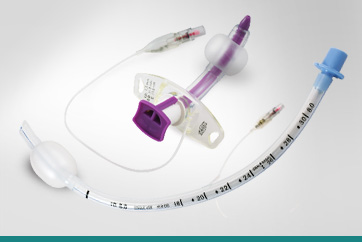
The field of critical care airway management is experiencing rapid technical transformation driven by clinical demands for reduced hospital-acquired infections, faster patient weaning, and enhanced tissue preservation. Key engineering trends shaping the development of next-generation tracheostomy tubes include:
1. Transition from Standard PVC to Thermosensitive DEHP-Free & Platinum-Cured Silicone
While traditional plasticized PVC remains widely used, clinical guidelines are increasingly advocating for non-phthalate (DEHP-free) thermosensitive formulations and 100% liquid silicone rubber (LSR). Sterimed's Ultrasil division utilizes high-purity platinum-cured silicone that maintains extreme structural flexibility, resists tissue adhesion, reduces encrustation of dried secretions, and minimizes local inflammatory response during long-term implantation (>30 days).
2. Advanced Subglottic Secretion Management (VAP Reduction)
Ventilator-Associated Pneumonia (VAP) remains a major cost driver and mortality risk in Intensive Care Units. Micro-aspiration of contaminated secretions accumulated above the cuff is the primary etiology of VAP. Modern tracheostomy tube architecture incorporates an integrated suction lumen extruded directly within the dorsal wall of the tube. This allows gentle, continuous, or timed intermittent subglottic evacuation without disturbing the primary airway seal.
3. Micro-Thin Polyurethane (PU) High-Volume Low-Pressure Cuffs
Conventional PVC cuffs, when inflated, form channels or micro-folds through which secretions trickle into the lower lung fields. The industry trend is moving toward ultra-thin (10–20 micron) polyurethane cuff materials. These micro-thin cuffs conform intimately to the irregular tracheal mucosa without micro-channel formation, maintaining a leak-proof seal at significantly reduced intra-cuff pressures (<20 cmH2O).
4. Antimicrobial and Bio-Film Resistant Surface Coatings
Bacterial colonization and bio-film formation on the inner shaft wall lead to airway lumen narrowing and elevated work-of-breathing. R&D efforts focus on hydrophilic polymer coatings and silver-nanoparticle/chlorhexidine impregnation that inhibit bacterial adhesion (such as Pseudomonas aeruginosa and Staphylococcus aureus), keeping the internal diameter clear and reducing the frequency of emergency tube replacements.