


Precision-engineered clinical catheters, trocars, and specialized enteral feeding systems manufactured in ISO 13485 and WHO-GMP certified facilities.
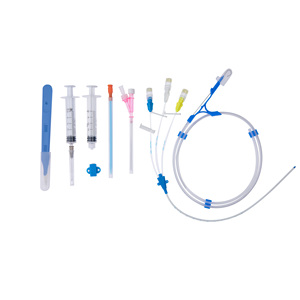
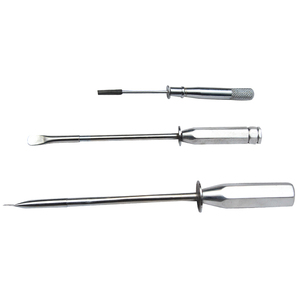
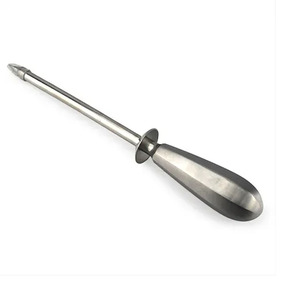
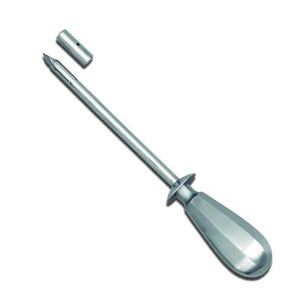
The global healthcare ecosystem is experiencing an unprecedented structural shift toward standardized, biocompatible, and patient-safe clinical disconnections. Enteral nutrition—delivered via nasogastric (NG), nasoenteric (NJ), and percutaneous endoscopic gastrostomy (PEG) tubes—remains a cornerstone of critical care, oncology management, pediatrics, and geriatric medicine. As clinical protocols demand higher biocompatibility and risk mitigation against misconnections, procurement professionals are re-evaluating their global supply chains.
China has evolved into the central powerhouse for global medical tubing manufacturing. Moving far beyond high-volume basic plastic extrusion, leading Chinese manufacturers now integrate advanced polymer physics, fully automated cleanroom dip-molding, laser-guided wall monitoring, and international compliance architectures (ENFit ISO 80369-3, EU MDR 2017/745, and US FDA 510(k)). For institutional importers, government healthcare procurement departments, and hospital supply chains, partnering with a premier Chinese feeding tube manufacturer provides significant competitive, financial, and technological advantages.
Understanding polymer dynamics is critical for B2B medical procurement officers when evaluating feeding tube specifications. The choice of raw material directly impacts patient comfort, chemical resistance to enteral formulas, insertion dynamics, and total cost of care.
| Material Parameter | Polyurethane (TPU) | Medical Silicone | Polyvinyl Chloride (PVC) |
|---|---|---|---|
| Indwelling Duration | Long-term (Up to 30–90 Days) | Long-term (Up to 30–180 Days) | Short-term (Max 7 Days) |
| Body Temp Softening | High (Softens rapidly inside tissue) | N/A (Consistently flexible) | Low (Stiffens, risks mucosal trauma) |
| Lumen Ratio / Flow Rate | Superior (Thin walls, large inner lumen) | Moderate (Thicker walls required) | Standard |
| Plasticizer / DEHP Risk | 100% DEHP-Free / Phthalate-Free | 100% DEHP-Free / Inert Silicone | Requires Specific Non-DEHP Resins |
| Kink Resistance | Exceptional (Elastic Memory) | High (Soft, flexible structure) | Moderate (Prone to collapse) |
| Cost Profile | Optimal ROI for ICU / Long-term | Premium Grade | Economy / Single-use basic |
Leading Chinese factories utilize medical-grade TPU sourced from top international chemical suppliers (such as Lubrizol or Covestro) to ensure consistent Shore hardness specs (typically Shore 80A to 85A for insertion, softening to Shore 70A post-placement). Furthermore, continuous Sentinel Line technology—embedding a high-density Barium Sulfate (BaSO4) radio-opaque line across 100% of the catheter's length—ensures instantaneous radiopaque positioning verification under standard fluoroscopy or X-ray imaging.
China's top feeding tube suppliers have invested heavily in automated extrusion and assembly infrastructure to meet stringent European and North American regulatory mandates. The core engineering highlights include:
Full implementation of standardized ENFit locks across all proximal ports to physically eliminate lethal misconnection hazards with IV lines, tracheostomy tubes, and epidural ports.
Precision thermo-formed closed bullet tips with polished lateral flow eyes engineered to prevent mucosal scraping during transnasal or oral passage.
Optional ultra-low-friction polymer coatings activated by water or saline solution, decreasing insertion resistance by over 70% and maximizing patient tolerance.
Encapsulated tungsten-weighted tips providing precise gravity-assisted migration into the duodenum or jejunum without requiring invasive surgical placement.
Multi-lumen versatility allowing simultaneous gastric decompression, jejunal feeding, and therapeutic medication administration through isolated channels.
State-of-the-art automated extruders maintaining inner and outer diameter tolerances within ±0.02mm, guaranteeing predictable flow rates and balloon integrity.
As global medical distribution channels face evolving regulatory mandates and pricing pressures, procurement directors must align with suppliers capable of staying ahead of industry trends. The key future sourcing drivers for medical catheters include:
Legacy Luer slip and Luer lock connectors are rapidly being phased out worldwide for enteral applications. Importers must transition entirely to ENFit-compliant systems to pass customs inspections and meet hospital tender mandates in the EU, USA, Japan, and the Middle East. Top Chinese manufacturers supply pre-fitted ENFit connectors or dual transition adapters to ease legacy inventory transition.
To reduce exposure to ionising radiation from repeated X-rays, next-generation feeding tubes are incorporating magnetic tracing elements and micro-pH optical sensors. These smart features allow clinicians to confirm gastric versus intestinal placement right at the patient's bedside within seconds.
With environmental, social, and governance (ESG) standards gaining traction in hospital purchasing committees, manufacturers are developing bio-based medical Polyurethane formulations and recyclable non-woven secondary packaging. Chinese facilities adhering to ISO 14001 environmental management lead this transition.
Global brands increasingly rely on Chinese ODM hubs for custom tube printing (Fr size color-coding, depth markings every centimeter from 5cm to 75cm), customized pouch branding, and specific kit configurations (including stylets, lubrication jelly, syringe adapters, and securement devices).
Building on over six decades of medical manufacturing heritage (established since 1955), our manufacturing operations embody the rigorous standards required by global hospital networks. By unifying advanced polymer science with stringent Quality Management Systems (QMS), we offer an audited supply chain designed for seamless regulatory approvals.
Direct technical answers to common queries raised by medical device buyers, regulatory managers, and healthcare distributors.
Our production facilities operate under audited ISO 9001 and ISO 13485 Quality Management Systems. Products carry CE marking under European Medical Device regulations and comply with WHO-GMP standards for sterile medical disposables.
Yes. We offer complete ENFit-compliant proximal connector configurations, including male and female ENFit locks, syringe samplers, and transitional step-down adapters for legacy hospital equipment compatibility.
We supply ultra-soft medical Polyurethane (TPU) and 100% Medical Grade Silicone. Pediatric sizes (Fr 4 to Fr 10) feature softened durometer profiles and tungsten-weighted tips, while adult sizes (Fr 12 to Fr 24) offer dual lumen and decompressing designs.
A continuous 20% to 30% Barium Sulfate (BaSO4) line is co-extruded along the entire catheter length. Every lot is subjected to X-ray fluoroscopy density checks to ensure full clarity under clinical imaging.
All single-use feeding tubes are terminally sterilized using Ethylene Oxide (EO). When stored in sealed Tyvek/Poly pouches in standard warehouse environments, products maintain a validated 5-year shelf life.
Yes. We specialize in private-label OEM programmes, including custom tube graduations, multilingual IFU creation, private outer packaging, and complete procedure kit assembly (catheter, stylet, syringe, and dressing tape).
Request comprehensive OEM catalogues, material safety data sheets, regulatory dossiers, or sample evaluation sets for your market.
Contact Us