


Direct factory supply featuring medical-grade carboxymethylcellulose (CMC) formulations, surgical lumen devices, and advanced drainage solutions engineered to ISO 13485 standards.
In the evolving global landscape of advanced wound management, hydrocolloid dressings represent a cornerstone technology for moist wound healing. As hospital procurement boards, regional medical device distributors, and private label OEMs seek reliable, high-capacity, and cost-effective suppliers, China has emerged as an authoritative hub for medical-grade hydrocolloid formulation, cleanroom extrusion, and sterile barrier packaging.
Hydrocolloid technology relies on a sophisticated matrix of sodium carboxymethylcellulose (CMC) particles suspended within a hydrophobic adhesive elastomer. Upon contact with wound exudate, the hydrophilic CMC particles absorb fluid and swell into a cohesive, non-adherent gel gel layer. This mechanism maintains an optimal micro-environment—facilitating autolytic debridement, angiogenesis, and tissue re-epithelialization while protecting nerve endings to alleviate patient pain.
This technical white paper serves as an authoritative procurement guide for medical device sourcing professionals. It addresses critical selection criteria including bio-compatibility standards (ISO 10993), Moisture Vapor Transmission Rate (MVTR) balancing, adhesive mass stability, sterile barrier validation (ISO 11135 / ISO 11607), and OEM integration capabilities across clinical specialties.
Sourcing hydrocolloid dressings from premier Chinese suppliers offers access to vertically integrated manufacturing—from raw polymer synthesis and controlled extrusion to automated die-cutting and ethylene oxide (EO) terminal sterilization. This ensures strict lot-to-lot consistency and regulatory alignment under EU MDR 2017/745 and US FDA 510(k) requirements.
To evaluate potential OEM/ODM suppliers, technical procurement officers must evaluate the underlying polymer formulations. A premium-grade hydrocolloid dressing is composed of a tri-laminate structure engineered for precise fluid management:
Total Fluid Handling Capacity (FHC) is the sum of liquid absorption by the hydrocolloid matrix and moisture vapor transmission through the backing film (FHC = Absorption + MVTR). High-performance hydrocolloid dressings balance these parameters to prevent both wound desiccation and tissue maceration.
| Dressing Type | Matrix Thickness | Absorption Capacity (24h) | MVTR (g/m²/24h) | Primary Clinical Indication |
|---|---|---|---|---|
| Ultra-Thin Hydrocolloid | 0.15mm – 0.30mm | ≥ 1.5 g/g | ≥ 1,200 | Post-operative incisions, superficial abrasion, acne spots |
| Standard Bordered Hydrocolloid | 0.50mm – 0.80mm | ≥ 4.5 g/g | ≥ 800 | Stage I-II Pressure Injuries, donor sites, partial-thickness burns |
| Sacral Contour Hydrocolloid | 0.80mm – 1.20mm | ≥ 6.0 g/g | ≥ 650 | High-friction anatomical zones, sacral ulcers, exudative wounds |
| Foam-Reinforced Hydrocolloid | 1.50mm – 2.50mm | ≥ 8.5 g/g | ≥ 1,500 | Venous leg ulcers, heavily exudative chronic wounds |
In modern surgical and critical care, hydrocolloid dressings do not function in isolation. Leading Chinese manufacturers design complete medical disposable ecosystems where hydrocolloid skin barriers interact seamlessly with invasive catheters, trocars, and drainage systems to prevent Medical Adhesive-Related Skin Injury (MARSI) and Surgical Site Infections (SSI).
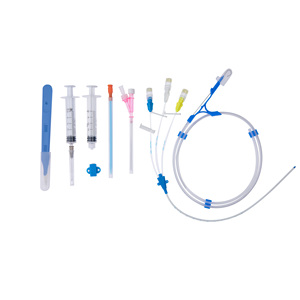
Integrating hydrocolloid securement pads with Central Venous Catheter Sets mitigates catheter movement, reduces skin breakdown around insertion sites, and absorbs micro-exudate to inhibit bacterial colonization.
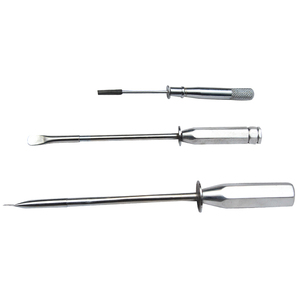
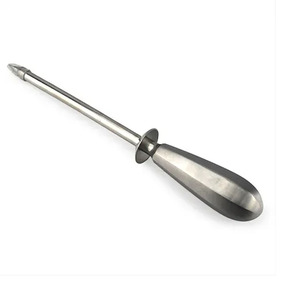
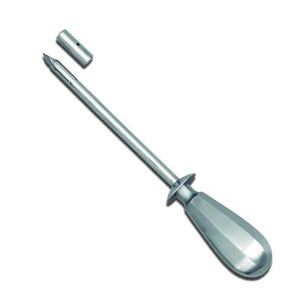
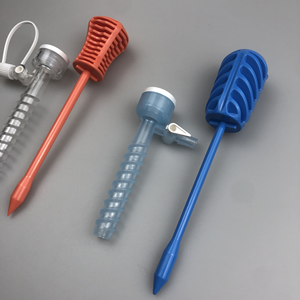
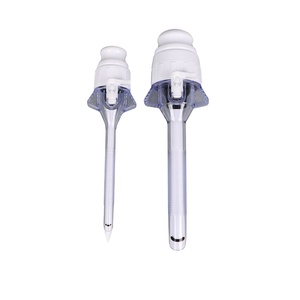
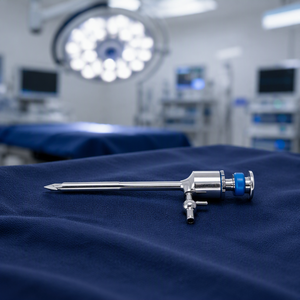
Post-trocar insertion sites require specialized sealing. Utilizing hydrocolloid barrier disks around Bladeless & Stainless Steel Trocars provides immediate moisture control and seals wound edges against port-site leaks.
For Thoracic Trocar Catheters and ENT Endoscopic Tubing, hydrocolloid flange backings distribute tension evenly across fragile skin while absorbing localized body fluids.
When shortlisting Chinese suppliers and exporters for contract manufacturing or brand distribution, procurement teams should evaluate manufacturers using Google’s E-E-A-T (Experience, Expertise, Authoritativeness, Trustworthiness) criteria transposed to medical manufacturing:
Look for enterprises with decades of operational history (e.g., heritage dating back to 1955 or 65+ combined years in medical polymer processing). Established factories demonstrate deep mastery in optimizing adhesive viscosity, controlling phase separation in CMC mixing, and minimizing batch-to-batch variation.
A top-tier supplier operates dedicated analytical and microbiological testing labs on-site. Essential in-house testing capabilities include:
Exporting to regulated markets (EU, USA, LATAM, Middle East) demands robust quality certification. Top suppliers maintain verified documentation including:
Full lot-level traceability from raw material resin, chemical additives, backing films down to finished sterile pouch packing is mandatory. Every unit box should feature clear GS1 UDI (Unique Device Identification) barcoding and lot-specific Certificates of Analysis (CoA).
The global wound care sector is shifting toward functionalized, smart dressings. Chinese manufacturers are investing heavily in Next-Gen Hydrocolloid R&D. Procurement leaders should align with suppliers advancing the following technologies:
Integration of natural antimicrobial agents (such as Medical-Grade Manuka Honey or Silver Nanoparticles) and micro-encapsulated essential oils into the hydrocolloid matrix to manage bioburden in chronic wounds without triggering antibiotic resistance.
Incorporation of non-toxic, colorimetric sensors into the hydrocolloid layer that alter visual appearance in response to shifts in wound pH (indicating bacterial infection) or saturation thresholds. This alerts nursing staff precisely when dressing changes are necessary, reducing unnecessary dressing disruption and labor costs.
Replacing petroleum-derived polyisobutylene elastomers with bio-based, bio-degradable polymer bases, coupled with recyclable solvent-free hot-melt coating technologies to significantly lower the carbon footprint of single-use medical disposables.
Over six decades of engineering leadership, delivering uncompromised quality, global compliance, and customizable OEM/ODM solutions to over 90 countries worldwide.
Our state-of-the-art manufacturing infrastructure operates standardized ISO Class 8 cleanrooms equipped with continuous particulate monitoring, high-precision extrusion machinery, and automated high-speed die-cutting lines.
We maintain ready-to-submit technical documentation for worldwide regulatory registrations, including ISO 13485 QMS, CE marks, WHO-GMP certification, and full ISO 10993 biocompatibility testing packages.
From tailor-made hydrocolloid matrix thickness and shape customized die-cuts to multi-lingual sterile pouch packaging and export carton branding, we provide seamless turn-key private label execution.
Essential operational and technical answers for hospital purchasing departments, medical importers, and international tenders.