


Explore our certified medical-grade disposables manufactured under stringent ISO 13485 and WHO-GMP standards for critical clinical, veterinary, and endoscopic procedures.
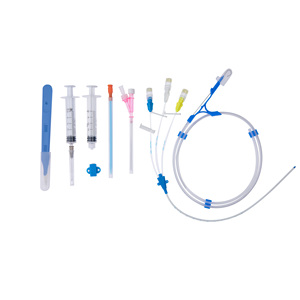
Radiopaque polyurethane multi-lumen catheter engineered for precise hemodynamic monitoring and central fluid administration in ICU settings.
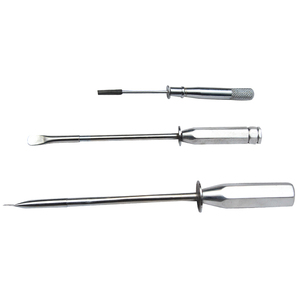
German-grade 316L stainless steel veterinary trocar cannula set featuring ultra-sharp puncture tips and ergonomic grip handling.
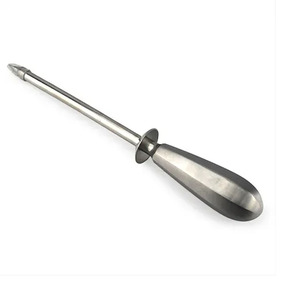
Custom OEM surgical trocar cannula designed for large animal veterinary procedures with high puncture efficiency and durability.
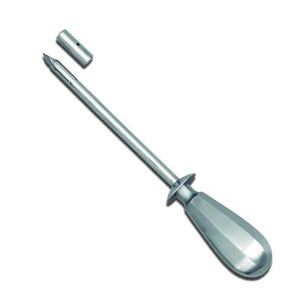
Advanced surgical trocar assembly with anti-slip sleeve locking mechanism ensuring reliable stability during minimal invasive procedures.
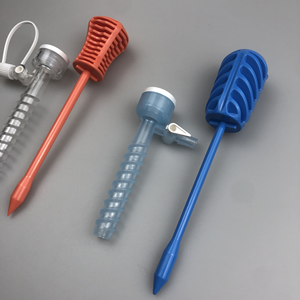
Multipurpose thoracic drainage trocar catheter and Tilley Lichtwitz trocar engineered for rapid pleural decompression and fluid drainage.
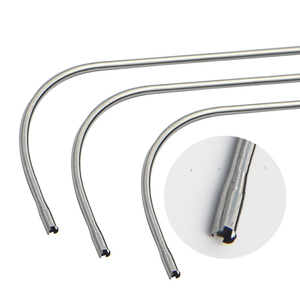
Pre-bent endoscopic access cannula customized for ENT surgeries, featuring ultra-smooth internal lumens to reduce micro-friction.
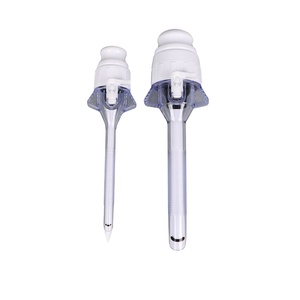
Bladeless optical entry trocar 5mm engineered for minimal fascial trauma, optimal abdominal seal maintenance, and clear scope visualization.
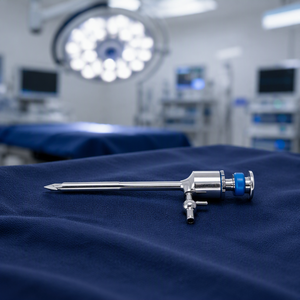
Safety-shielded surgical cannula for clinical laparoscopy, equipped with auto-retracting blade protection to prevent accidental organ perforation.
Vertical integration, raw material science, and global regulatory compliance form the cornerstone of our manufacturing ecosystem.
Extrusion, injection moulding, assembly, and pouch packaging are conducted inside ISO Class 8 environment with positive pressure monitoring to minimize particle counts and bio-burden.
Every batch undergoes Ethylene Oxide (EO) terminal sterilization validated under ISO 11135 standards, backed by biological indicator checks and residual gas aeration monitoring.
High-speed automated tubing extrusion lines, ultrasonic filter welding, and vision inspection systems guarantee zero-leak Luer locks and precise drop chamber drip counts.
Comprehensive technical documentation, ISO 13485 QMS audits, CE certification, and FDA 510(k) ready dossiers streamlined for international hospital supply tenders.
Flexible private labelling, multilingual Instructions For Use (IFU), customized peel-open pouch art, and specialized tube length adjustments tailored for regional brand owners.
100% DEHP-free, non-PVC, and medical-grade TPU/TPE formulations designed to prevent phthalate leaching and ensure drug compatibility during chemotherapy and critical care.
The global medical disposables sector has undergone a profound structural evolution over the past decade. Within this landscape, China has consolidated its standing as the primary global hub for high-volume, precision-engineered medical infusion sets, central venous catheters, and endoscopic surgical trocars. The technical capabilities of top Chinese infusion set manufacturers now surpass conventional manual assembly, having transitioned toward fully automated, continuous extrusion and robotic assembly architectures operating strictly under ISO 13485 quality management framework.
Infusion sets—vital for fluid therapy, parenteral nutrition, chemotherapy, and blood transfusions—demand absolute physical integrity and chemical inertness. A failure rate measured in parts-per-million is non-negotiable when dealing with intravascular access. Consequently, leading factories in China invest heavily in cleanroom infrastructure, maintaining ISO Class 8 (Class 100,000) environments equipped with HEPA filtration, automated humidity controls, and positive differential pressure systems. These cleanrooms prevent air-borne particulates and microbial bio-burden from contaminating the fluid pathway prior to terminal Ethylene Oxide (EO) or Gamma-ray sterilization.
Furthermore, raw material selection forms the bedrock of clinical safety. Modern hospital procurement guidelines specify non-DEHP (Di-2-ethylhexyl phthalate) plasticized PVC, Thermoplastic Elastomers (TPE), and Thermoplastic Polyurethane (TPU). DEHP, historically used to render PVC flexible, poses severe risks of lipophilic drug leaching—particularly during lipid emulsion administration, paclitaxel infusions, and neonatal critical care. Leading Chinese factories have successfully developed co-extruded multi-layer tubing featuring an inner TPE fluid-contact layer and an outer PVC structural sleeve. This hybrid architecture delivers complete chemical inertness without sacrificing tube elasticity, memory retention, or kink resistance.
As clinical requirements grow increasingly specialized, infusion set and catheter technology must evolve beyond rudimentary gravity-fed designs. Procurement directors sourcing from China are prioritizing key technological advancements that enhance patient outcomes and streamline nursing workflows:
A. Precision Flow-Rate Controllers and Micro-Drip Architecture: Standard roller clamps are inherently prone to cold-flow creep, causing fluid delivery rates to drift over prolonged infusions. Advanced precision flow regulators—integrated directly into the IV line—utilize dial-calibrated micro-channel channels, maintaining stable delivery rates from 5 mL/h up to 250 mL/h with a variance margin under ±10%. This innovation bridges the cost gap between basic gravity sets and expensive electronic infusion pumps for non-critical ward settings.
B. Hydrophobic Air-Venting and Auto-Prime Membrane Filters: Accidental air embolism remains a primary hazard during IV line changes. Modern Chinese infusion sets integrate 0.22-micron or 1.2-micron polyethersulfone (PES) or PTFE liquid-stop membranes within the drip chamber or inline housing. These hydrophobic membranes allow air to vent freely out of the line during priming while stopping fluid passage automatically once the line is filled, eliminating manual air purging and protecting the fluid pathway against bacterial ingress.
C. Light-Resistant Photo-Protective Tubing: Light-sensitive therapeutic agents—such as sodium nitroprusside, amphotericin B, and various oncology regimens—degrade rapidly under ambient room light or UV rays. Top Chinese manufacturers supply specialized amber and dark-yellow tinted co-extruded tubing capable of blocking wavelengths between 290 nm and 450 nm while remaining sufficiently translucent to permit visual bubble verification by healthcare staff.
D. Needleless Injection Sites and Anti-Reflux Safe Locks: Needle-stick injuries represent a major occupational risk for healthcare workers. The integration of self-sealing silicone split-septum needleless connectors enables luer-lock syringe access without open-needle exposure. These valves withstand upwards of 200 mechanical activations and maintain positive pressure sealing against venous backflow, drastically reducing Catheter-Related Bloodstream Infections (CRBSIs).
International procurement executives, hospital supply chain directors, and OEM brand distributors must navigate shifting regulatory standards and supply chain dynamics when sourcing infusion sets and surgical cannulas from China. Key trends shaping procurement strategies include:
1. Stringent Adherence to European Union MDR (2017/745): The transition from MDD to EU MDR has heightened documentation requirements for Class I, IIa, and IIb medical disposables. Top Chinese exporters have updated their Technical Documentation Dossiers (TDD), implementing rigorous Clinical Evaluation Reports (CER), Post-Market Surveillance (PMS) systems, and Unique Device Identification (UDI) barcoding directly onto primary packaging pouches.
2. Decentralized OEM Private Labeling & Customized Kit Packaging: Modern health networks are shifting away from fragmented product purchasing toward turnkey procedure kits. Chinese factories are expanding OEM/ODM services by bundling infusion sets, central venous catheters, skin prep accessories, and surgical drapes into sterile, procedure-ready procedure trays tailored for specific clinical protocols.
3. Sustainability and Eco-Conscious Packaging Initiatives: Medical waste reduction is now a core procurement KPI. Manufacturers are responding by reducing primary pouch dimensions, substituting non-recyclable foil laminates with recyclable mono-material films, and replacing heavy paper IFUs with digital QR-code access links, significantly lowering shipping weight and carbon footprints.
Essential technical and regulatory insights for hospital purchasing committees, OEM distributors, and medical importers.
Require factory audits, OEM quotation files, or technical regulatory dossiers for tender submissions? Speak directly with our international export desk.
Contact Us