


Engineered in compliance with ISO 13485 and CE standards for critical care, emergency medicine, and pediatric oxygenation.
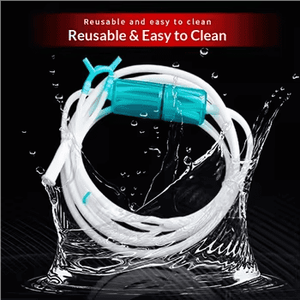
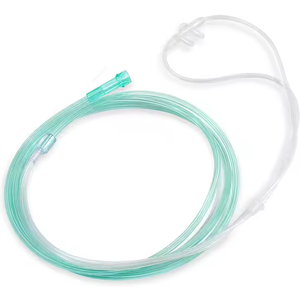
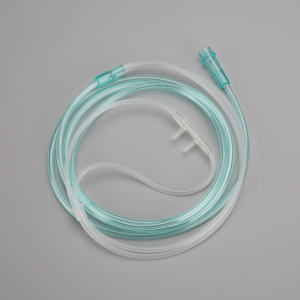
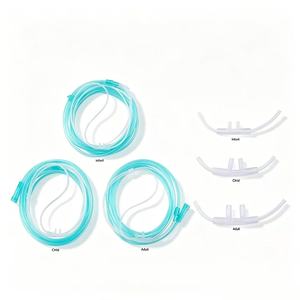
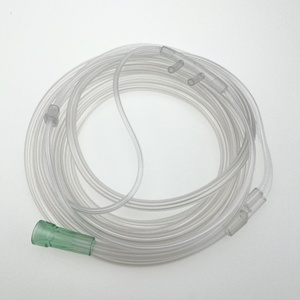
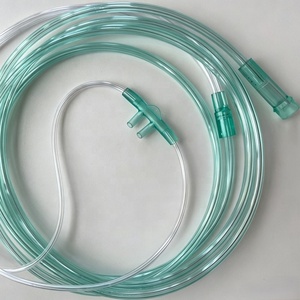
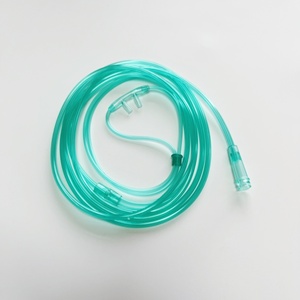

In contemporary critical care, emergency medicine, and long-term oxygen therapy (LTOT), the nasal oxygen cannula serves as the primary non-invasive interface for supplemental oxygen delivery. As hospital procurement boards, international medical distributors, and tender committees navigate global supply chain dynamics, China has established itself as an indispensable manufacturing hub for high-precision, medical-grade respiratory disposables. Evaluating top suppliers requires a granular understanding of polymer science, automated extrusion technology, cleanroom standards, and international regulatory compliance frameworks.
This industry whitepaper delivers an technical analysis of the design parameters, material innovations, clinical efficacy benchmarks, and future market trends shaping the global supply of oxygen cannulas from premier Chinese manufacturers and exporters.
Key Procurement Takeaway: Modern oxygen cannula procurement is no longer driven solely by unit cost. High-performing healthcare organizations prioritize anti-kinking star-lumen tubing geometry, phthalate-free biocompatible polymers (ISO 10993 & ISO 18562 compliance), and high-flow nasal cannula (HFNC) compatibility.
The selection of raw materials directly dictates clinical safety, patient compliance, and durability during extended oxygen therapy. Leading Chinese medical manufacturers utilize two primary classes of polymers for cannula construction:
Traditional oxygen cannulas are extruded using plasticized Polyvinyl Chloride. However, regulatory shifts by the European Medicines Agency (EMA) and US FDA regarding DEHP (Di(2-ethylhexyl)phthalate) exposure have driven top suppliers toward DEHP-free and phthalate-free alternative plasticizers, such as TOTM (Trioctyl Trimellitate) or DINCH (Diisononyl cyclohexane-1,2-dicarboxylate). High-grade medical PVC provides excellent transparency, flexible memory, and cost efficiency while eliminating plasticizer leaching risks during continuous gas flow.
For high-flow oxygen therapy (HFNC) and sensitive pediatric/neonatal applications, liquid silicone rubber (LSR) represents the premium benchmark. LSR offers unmatched biocompatibility, extreme thermal resistance, and exceptional softness (Shore A hardness ranging between 30 and 50). Silicone nasal prongs reduce friction-induced skin breakdown and nostril ulceration—a vital requirement for long-term ICU patients and preterm infants.
| Polymer Property | Standard Medical PVC | DEHP-Free / TOTM PVC | Liquid Silicone Rubber (LSR) |
|---|---|---|---|
| Biocompatibility (ISO 10993) | Standard compliant | Enhanced (No Leaching) | Superior / Hypoallergenic |
| Thermal Stability | Up to 60°C | Up to 70°C | -40°C to 200°C (Autoclavable) |
| Tissue Abrasion Risk | Moderate during long wear | Low (Softened Formulation) | Ultra-Low (Anatomical Flex) |
| Target Clinical Segment | Standard Ward / ER (1-6 L/min) | General & Pediatric Care | ICU, HFNC, Neonatal Care |
A critical failure mode in low-quality oxygen cannulas is accidental tube occlusion caused by bending, twisting, or patient movement. When gas flow is interrupted, desaturation risks rise rapidly in acute patients.
Top-tier Chinese manufacturers eliminate this risk through Star-Lumen (Six-Channel / Three-Channel) Extrusion Technology. Unlike simple smooth-bore tubing, star-lumen tubes feature internal longitudinal ridges that form an asterisk-like internal cross-section. Even if the outer wall of the tube is bent at a sharp 180-degree angle or crushed under hospital bed rails, the internal channels remain open, maintaining continuous oxygen delivery without pressure spikes.
The global market for respiratory disposables is undergoing rapid technological transition driven by lessons from acute pandemic care and expanding home oxygen markets:
High-Flow Nasal Cannula therapy delivers heated and humidified oxygen gas mixtures at flow rates up to 60–80 L/min. This clinical approach requires cannulas with larger internal diameters, integrated condensate management (water traps/collectors), and reinforced silicone prongs capable of handling positive airway pressure without dislodging. Manufacturers with dedicated HFNC production lines are experiencing the highest growth in international tenders.
In prolonged high-flow or humidified therapy, condensation (rainout) within the supply tubing poses a aspiration risk to the patient and degrades acoustic comfort. Advanced cannula configurations incorporate inline moisture traps (water collectors) positioned 1.5 to 2 meters from the patient interface, allowing nurse staff to drain accumulated fluid without breaching the closed circuit.
Environmental, Social, and Governance (ESG) criteria are altering global hospital procurement strategies. European and North American buyers are increasingly demanding single-use disposables manufactured from Thermoplastic Elastomers (TPE) or bio-based PVC polymers that emit significantly lower toxic emissions during controlled incineration and support circular recycling programs.
Why leading international medical brands, healthcare ministries, and distributors partner with top Chinese manufacturing groups.
Automated extrusion, injection molding, and assembly are conducted inside certified ISO Class 8 cleanrooms with strict airborne particulate control and bioburden monitoring, ensuring absolute hygienic integrity before terminal sterilization.
Terminal Ethylene Oxide (EO) sterilization cycles are validated in compliance with ISO 11135 standards. Every production lot undergoes rigorous EO residual testing (ISO 10993-7) to guarantee zero chemical irritation upon clinical use.
From customized tubing lengths (2m, 3m, 5m), color-coded hubs, and specialized prong shapes to private label pouch printing, multilingual IFUs, and full technical documentation for local medical device registration.
Engineered for extreme biocompatibility and low extractables. Ultra-soft liquid silicone prongs minimize nasal mucosa inflammation, ensuring patient comfort during continuous 72-hour clinical oxygenation.
Complete technical dossiers including CE Declaration of Conformity, ISO 13485 QMS certificates, free sale certificates (FSC), and ISO 18562 gas pathway biocompatibility testing reports available for instant buyer audit.
Clear technical insights to streamline evaluation, sourcing, and contract negotiation for oxygen cannula imports.
International buyers should require ISO 13485 certification for medical device quality management systems, CE marking under the EU MDR (Medical Device Regulation 2017/745) or MDD for European entry, and US FDA 510(k) clearance where applicable. Furthermore, batch-wise EO sterilization validation reports (ISO 11135) and biocompatibility test reports (ISO 10993 and ISO 18562 for breathing gas pathways) must be provided in the product's technical dossier.
Star-lumen (multichannel) tubing features internal geometry with 3 to 6 molded inner ribs. If the external tube suffers severe mechanical bending, compression, or twisting, the raised internal ridges prevent the inner walls from completely collapsing together. Gas flows uninterrupted through the peripheral channels, safeguarding patients against sudden hypoxia.
Standard oxygen cannulas are designed for low-flow delivery (1–6 L/min) of non-humidified room-temperature oxygen, providing FiO2 levels between 24% and 44%. In contrast, HFNC devices are manufactured from thermal-resistant liquid silicone rubber, feature wider internal diameters, incorporate inline condensate water collectors, and handle heated, humidified gas flows up to 60–80 L/min while delivering mild positive end-expiratory pressure (PEEP).
Yes. Leading original equipment manufacturers (OEM) offer extensive customization, including custom tube lengths (from 1.5m to 7m), specific prong configurations (curved, straight, flared, micro-pediatric), customized luer lock connectors, private label medical-grade blister packaging, and country-specific multilingual IFUs (Instructions for Use).
DEHP is a phthalate plasticizer that can leach out of standard PVC over prolonged contact with gases or fluids, posing potential endocrine-disrupting risks to vulnerable patients, particularly neonates, pregnant women, and chronic lung disease sufferers. Specifying DEHP-free PVC (utilizing alternative plasticizers like TOTM) ensures compliance with strict international medical device regulations and hospital safety guidelines.
When packaged in medical-grade paper-poly pouch combinations and sterilized via Ethylene Oxide (EO), oxygen cannulas carry a validated sterile shelf life of 3 to 5 years, provided the pouch seal remains intact and stored in a cool, dry environment away from direct sunlight.
Request factory-direct pricing, bulk sample kits, and complete regulatory dossiers (ISO 13485, CE, Biocompatibility) tailored to your market requirements.