

ISO 9001 & ISO 13485 Certified WHO-GMP CE Marked Manufacturing in India since 1955

China Top Oxygen Mask Manufacturers & Exporter

Strategic B2B Intelligence, Technical Innovation & Global Supply Chain Benchmarks for Oxygen Therapy & Respiratory Disposables

65+
Years Manufacturing Heritage
90+
Global Export Markets
100k
Cleanroom ISO Class 8
100%
EO Batch Traceability

Executive Summary: Navigating China’s Medical Respiratory Manufacturing Ecosystem

The global medical respiratory consumables industry is undergoing a structural transformation driven by tightening regulatory compliance, demand for DEHP-free biocompatible polymers, and the need for resilient OEM supply chains. As hospital networks, emergency response units, and medical device importers optimize procurement strategies, evaluating China top oxygen mask manufacturers & exporters requires an in-depth understanding of engineering precision, polymer selection, cleanroom automation, and international regulatory certification frameworks (such as EU MDR 2017/745 and US FDA 510(k)).

This technical whitepaper delivers comprehensive procurement intelligence for healthcare purchasing officers, international distributors, and clinical specialists. It addresses material specifications, non-rebreather mask sealing dynamics, anti-crush tubing geometry, and the key auditing benchmarks necessary to vet Chinese manufacturing partners for high-volume oxygen delivery systems, tracheostomy kits, central venous catheters, and laparoscopic cannula devices.

Key Insight for B2B Procurement: Modern oxygen therapy efficacy depends on precise FiO2 delivery, anti-occlusion tubing design, and skin-neutral perimeter sealing. Top Chinese exporters have transitioned from high-volume assembly to automated liquid silicone co-molding and rigorous ISO 11135 EO sterilization protocols.

1. Future Global Procurement Trends in Respiratory Therapy (2025–2030)

International procurement strategies for oxygen delivery devices are shifting from cost-per-unit evaluation to total cost of care (TCC) and patient safety metrics. As chronic obstructive pulmonary disease (COPD) and post-operative respiratory care demand expand globally, the following macro procurement trends are shaping manufacturer selection:

  • Transition to Non-Phthalate & DEHP-Free PVC Polymers: Global hospital groups are phasing out plasticized PVC containing DEHP (Di(2-ethylhexyl)phthalate) due to endocrine disruption risks. Leading Chinese manufacturers now utilize TOTM (Tri-octyl trimellitate) and citrate-based plasticizers to manufacture ultra-soft, highly transparent, bio-neutral oxygen masks that comply with REACH and RoHS standards.
  • Adoption of Liquid Silicone Rubber (LSR) Ergonomic Seals: Traditional rigid PVC masks often lead to pressure injuries during prolonged continuous oxygen delivery. Next-generation production lines integrate LSR micro-cushion borders that conform dynamically to facial contours, reducing pressure necrosis while minimizing gas leakage around the nasal bridge and cheekbones.
  • High-Flow Venturi System Customization: Procurement teams are expanding specifications for adjustable color-coded Venturi valves. Multi-valved kits offering continuous FiO2 control from 24% to 50% flow rates allow clinical staff to adjust oxygen dilution without changing mask assemblies, simplifying hospital inventory units (SKUs).
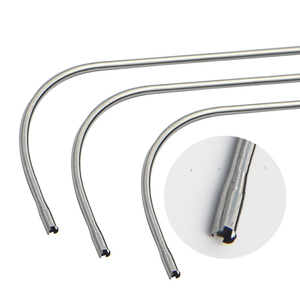
  • Kink-Resistant Star-Lumen Tubing Architecture: Standard smooth-bore tubing poses severe clinical risks if folded or compressed. Leading exporters standardize 6-channel or 7-channel star-lumen inner tubing configurations, ensuring uninterrupted gas flow even when subjected to 180-degree bending or heavy bedside compression.

2. Product Development Trends: Smart Cleanroom Production & OEM/ODM Capabilities

The competitive moat for Chinese medical device exporters has evolved from labor-cost efficiency to advanced automated manufacturing. Tier-1 facilities operate state-of-the-art cleanrooms (Class 100,000 / ISO Class 8) featuring automated high-speed injection molding, robot-assisted visual inspection systems, and inline micro-leak testing.

Precision Micro-Molding

Tooling tolerances within ±0.005mm guarantee flash-free connector edges, eliminating mucosal irritation during cannula insertion and airway setup.

Validated EO Sterilization

Ethylene Oxide cycles engineered per ISO 11135 ensure residual gas concentrations drop well below 4 mg/device, meeting rigorous pediatric safety standards.

Full Batch Traceability

From raw resin pellets to final pouch sealing, every lot carries barcode tracking linked to material test reports (MTR) and sterilization certificates.

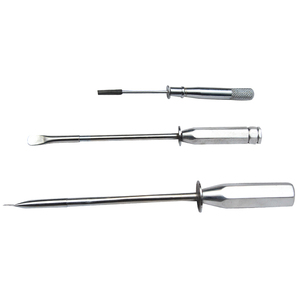
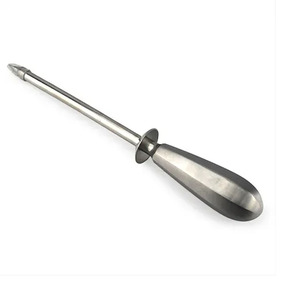
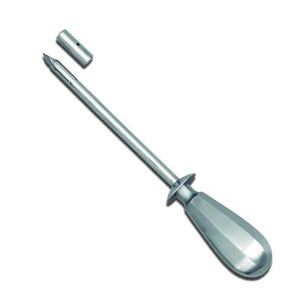
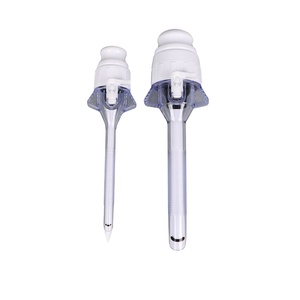
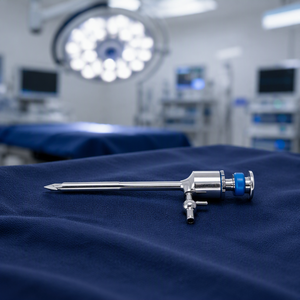
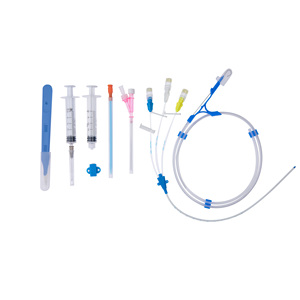
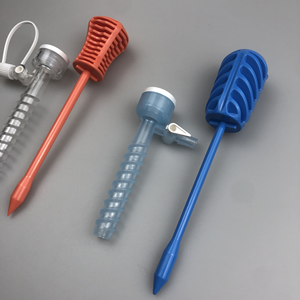
In addition to standard simple oxygen masks, non-rebreather masks with reservoir bags, and nasal cannulas, manufacturing lines are increasingly customized for specialized clinical fields. Exporters are scaling up custom OEM capabilities for pediatric, neonatal, and tracheostomy-specific respiratory interfaces, alongside laparoscopic accessories like stainless steel trocar cannulas, thoracic drain catheters, and central venous catheter lumen sets.

3. Technical Evaluation & Quality Assurance Framework for Exporters

When auditing potential suppliers in China, B2B procurement managers must apply a systematic evaluation matrix encompassing physical performance metrics, biocompatibility protocols, and quality management documentation (QMS):

A. Biocompatibility Validation (ISO 10993 Compliance): Respiratory devices reside in direct contact with vulnerable airway mucosa and skin. Accredited manufacturers must provide comprehensive ISO 10993 testing dossiers, including Cytotoxicity (ISO 10993-5), Sensitisation and Irritation (ISO 10993-10), and Systemic Toxicity (ISO 10993-11).

B. Mechanical & Functional Integrity Testing: Premium oxygen mask assemblies undergo rigorous bench testing before lot release:

  • Connector Pull-Force Test: Universal funnel connectors must withstand a tensile pull force exceeding 40N without dislodging from the tubing or mask inlet port.
  • Reservoir Bag Sealing Integrity: Non-rebreather bags undergo pressure decay testing to prevent oxygen leakage under elevated flow conditions (10–15 L/min).
  • Valve Resistance Metrics: One-way inspiration and expiration valves must demonstrate negligible opening resistance (<0.5 cmH2O at 30 L/min) to prevent carbon dioxide rebreathing.

C. Regulatory Dossier Availability: Top-tier Chinese exporters maintain comprehensive technical files (STED format) ready for immediate submission to national health authorities. This includes Free Sale Certificates (FSC), ISO 13485:2016 QMS verification, CE Mark declarations under EU MDR, and FDA 510(k) clearances for class II medical devices.

4. Corporate Heritage & Enterprise Advantage: Why Partner With Us

Building upon decades of medical device manufacturing excellence, our industrial group stands among Asia's most trusted manufacturers and global exporters of single-use medical dissposables, surgical instruments, and respiratory care products. Combining state-of-the-art polymer research with rigorous quality assurance systems, we deliver clinical reliability to over 90 countries worldwide.

Our production facilities integrate raw material synthesis, precision tooling, extrusion, cleanroom molding, packaging, and terminal sterilization under a unified quality management umbrella. Key corporate pillars include:

  • Six Decades of Engineering Legacy: Established on an unyielding commitment to patient safety, our technical teams continuously refine device ergonomics, balloon symmetry, valve seal compliance, and skin-friendly adhesives.
  • End-to-End Vertical Integration: In-house tool design, automated extrusion lines, high-precision dipping, and high-frequency welding allow tight control over dimensional tolerances and material purity.
  • Global Regulatory & Audit Readiness: Our dedicated export compliance department provides complete regulatory support, assisting international partners with local device registration, tender documentation, and country-specific packaging compliance.
  • Scalable OEM & Private-Label Programmes: We provide turnkey OEM solutions—ranging from customized multi-lingual instructions for use (IFU) and specialized brand printing to shelf-ready blister and pouch packing configurations.

Frequently Asked Questions (FAQ) for B2B Procurement

Essential Answers for Medical Importers, Wholesale Distributors & Hospital Purchasing Committees

1. What quality certifications and standards apply to your oxygen mask & medical catheter production lines?
Our manufacturing facilities operate under strictly audited ISO 13485:2016 and ISO 9001 Quality Management Systems. Products comply with CE marking requirements under the European Medical Device Regulation (EU MDR 2017/745) and maintain WHO-GMP compliance. Full technical documentation dossiers, ISO 10993 biocompatibility test reports, and sterilization validation records (ISO 11135) are available to international importers for regulatory filing.
2. Are your medical PVC oxygen masks 100% DEHP-free and phthalate-neutral?
Yes. We offer both standard medical-grade PVC formulations and 100% DEHP-free / Phthalate-free medical PVC options. Our DEHP-free masks utilize non-toxic TOTM plasticizers, ensuring absolute safety for vulnerable patient demographics including neonates, pregnant women, and chronic respiratory patients undergoing long-term therapy.
3. What terminal sterilization methods are utilized for single-use disposables?
All single-use medical devices, oxygen masks, non-rebreather sets, thoracic trocar catheters, and central venous catheter sets are terminally sterilised by Ethylene Oxide (EO) gas in validated vacuum chambers per ISO 11135 standards. Each individual peel-pack pouch features clear chemical sterilization indicators, lot numbers, manufacturing dates, and 5-year expiry tracking.
4. Can your factory support custom OEM/ODM branding, private labeling, and regional packaging?
Absolutely. We specialize in comprehensive OEM and private-label production programs for international brands and regional medical suppliers. We support custom-printed pouches, customized inner box designs, multi-lingual Instructions for Use (IFU), customized barcode/GS1 DataMatrix printing, and specialized shipping carton dimensions tailored to your market's logistics requirements.
5. What are the typical minimum order quantities (MOQ) and production lead times for export orders?
Standard OEM production minimum order quantities generally range from 5,000 to 10,000 units per category depending on customization requirements. For catalog standard items, lower MOQ thresholds apply. Average factory lead times are 20 to 30 business days following artwork confirmation and deposit receipt, with expedited shipping support for urgent hospital tenders.
6. How can international purchasing agents request product samples and factory technical files?
Procurement officers can immediately request evaluation sample kits and technical specification sheets by clicking the "Contact Us" call-to-action buttons across our site to connect directly with our export desk. Free product samples are dispatched via international express couriers (DHL/FedEx) within 48 hours for validated business buyers.

Ready to Optimize Your Medical Supply Chain?

Connect directly with our international export engineering team for factory pricing, custom technical specifications, OEM catalogs, and sample evaluation kits.
Contact Us