


ISO 13485 & CE Compliant Surgical Disposables, Trocars, and Catheters Ready for Global Export
Utilizing high-purity synthetic polyisoprene, medical-grade nitrile, and natural rubber latex processed under strict low-protein formulations to eliminate Type I and Type IV allergic reactions in surgical suites.
Fully automated dip-molding, continuous online leaching, and robotic packaging operating under Class 100,000 (ISO Class 8) environment with strict bioburden control and particulate monitoring.
Comprehensive technical documentation including ISO 13485:2016 QMS certificates, EU MDR 2017/745 compliance dossiers, US FDA 510(k) clearances, and batch-wise viral penetration testing protocols (ASTM F1671).
In modern healthcare procurement, selecting a surgical glove manufacturer demands moving beyond basic price-per-box metrics. Leading hospital groups and B2B importers evaluate suppliers based on tensile strength retention after sterilization, barrier integrity (AQL 0.65 vs AQL 1.5), ergonomic fatigue-reduction design, and total cost of ownership (TCO) across clinical specialties.
The global demand for high-grade surgical PPE, micro-textured barrier gloves, and specialty interventional disposables has experienced a structural shift toward stringent biosecurity and ergonomic excellence. As surgical procedures transition toward minimally invasive techniques, microsurgery, and complex robotic interventions, surgeon tactile sensitivity and double-gloving protection standards have become paramount.
China has consolidated its position as a global manufacturing powerhouse for medical devices and surgical consumables. By integrating advanced polymer chemistry, automated dipping infrastructure, and zero-defect quality management systems, Chinese surgical glove factories deliver unmatched scalability, consistent physical properties, and full compliance with international standards such as EN 455, ASTM D3577, and ISO 10282.
When evaluating top China surgical glove suppliers, international procurement directors must analyze the technical architecture of production lines. Premium factories utilize multi-stage hot water leaching to remove residual extractable proteins and chemical accelerators (thiurams, dithiocarbamates, and thiazoles), drastically minimizing allergic contact dermatitis among operating room staff.
Understanding the material nuances of surgical barrier protection is critical for risk mitigation and clinical satisfaction. The market is currently undergoing a rapid transformation driven by material science innovations:
| Material Category | Tensile Strength (MPa) | Ultimate Elongation (%) | Tactile Sensitivity | Protein Allergy Risk | Primary Clinical Application |
|---|---|---|---|---|---|
| Natural Rubber Latex (NRL) | ≥ 24.0 MPa | ≥ 750% | Exceptional (Form-fitting) | Contains Type I Latex Proteins | General Surgery, Orthopedics, Trauma |
| Synthetic Polyisoprene (PI) | ≥ 17.0 MPa | ≥ 650% | Identical to Natural Latex | 100% Protein Free | High-Risk Surgeries, Microsurgery, OPD |
| Medical Nitrile (NBR) | ≥ 14.0 MPa | ≥ 500% | Moderate to High | 100% Latex & Accelerator Free Options | Chemotherapy Prep, Trauma, Emergency |
| Neoprene (Polychloroprene) | ≥ 12.0 MPa | ≥ 600% | High Flexibility & Fit | Protein Free | Chemical Handling, Specialized Surgical Suites |
Synthetic Polyisoprene mirrors the molecular structure of natural rubber latex without containing any soluble plant proteins. For high-end surgical procedures, PI surgical gloves deliver superior softness, ultra-low modulus, and high stress-relaxation properties. This ensures that surgeons experience minimal hand fatigue during 6+ hour delicate procedures while retaining 100% barrier confidence.
Historically, cornstarch powder was used to facilitate glove donning. Today, modern surgical glove factories employ advanced polymer coating (hydrophilic acrylic or polyurethane inner lining) and online chlorination. Powder-free surgical gloves eliminate powder-induced postoperative adhesions, granulomas, and wound healing complications, complying fully with FDA bans on powdered medical gloves.
To establish E-E-A-T (Experience, Expertise, Authoritativeness, and Trustworthiness), procurement officers must require verified test reports from accredited third-party laboratories (e.g., SGS, TÜV SÜD, Intertek). Below is the benchmark quality control matrix used by premier Chinese surgical manufacturers:
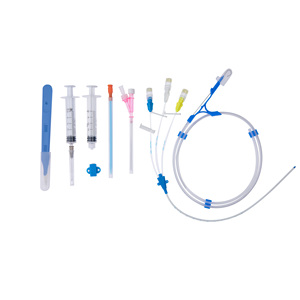
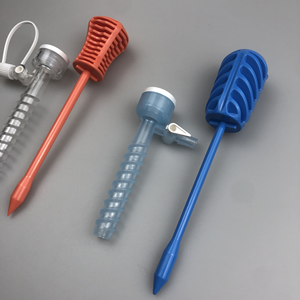
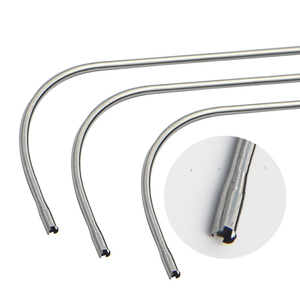
Modern surgical suites operate as integrated ecosystems. Alongside surgical gloves, laparoscopic procedures require high-precision access instruments, including Disposable Bladeless Trocars, Thoracic Trocar Catheters, Central Venous Catheters (CVC), and Endoscopic Tubing Systems.
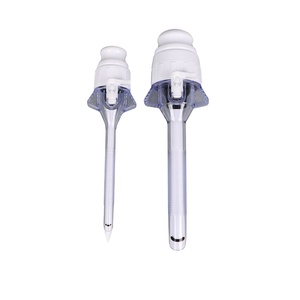
As demonstrated in our product portfolio, Chinese factories have achieved world-class engineering capabilities in laparoscopic access devices. For example, 5mm and 10mm bladeless trocars utilize optical dilating tips that separate tissue layers along fiber lines rather than cutting them. This drastically reduces abdominal wall trauma, speeds up patient recovery, and minimizes port-site herniation risks.
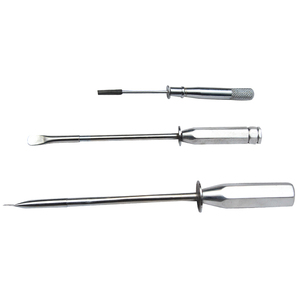
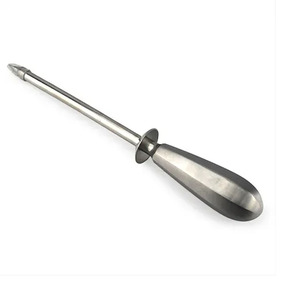
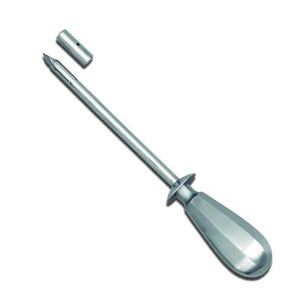
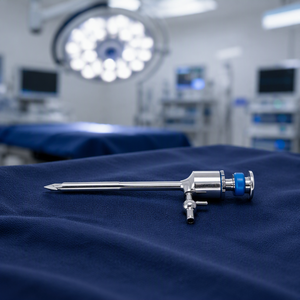
Similarly, German stainless steel veterinary and human medical trocars feature micro-polished cannula interiors, leak-proof silicone seal valves, and ergonomic housing designs that maintain stable pneumoperitoneum during instrument changes.
Collaborating directly with established Chinese medical manufacturers offers critical structural advantages for OEM brand owners, government health ministries, and global hospital supply chains:
As the healthcare sector aligns with sustainable development goals (SDGs) and digitalized procurement, several key trends will shape the surgical glove and disposable device industry over the next decade:
Next-generation latex and nitrile surgical gloves are incorporating organic additives that accelerate anaerobic biodegradation in municipal landfills without compromising shelf-life, barrier strength, or chemical resistance.
Surgical safety protocols increasingly mandate double-gloving in high-bleed surgeries. Modern manufacturers produce specialized dark green or blue smooth inner gloves combined with micro-textured translucent outer gloves. If the outer glove is punctured during surgery, fluid penetrates between the layers, creating a bright visual color indicator that alerts the surgeon immediately.
Integration of RFID tags and unique device identification (UDI) barcodes on unit packaging allows real-time inventory tracking, automated expiration management, and instant recall capabilities across hospital networks.
Expert Answers for Hospital Purchasing Officers, Medical Importers, and OEM Partners
Connect directly with our engineering team for factory audits, custom OEM proposals, free samples, and institutional tender pricing.