


Explore our CE & ISO 13485 certified medical disposables. Built for clinical precision, minimal tissue trauma, and zero-leakage fluid management.
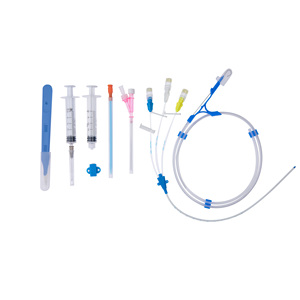
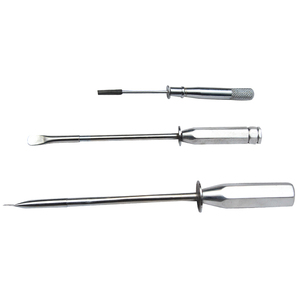
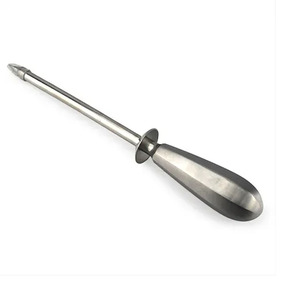
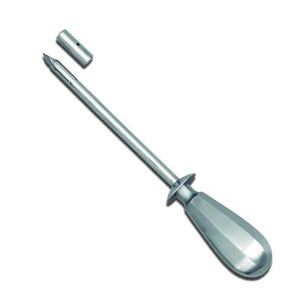
The global urological and surgical device landscape is undergoing a systemic transition driven by stringent regulatory frameworks, rising awareness of Catheter-Associated Urinary Tract Infections (CAUTIs), and an unprecedented surge in minimally invasive surgeries worldwide. As healthcare systems scale up procurement standards, buyers face a complex set of choices across raw polymer selection, balloon inflation dynamics, non-traumatic eyelet engineering, and sterilization validation protocols.
China and India have emerged as the primary manufacturing hubs capable of meeting the volume and precision requirements of international healthcare entities. However, selecting a qualified supply chain partner requires rigorous technical evaluation beyond simple unit pricing. This comprehensive whitepaper evaluates the engineering paradigms, regulatory criteria, material science trends, and procurement strategies necessary for hospital purchasing committees, OEM brand owners, and medical device importers.
Advanced hydrophilic polymer coatings retain water molecules to create a ultra-frictionless layer, reducing insertion force by up to 85% and significantly curbing urethral irritation.
Navigating EU MDR (2017/745) and US FDA 510(k) clearances. Rigorous ISO 10993 biocompatibility dossiers ensure zero cytotoxicity, sensitization, or systemic toxicity.
Class 100,000 (ISO Class 8) cleanrooms equipped with automated high-speed extrusion lines ensure strict outer diameter (OD) and inner diameter (ID) tolerances.
With over six decades of continuous operational history since 1955, our manufacturing ecosystem integrates technical polymer extrusion, mold toolmaking, dipping, chemical coating, and automated cleanroom packaging under one unified Quality Management System (QMS).
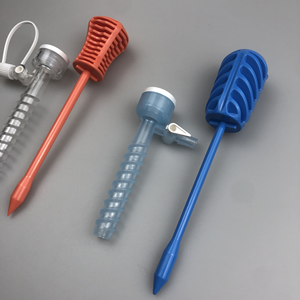
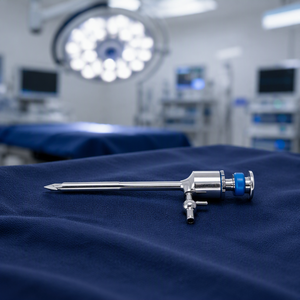
Custom mold design allows rapid prototyping for 2-way and 3-way Foley balloon catheters, thoracic trocars, and ENT endoscopic tubing, ensuring perfect concentricity and balloon symmetry.
Terminal sterilization executed according to ISO 11135 guidelines. Complete biological indicator monitoring and gas aeration cycle testing guarantee zero toxic residuals.
Supporting international medical distributors with multilingual Instructions for Use (IFU), customized blister pouch designs, private-label branding, and complete regulatory dossiers.
Our manufacturing infrastructure covers ten specialized clinical categories, supplying audited hospitals across 90+ countries:
Choosing the correct catheter substrate directly impacts clinical outcomes, biostability, dwell time, and patient comfort. Below is an engineering comparison evaluating standard medical grade materials used in modern urinary and vascular catheter production.
| Material Category | Biocompatibility Index | Max Recommended Dwell Time | Tensile Strength & Kink Resistance | Primary Clinical Application |
|---|---|---|---|---|
| 100% Medical Grade Silicone | ISO 10993 Class VI Excellent | Up to 30 Days (Long-term) | High flexibility; smooth lumen prevents encrustation | ICU patients, chronic retention, long-term catheterization |
| Silicone-Coated Natural Latex | Good (Hydrophobic barrier) | Up to 7 Days (Short-medium) | Superior elasticity, cost-effective, high balloon resilience | Standard post-operative drainage, general ward care |
| Thermoplastic Polyurethane (TPU) | High (Softens at body temperature) | Up to 14 Days | Ultra-thin wall design allows maximum inner flow lumen | Central Venous Catheters (CVC), Vascular access sets |
| Hydrophilic Polymer Coating | Ultra-Low Friction Coefficient | Single-use Intermittent | Prevents urethral micro-trauma during insertion | Self-catheterization, pediatric urology, sensitive urethral tracts |
Catheter outer diameter is measured in French (Fr / Charrière), where 1 Fr = 0.33 mm. Ensuring precise dimensional uniformity during extrusion is critical to avoid flow resistance or excessive urethral pressure.
Equipped with non-traumatic stylets to facilitate insertion. Balloon capacities scaled from 3 ml to 5 ml to prevent bladder neck spasms.
Available in 2-way standard and 3-way continuous irrigation configurations. 5 ml to 30 ml symmetrical inflation balloons.
Reinforced thick-wall structures engineered for heavy surgical irrigation, clot evacuation, and post-TURP procedures.
As global healthcare procurement transitions toward value-based purchasing, B2B buyers must adapt to four transformative shifts shaping the urinary catheter and surgical instrument export markets:
Global health regulations are actively phasing out DEHP plasticizers and natural rubber latex to eliminate severe patient allergic reactions and endocrine disruption risks.
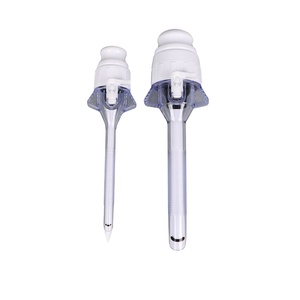
Surgical preferences have rapidly migrated toward bladeless optical trocar cannulas that dilate tissue fibers rather than cutting them, reducing post-op hernia incidence.
Recyclable film laminates and reduced-footprint shipping cartons are becoming mandatory scoring criteria in European hospital consortium tenders.
Integration of Unique Device Identification (UDI) barcodes on individual catheter blisters to enable automated hospital inventory tracking and electronic EHR integration.
When vetting a medical disposable supplier or exporter in China or India, procurement officers should verify the following five critical technical checkpoints to eliminate regulatory and quality risks:
Ensure extrusion and packaging are conducted in ISO Class 8 cleanrooms with documented differential pressure logs, bioburden testing, and airborne particle counts.
Request batch-wise quality control records verifying that balloons undergo 100% inflation testing without asymmetrical bulging or premature rupture under 1.5x nominal volume.
Confirm compliance with ISO 10993-7 allowable limits for Ethylene Oxide (EO) and Ethylene Chlorohydrin (ECH) residuals to protect patient mucosa from chemical burns.
Check microscopic edge finishing on lateral drainage eyes. Flame-polished or cold-punched smooth eyelets prevent severe tissue tearing during catheter insertion and removal.
Ensure your supplier provides Free Sale Certificates (FSC), Declaration of Conformity (DoC), Certificates of Analysis (CoA), and accelerated stability testing data for 5-year shelf life.
Technical answers addressing quality assurance, international shipping, OEM branding, and regulatory compliance.
Whether you require bulk hospital tenders, private-label OEM manufacturing, or specialized laparoscopic trocar sets, our export team is ready to provide fast technical support and competitive factory-direct pricing.