


Select from our ISO 13485 and CE-certified clinical disposables, manufactured in audited cleanroom environments for hospital networks and global distributors.
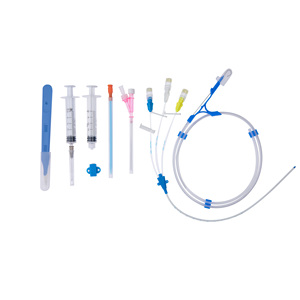
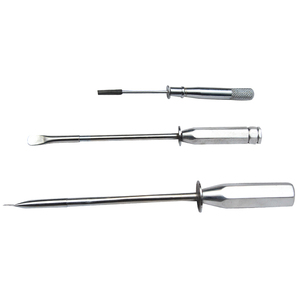
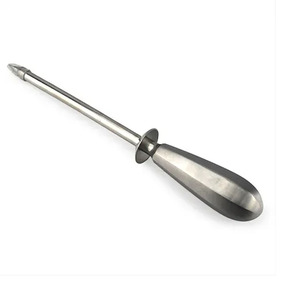
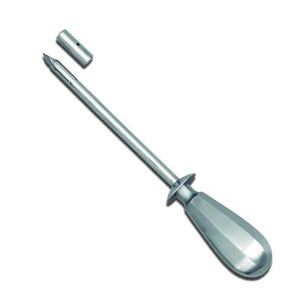
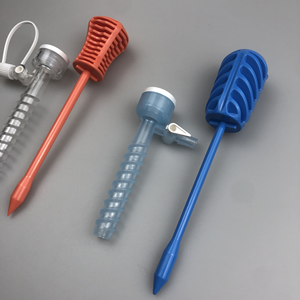
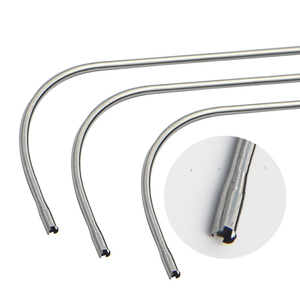
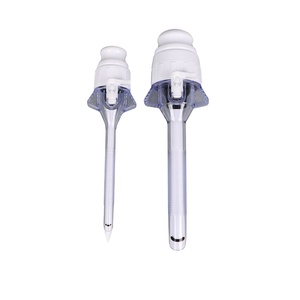
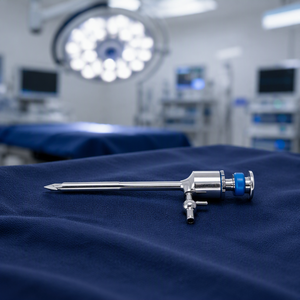
In modern hospital procurement and international medical distribution, sourcing high-grade absorbent gauze rolls and complementary surgical disposables (such as lumen catheters, endoscopic trocars, and airway instruments) requires an in-depth evaluation of yarn quality, chemical purity, bio-burden compliance, and supply chain auditability. As healthcare systems globally enforce stricter compliance standards under EU MDR (Medical Device Regulation 2017/745) and US FDA 21 CFR Part 820, sourcing managers can no longer rely solely on spot-market pricing.
China remains the premier global hub for medical-grade cotton processing and automated surgical textile weaving. However, differentiating between tier-1 accredited original equipment manufacturers (OEMs) and secondary trading intermediaries is critical to safeguarding institutional integrity and preventing clinical supply chain breakdowns. This whitepaper details the architectural specifications, manufacturing physics, quality control protocols, and B2B purchasing strategies necessary for high-volume buyers seeking long-term manufacturing partnerships.
Absorbent medical gauze is engineered from 100% natural long-staple cotton fiber, subjected to hydrogen peroxide bleaching, degreasing, and specialized air-jet or rapier weaving. The structural performance of surgical gauze rolls is primarily dictated by three physical parameters: Yarn Count (Ne), Mesh Density (Threads per Inch), and Grammage per Square Meter (GSM).
Premium medical gauze utilizes 40s, 32s, or 21s combed cotton yarns. A 40s yarn count offers superior softness, reduced linting, and high capillary action, making it ideal for direct surgical wound contact and abdominal packing.
For operating room safety, wholesale surgical gauze rolls can be integrated with heat-bonded or woven barium sulfate (BaSO4) x-ray threads (minimum 60% BaSO4 content), preventing retained surgical sponges post-laparoscopy.
Advanced chlorine-free bleaching (TCF) ensures zero toxic residue, zero fluorescence under UV examination, and rapid liquid sink times (<10 seconds per European Pharmacopoeia EN 14079 standards).
| Specification Grade | Mesh Density (Warp x Weft) | Standard GSM Range | Absorbency Sink Time | Primary Clinical Application | Compliance Standard |
|---|---|---|---|---|---|
| Type 13 Light | 10 x 7 threads / cm² (19x13 thread/in) | 13.0 - 14.5 g/m² | < 5 seconds | General bandage wrapping, secondary dressing retention | EN 14079 / BP Type 13 |
| Type 17 Standard | 12 x 5 threads / cm² (20x12 thread/in) | 16.5 - 18.0 g/m² | < 4 seconds | Wound swab converting, minor surgical packing | USP Type VII / EN 14079 |
| Type 20 Heavy | 12 x 8 threads / cm² (24x20 thread/in) | 21.0 - 23.0 g/m² | < 3 seconds | Operating theater abdominal sponges, heavy exudate management | USP Type IV / BP Type 20 |
| High-Density OR Grade | 15 x 11 threads / cm² (28x24 thread/in) | 26.0 - 29.0 g/m² | < 2.5 seconds | Critical surgical procedures, neurosurgical packing | ISO 14079 Premium |
As international buyers re-evaluate their medical device supply chains, several macro-shifts are redefining how China wholesale gauze roll factories operate and contract with international distributors:
Manual cutting and folding are being rapidly phased out. Leading Chinese facilities have installed high-speed ultrasonic cutting and automated folding lines that eliminate loose threads, guarantee exact dimensional tolerances, and maintain bio-burden levels below 100 CFU/g prior to terminal sterilization.
While Ethylene Oxide (EO) sterilization remains dominant for bulk medical disposables, regulatory pressure regarding EO residuals (ISO 10993-7) is accelerating the adoption of Cobalt-60 Gamma and Electron Beam (E-Beam) irradiation facilities directly connected to manufacturing industrial parks.
Global tenders increasingly penalize single-use non-recyclable plastics. OEM factories now offer biodegradable paper-paper blister packs, eco-kraft master cartons, and water-based ink printing to assist European and North American brand owners in meeting corporate ESG mandates.
Modern enterprise factories embed unique device identification (UDI) matrix codes on individual sterile pouches and shipping cartons, allowing hospital inventory managers to track lot numbers, raw cotton origin, and sterilization validation certificates instantly.
When evaluating prospective suppliers for wholesale gauze rolls, central venous catheters, endoscopic trocars, and airway management devices, procurement officers should conduct thorough physical or third-party audits (e.g., SGS, TÜV, Intertek) based on the following four core competencies:
The facility must maintain an active ISO 13485:2016 certification covering the specific scope of surgical textiles and sterile disposables. Verify that CE mark certificates are issued by accredited Notified Bodies under EU MDR 2017/745 rather than self-declarations. FDA 510(k) clearance numbers must be verified directly via the US FDA Establishment Registration database.
Surgical gauze cutting, folding, and primary pouch sealing must take place in controlled environments certified to ISO Class 8 (Class 100,000) or higher. The factory must present routine microbiological air sampling, differential pressure logs, and airborne particulate count reports performed in accordance with ISO 14644-1 standards.
In-house laboratory capabilities must include spectrophotometry for fluorescence verification, tensiometers for tensile strength testing in warp and weft directions, biological incubator systems for sterility testing, and gas chromatography for EO gas residue testing (ensuring levels remain below 10 ppm).
Wholesale medical gauze rolls are standardly produced in widths of 90cm (36 inches) or 120cm (48 inches), with lengths ranging from 50 meters to 200 meters or yards. Common fold configurations include 1-ply, 2-ply, and 4-ply jumbo rolls (4-fold or 2-fold zig-zag roll formats). Customized widths and lengths are readily available for private-label converters and hospital pack assemblers.
Zero UV fluorescence is achieved through pure hydrogen peroxide (H2O2) bleaching processes without the addition of optical brightening agents (OBAs). Every production batch undergoes UV lamp inspection (365nm wavelength) in our quality control laboratory to guarantee zero blue-violet optical luminescence, complying strictly with Pharmacopoeia regulations.
For non-sterile bulk jumbo rolls, standard MOQs start at 5,000 meters. For customized OEM private-label printed pouches or sterile packaging configurations (such as 1's, 2's, or 5's inner paper-poly pouches), the typical MOQ ranges from 20,000 to 50,000 pouches depending on the physical pouch dimensions and artwork color complexity.
We provide comprehensive regulatory Dossiers including ISO 13485 QMS Certificates, CE Certificates of Conformity, WHO-GMP Compliance Documentation, Material Safety Data Sheets (MSDS), Biocompatibility Reports (ISO 10993 Cytotoxicity, Irritation, Sensitization), EO Sterilization Validation Protocols (ISO 11135), and Batch Stability Testing Data.
Many hospital chains and medical importers optimize container freight logistics by consolidating medical textiles (gauze rolls, abdominal sponges) with precision surgical hardware (such as 3R disposable trocars, thoracic catheters, and lumen CVC sets). Our export department provides mixed-container loading plans (FCL) to maximize cubic volume utilization and minimize ocean shipping overhead.
Looking for audited factory direct pricing, customized OEM specifications, or complete regulatory dossier support for your market? Connect directly with our international trade desk today.