


Rigorously audited single-use medical devices engineered under ISO 13485 and CE protocols, ensuring fluidic integrity, minimal tissue trauma, and zero cross-contamination risk.
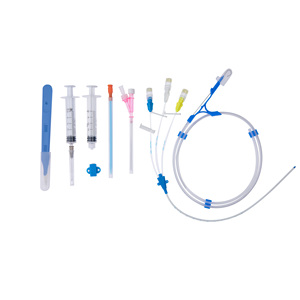
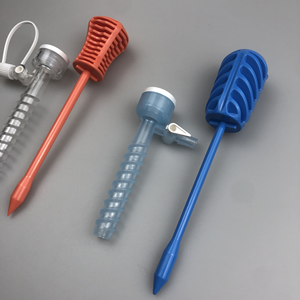
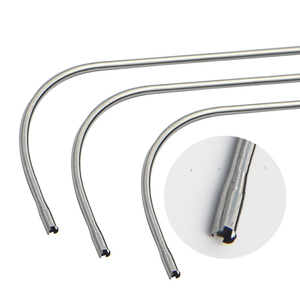
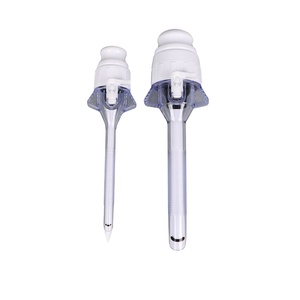
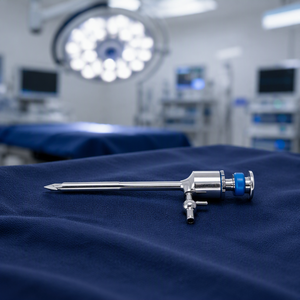
The global demand for high-barrier medical gloves and clinical single-use disposables has undergone a structural transformation. Procurement teams in healthcare systems, hospital groups, and government tenders no longer evaluate suppliers solely on unit price. According to recent search intent data and clinical procurement guidelines, decision-makers focus heavily on micro-hole barrier integrity (Acceptable Quality Level - AQL), chemical permation resistance (ASTM F739 / EN 16523-1), biocompatibility profiles (ISO 10993), and supply chain continuity.
As surgical procedures become increasingly specialized—ranging from open thoracic operations to minimally invasive laparoscopic interventions—the protective barrier provided by medical gloves must work in tandem with high-precision invasive devices such as trocar cannulae, Foley balloon catheters, and central venous catheter lines. Selecting a qualified OEM supplier requires rigorous verification of cleanroom infrastructure, automated dipping and molding technologies, and batch-wise dosimetry reports.
Information Gain Key Takeaway: Tier-1 medical gloves suppliers must demonstrate an AQL of 1.0 or lower for surgical gloves and 1.5 for examination gloves, backed by zero-accelerant nitrile formulations that mitigate Type I (latex allergy) and Type IV (chemical hypersensitivity) hypersensitivities in clinical staff.
Hospital purchasing directors must navigate a complex array of polymer chemistries, each offering distinct tactile sensitivity, puncture resistance, and chemical shielding properties:
Delivers superior puncture resistance (3x higher than natural rubber latex) and exceptional chemical resistance against chemotherapy agents. Formulated without vulcanization accelerators to prevent allergic contact dermatitis.
Replicates the exact molecular structure and micro-elasticity of natural rubber latex without containing any natural latex proteins. The gold standard for double-gloving in orthopedic and high-risk surgical environments.
Utilized in premium catheters, feeding tubes, and silicone tubing (e.g., Ultrasil range). Offers non-leachable, hydrophobic surface properties that restrict bio-film formation and cellular adhesion during long-term catheterization.
This comparative whitepaper benchmark rates leading global manufacturers based on audited technical capabilities, regulatory compliance, quality metrics, and product range breadth.
| Manufacturer Category | Primary Product Specialization | Barrier Standard / AQL | Certifications | Cleanroom Standard | OEM & Private Label |
|---|---|---|---|---|---|
| Sterimed Group (India) | Foley Catheters, ET Tubes, Trocars, Tapes, Disposables | AQL 1.0 / ISO 10993 Pass | ISO 13485, WHO-GMP, CE Marked | Class 100,000 (ISO Class 8) | Full Service (90+ Countries) |
| Tier-1 Malaysian Rubber Glove OEMs | High-volume Exam & Surgical Gloves (Nitrile/Latex) | AQL 1.0 - 1.5 | ISO 13485, US FDA 510(k), CE | ISO Class 8 Controlled Area | High Volume Bulk |
| European Critical Care Specialists | Endotracheal & Tracheostomy Airway Tubes | AQL 0.65 (Airway Leak) | MDR 2017/745, CE, ISO 13485 | Class 10,000 (ISO Class 7) | Selective Distribution |
| East Asian Laparoscopic Device Makers | Disposable & Reusable Trocar Cannulae | Zero-Defect Gas Seal Test | ISO 13485, CE, NMPA | ISO Class 8 Cleanroom | Available |
| North American Medical Supply Conglomerates | Comprehensive Acute Care Kits & PPE | AQL 1.5 Standard | US FDA Registered, CE | Multi-site Certified Facilities | Private Label Brands Only |
Founded in 1955, Sterimed Group has established itself as one of Asia's premier manufacturers and global exporters of single-use medical devices, urology catheters, anesthesia disposables, surgical dressings, and medical-grade silicone components. With state-of-the-art cleanroom facilities in India, Sterimed serves healthcare institutions and procurement distributors in more than 90 countries across Europe, Latin America, Africa, the Middle East, and Asia-Pacific.
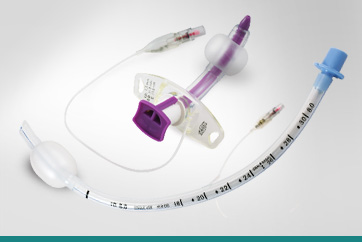
Controlled Cleanroom Assembly & Automated Packaging Lines at Sterimed Manufacturing Units.
Healthcare supply chain executives face evolving geopolitical, regulatory, and technological landscapes. Incorporating forward-looking strategies into vendor evaluation ensures long-term risk mitigation:
Importers to European markets are actively phasing out suppliers lacking MDR compliance. Technical documentation must include continuous clinical evaluation reports (CER) and post-market surveillance (PMS) data.
Global hospital networks are shifting from hyper-concentrated regional sourcing to multi-hub strategies, accelerating contract manufacturing partnerships with verified Indian manufacturers like Sterimed Group.
Innovations in biodegradable nitrile formulations and recyclable medical blister packaging are minimizing solid hospital waste footprints without compromising sterile shelf life.
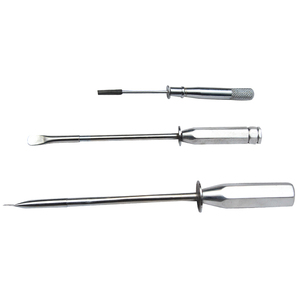
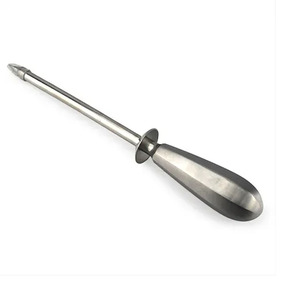
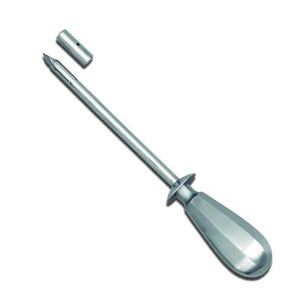
Minimalist surgical devices—such as 5mm bladeless trocar cannulae and shielded catheters—are replacing traditional sharp trocars to minimize accidental organ perforation and accelerate patient recovery times.
Key answers to common regulatory, logistical, and technical queries raised by hospital purchasing departments and medical device importers.