


Manufactured under ISO 13485 and CE compliance, our certified surgical instruments and vascular access products provide clinicians worldwide with optimal biocompatibility, radio-opacity, and insertion safety.
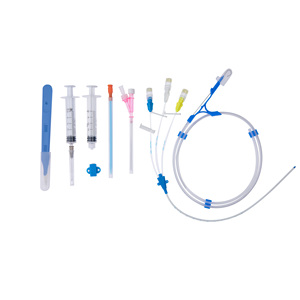
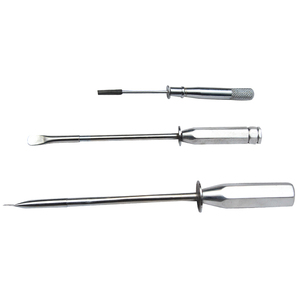
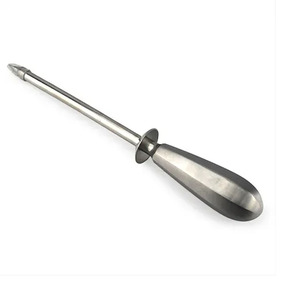
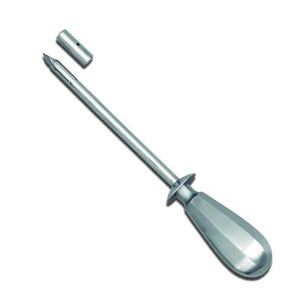
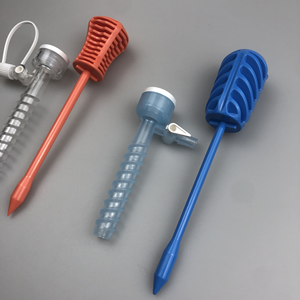
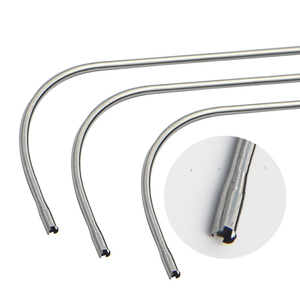
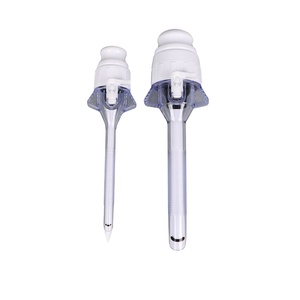
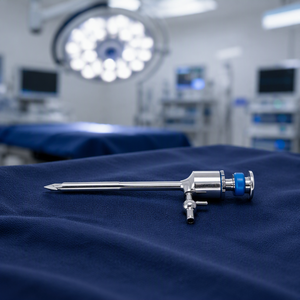
Venous access devices—encompassing Central Venous Catheters (CVC), Peripherally Inserted Central Catheters (PICC), Peripheral Intravenous Cannulae (PIVC), and surgical Trocar Catheters—form the critical vascular lifeline in modern intensive care, oncological infusion, and intraoperative fluid management.
The global vascular access device market is projected to surpass USD 8.5 Billion in valuation by 2030, propelled by expanding critical care bed capacities, increasing chemotherapy delivery needs, and mandatory clinical guidelines emphasizing the prevention of Catheter-Related Bloodstream Infections (CRBSI). For hospital procurement managers, OEM brand holders, and medical device importers, evaluating manufacturer capability requires rigorous examination of resin purity, micro-extrusion accuracy, tip geometry consistency, and sterilisation compliance.
To streamline procurement decisions, the following competitive benchmark details the top 10 global manufacturers and suppliers shaping the vascular and trocar catheter landscape based on production capacity, quality assurance architectures, clinical innovation, and private-label contract manufacturing capabilities.
Established in 1955, Sterimed Group is an international leader in medical disposables manufacturing. Operating ISO 13485, WHO-GMP, and CE-certified cleanroom plants, Sterimed produces over 10 clinical product lines—including Foley balloon catheters, siliconised central venous access tools, thoracic trocar catheters, and surgical tapes. Recognized for exceptional OEM contract manufacturing flexibility across 90+ countries.
Headquartered in the USA, Teleflex operates the renowned Arrow® brand of central venous catheters. Recognized worldwide for pioneering antimicrobial chlorhexidine-impregnated catheter coatings (Arrowg+ard® technology) designed to drastically lower intensive care unit bacteremia rates.
A German healthcare powerhouse, B. Braun manufactures high-tier vascular access products including the Certofix® CVC line and Vasofix® IV catheters. Renowned for engineered safety mechanisms, high polyurethane kink resistance, and automated European assembly lines.
BD is a global leader in high-volume vascular care, producing industry-standard peripheral IV catheters, PowerPICC™ systems, and surgical trocar assemblies. BD commands massive global logistics infrastructure and extensive FDA regulatory dossiers.
Specializing in structural heart and critical care monitoring, Edwards produces advanced pulmonary artery catheters (Swan-Ganz™) and specialized central venous access ports designed for hemodynamic patient surveillance.
A pioneer in minimally invasive interventional medicine, Cook Medical delivers specialized polyurethane central catheters, Spectrum® minocycline-rifampin impregnated devices, and micro-puncture vascular access sets.
Following the acquisition of Smiths Medical, ICU Medical provides an expansive portfolio of vascular catheters, Jelco® IV devices, Port-a-Cath® implantable access systems, and critical care infusion sets.
Focused on interventional cardiology and radiology, Merit Medical manufactures high-performance vascular access sheaths, Centros® hemodialysis catheters, and laparoscopic trocar cannulae with custom tray configurations.
Japan-based Terumo is respected for exceptional polymer processing technology, manufacturing ultra-smooth Surflo® IV catheters, hydrophilic sheath introducers, and precision surgical drainage tubing.
Argon specializes in vascular access, oncology, and drainage disposables, producing specialized single and dual-lumen central venous access products, PICC lines, and laparoscopic insertion trocars.
As a primary contract manufacturer and tier-1 supplier to global medical distributors, Sterimed Group combines deep polymer chemistry with advanced precision tooling to deliver flawless central venous and surgical disposables.
All catheter extrusion, tip forming, hub molding, and blister packaging processes occur within Class 100,000 (ISO Class 8) cleanrooms equipped with positive pressure HVAC systems, HEPA filtration, and strict particulate monitoring. This controlled atmosphere minimizes initial bioburden load prior to terminal sterilization, guaranteeing safety for sensitive central line procedures.
Sterimed utilizes aromatic and aliphatic medical-grade polyurethane resins that exhibit superior thermosensitive softening once inserted into the human vascular tree. This property balances structural rigidity for effortless Seldinger wire placement with body-temperature softening to protect fragile vascular endothelium from mechanical trauma.
Operating state-of-the-art EO sterilization chambers validated in accordance with ISO 11135 standards, every batch undergoes strict biological indicator monitoring, physical parameter validation, and post-sterilization residual aeration testing to ensure zero toxic residues remain on device lumens.
Sterimed provides international importers and hospital tender bidders with complete technical documentation, including ISO 10993 biocompatibility test protocols (cytotoxicity, sensitization, systemic toxicity), CE Declarations of Conformity, WHO-GMP certificates, and Free Sale Certificates (FSC).
The landscape of critical care catheterization is undergoing rapid transformation driven by hospital infection-control metrics, value-based healthcare procurement, and clinical safety enhancements.
Hospitals are increasingly mandating catheters treated with non-leaching silver nanoparticle matrices, hydrophilic coatings, or heparin-grafted surfaces. These innovations reduce micro-thrombus adherence and bacterial colonization (Staphylococcus epidermidis / aureus), significantly driving down long-term patient stays and hospital-acquired infection costs.
In laparoscopic surgery, traditional sharp-bladed trocars are rapidly being replaced by optical dilating bladeless trocar cannula systems. By separating tissue fibers along natural anatomical planes rather than cutting them, recovery times are shortened, incisional herniation risks are lowered, and intraoperative fascial closure requirements are simplified.
Global healthcare group purchasing organizations (GPOs) are actively diversifying their supply chains away from single-source dependencies. Importers now prioritize manufacturers with multi-facility redundancies, vertically integrated toolrooms, in-house sterilisation validation, and transparent ISO audit records.
Key technical and commercial answers regarding catheter material properties, regulatory requirements, sterilization protocols, and OEM branding options.
Contact our international sales engineering team for technical spec sheets, OEM quotation requests, or factory audit scheduling.