


Engineered to international regulatory standards (CE, ISO 13485, WHO-GMP) for acute care, surgical interventions, and veterinary procedures.
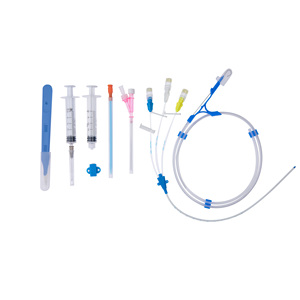
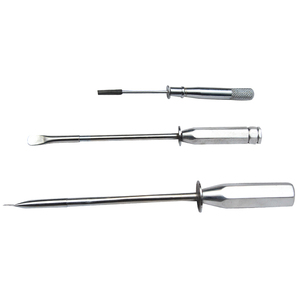
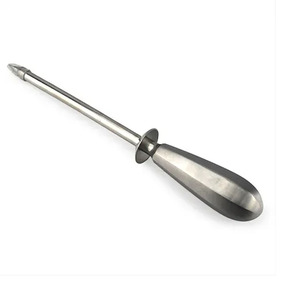
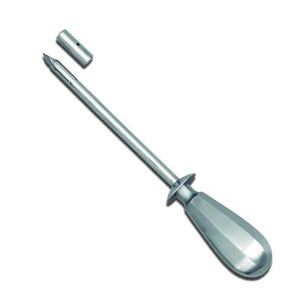
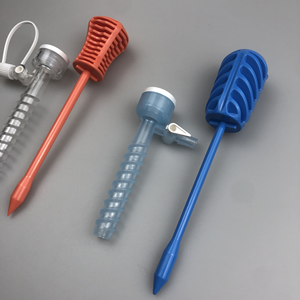
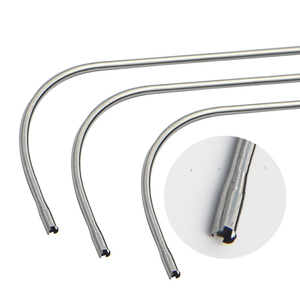
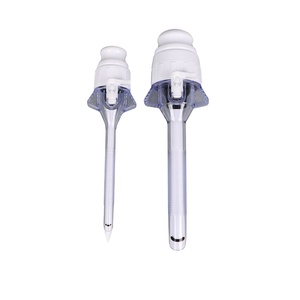
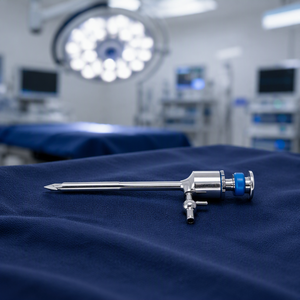
In modern clinical environments, intravenous (IV) catheters, central venous catheter (CVC) sets, and surgical trocar cannulas represent the frontline of patient care. As healthcare systems globally face increasing patient loads, hospital-acquired infection (HAI) prevention mandates, and stringent regulatory oversight under regulations such as EU MDR 2017/745 and US FDA 510(k), procurement directors must evaluate manufacturers based on holistic total cost of ownership (TCO) rather than unit price alone.
As a premier Top China IV Catheter Manufacturer & Exporters conglomerate backed by over six decades of production experience (established in 1955), our manufacturing operations unify advanced extrusion technology, cleanroom automated assembly, and strict ISO 13485 quality management systems. This whitepaper provides hospital purchasing committees, international distributors, and OEM medical buyers with a comprehensive technical evaluation framework for selecting high-performance intravascular catheters and trocar cannula devices.
Our state-of-the-art cleanrooms (Class 100,000 / ISO Class 8) adhere strictly to international good manufacturing practices. Every batch undergoes rigorous bioburden assessment, mechanical tensile testing, and 100% automated optical inspection for pinholes or flash defects.
We provide full-spectrum turnkey OEM services for international brand owners. From multi-lingual sterile pouch printing, custom IFUs, and customized primary packaging configurations to country-specific regulatory dossier compilation (CE, Free Sale Certificates), we streamline your market entry.
Exporting to over 90 countries across Europe, Latin America, the Middle East, Africa, and Asia-Pacific, our logistics infrastructure handles temperature-controlled freight, customs compliance, and batch-wise Ethylene Oxide (EO) residual verification reports (ISO 11135).
The performance of vascular access devices and trocars is determined by structural material selection and geometric finishing. The table below outlines key technical parameters distinguishing our high-tier catheter lines from generic market offerings:
| Catheter / Instrument Category | Material Composition | Key Technical Attributes | Clinical Advantage | Sterilization Method |
|---|---|---|---|---|
| Peripheral IV Catheters (PIVC) | Medical-grade Polyurethane (PUR) / FEP PTFE | Radiopaque 3-stripe co-extrusion, back-cut V-point needle tip | Thermoplastic softening inside the vein reduces mechanical phlebitis | EO Sterilization (ISO 11135) |
| Central Venous Catheters (CVC) | Aromatic Polyurethane with Biocompatible Flex-Hub | Multi-lumen design (Single/Double/Triple), depth mark increments | High flow rates, soft tip minimizes vessel wall erosion | Terminal EO Sterilization |
| Veterinary Trocar Cannulas | German Stainless Steel 316L / 304 Grade | Ergonomic grip, re-usable autoclavable shaft, ultra-sharp sharp bevel | Trauma-free abdominal wall entry in large & small animals | Autoclave / EO Gas |
| Laparoscopic Bladeless Trocars | Medical ABS & Polycarbonate Body with Silicone Valve | 5mm/10mm/12mm sizes, double-sealing gas retention system | Maintains pneumoperitoneum during instrument exchange | Single-use Gamma / EO |
| Thoracic Trocar Catheters | Clear PVC / Polyurethane with Radio-opaque Line | Tapered distal tip with smooth lateral eyes, rigid trocar core | Efficient intercostal fluid and pleural empyema drainage | Individual Blister EO Pack |
Occupational health mandates worldwide are pushing healthcare facilities toward Safety IV Catheters equipped with automatic needle-shielding mechanisms. These devices prevent accidental needle-stick injuries (NSIs) among nursing staff and reduce cross-contamination risk. As a leading manufacturer, our production lines have transitioned over 60% of volume toward fully passive safety PIVC designs.
While traditional Fluorinated Ethylene Propylene (FEP) catheters remain popular in budget-sensitive markets, Polyurethane (PUR) catheters are rapidly gaining market share. PUR softens upon insertion at body temperature, conforming smoothly to vessel tortuosity. This significantly extends dwell time, lowers extravasation rates, and yields a lower overall cost-per-treatment day for intensive care units.
Catheter-related bloodstream infections (CRBSIs) carry immense financial penalties for healthcare institutions. The integration of chlorhexidine, silver nanoparticles, or hydrophilic non-thrombogenic coatings onto central venous and peripheral catheters represents a major technological trajectory. Our R&D teams collaborate directly with polymer scientists to bring next-generation surface-modified catheters to OEM partners.
Traditional cutting-blade trocars are being phased out in favor of bladeless optical and dilating tip trocars. Bladeless trocars separate tissue fibers along natural anatomical planes rather than cutting them, resulting in smaller fascia defects, reduced post-operative pain, and lower risk of trocar-site herniation.
Navigating international regulatory customs and hospital tender requirements requires a manufacturing partner with transparent quality systems. Every shipment leaving our facilities includes:
Our production facilities operate under audited ISO 9001 and ISO 13485 Quality Management Systems, hold WHO-GMP compliance certification, and maintain CE marking for applicable device families. Detailed regulatory dossiers and Free Sale Certificates (FSC) are available upon request for international registration.
We manufacture IV catheters in sizes ranging from 14G to 26G in both Polyurethane (PUR) and FEP (PTFE) formulations. Variants include Pen-type, With-Wings, With-Port, and Safety IV Catheters. Central Venous Catheter (CVC) sets are produced in Single, Double, and Triple lumen options (Fr. 4 to Fr. 8.5).
Yes. We specialize in comprehensive OEM programs including customized medical-grade paper/film blister pouch printing, multi-lingual Instructions for Use (IFU), customized inner box design, and country-specific barcoding for hospital chain distributors and brand owners.
All single-use medical devices undergo terminally validated Ethylene Oxide (EO) sterilization adhering to ISO 11135 standards. Accelerated and real-time stability testing validates a standard shelf life of 3 to 5 years under recommended ambient storage conditions.
Medical device importers and clinical procurement teams can click the Inquire Now button on any product listing or contact our international trade desk directly to request product catalog PDFs, sample packs, material data sheets, and competitive FOB/CIF quotation schedules.