


Explore our certified, precision-engineered medical disposables. Manufactured in ISO Class 8 cleanrooms adhering to ISO 13485 and CE standards for demanding clinical, endoscopic, and veterinary applications.
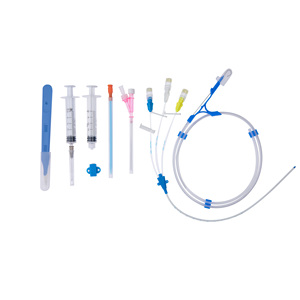
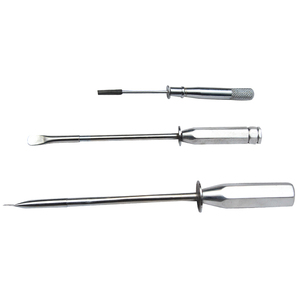
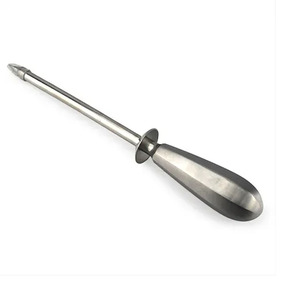
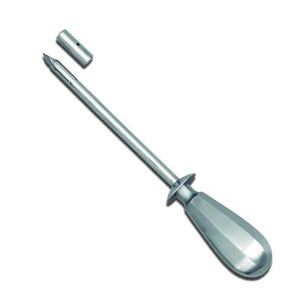
In the modern global healthcare ecosystem, precision medical tubing serves as the structural backbone for minimal invasive surgery (MIS), anesthesia delivery, cardiovascular intervention, urological care, and biopharmaceutical fluid transfer. As global hospital networks and medical device original equipment manufacturers (OEMs) demand increasingly complex multi-lumen geometries, tighter dimensional tolerances, and impeccable biocompatibility, China has emerged as the world’s primary hub for medical-grade extrusion, precision injection molding, and contract manufacturing.
Selecting qualified China medical tubing suppliers and exporters requires a deep understanding of polymer engineering, cleanroom manufacturing standards (ISO 14644-1 Class 8 / Class 100,000), quality management systems (ISO 13485:2016), and international regulatory compliance frameworks (EU MDR 2017/745 and US FDA 510(k)). This comprehensive procurement guide outlines critical technical parameters, raw material selection criteria, global trade trends, and audit mechanisms necessary to establish a resilient, high-yield supply chain.
Information Gain Key Insight: Advanced medical tubing production is shifting from standard single-lumen PVC extrusion to co-extruded multi-layered fluoropolymers, platinum-cured silicones, and radiopaque thermoplastic polyurethanes (TPU). Leading Chinese manufacturers now integrate real-time laser micrometer inspection systems during continuous extrusion, guaranteeing wall-thickness tolerances down to ±0.01 mm.
The functional reliability of catheters, trocar cannulas, thoracic drain tubes, and central venous catheters depends directly on polymer selection. Each polymer family exhibits distinct durometer hardness, tensile strength, chemical resistance, and biostability. Below is an engineering matrix comparing primary medical-grade polymers processed by premier Chinese extrusion facilities:
| Polymer Category | Durometer Range | Biocompatibility & Standards | Primary Clinical Applications | Key Advantage & Technical Feature |
|---|---|---|---|---|
| Platinum-Cured Silicone | 30A to 80A Shore | ISO 10993, USP Class VI, FDA 21 CFR 177.2600 | Long-term urinary Foley catheters, peristaltic pump tubing, wound drainage, tracheostomy tubes | Zero leachables/extractables, extreme flexibility, anti-encrustation smooth surface profile. |
| Thermoplastic Polyurethane (TPU) | 70A to 75D Shore | ISO 10993-5 (Cytotoxicity), ISO 10993-10 (Irritation) | Central Venous Catheters (CVC), PICC lines, arterial lines, high-pressure infusion sets | Thermosensitive softening inside the vascular lumen; high burst pressure resistance. |
| Medical-Grade Plasticized PVC | 55A to 95A Shore | DEHP-Free / TOTM Plasticized, REACH & RoHS compliant | Endotracheal tubes, respiratory suction lines, enteral nutrition Levin's tubes, blood bags | High optical clarity, kink resistance, low-cost scalable volume extrusion. |
| FEP / PTFE Fluoropolymers | 55D to 78D Shore | USP Class VI, Hemocompatible grade | Endoscopic working channels, vascular sheath introducers, sub-lite catheter liners | Ultra-low coefficient of friction, high thermal endurance, superior pushability and torque control. |
| Polyether Block Amide (PEBAX) | 25D to 72D Shore | ISO 10993, Medical Grade Class VI | Micro-catheters, electrophysiology catheters, balloon dilation shafts | Exceptional memory retention, precise flexural modulus customizability, braid-reinforced strength. |
China's leading exporters offer vertically integrated manufacturing solutions across multiple surgical specialties. Below is a breakdown of core portfolio categories manufactured in controlled environmental cleanrooms:
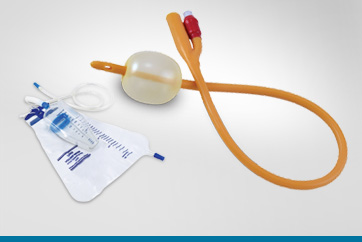
Comprehensive 2-way and 3-way latex/silicone Foley balloon catheters (Fr. 6 to Fr. 30). Engineered with symmetrical hydro-inflation balloons, atraumatic polished side eyes, and hydrophilic non-stick coatings to prevent urinary tract infections (CAUTI) and mucosal abrasion.
Inquire Now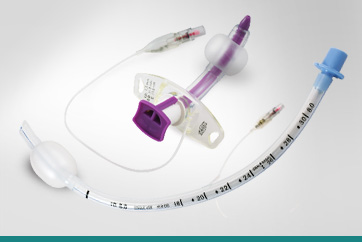
High-volume, low-pressure (HVLP) cuffed and uncuffed endotracheal tubes, siliconised tracheostomy tubes, and closed-system suction catheters. Designed with Murphy eyes, radio-opaque continuous marker lines, and kink-resistant spiral wire reinforcement for ICU ventilation.
Inquire Now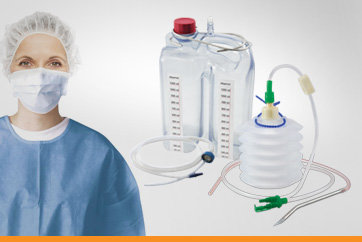
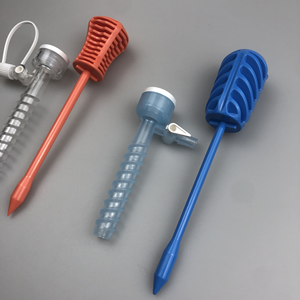
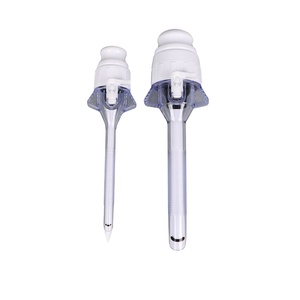
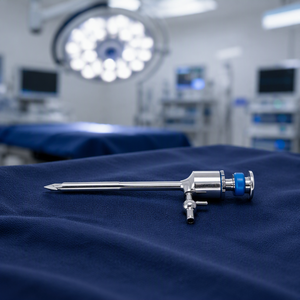
Disposable bladeless optical trocars, stainless steel trocar cannulas, thoracic trocar catheters, and closed-wound suction drainage sets. Features double-valve air-tight seals, clear visual sleeves, and ergonomic insertion grips for minimally invasive laparoscopy.
Inquire Now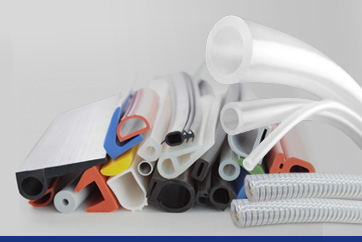
Ultrasil platinum-cured tubing designed for biopharmaceutical fluid transfer, peristaltic metering pumps, and sterile fill-finish suites. Autoclavable, tear-resistant, zero-pigment formulations offering complete chemical inertness and anti-tack outer walls.
Inquire Now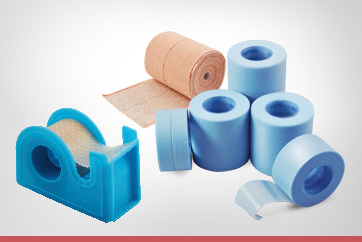
Hypoallergenic microporous surgical paper tapes, silicone gel soft-peel tapes, and IV cannula fixation dressings. Delivers firm skin adhesion under humid operating room conditions without causing skin-stripping damage upon removal.
Inquire NowBespoke contract manufacturing capabilities including multi-lumen co-extrusion (2 to 7 lumens), striping, tip chamfering, hole punching, flare forming, and insert molding. Fully tailored tooling design with zero-leak guarantee.
Inquire NowThe global medical device market is undergoing rapid technological and regulatory shifts. Procurement officers, hospital buyers, and medical device distributors must align their sourcing strategies with the following key industry trends:
Regulatory authorities worldwide (specifically EU REACH and MDR guidelines) are enforcing strict bans on traditional plasticizers like DEHP due to endocrine-disrupting risks. Chinese exporters are leading the transition to alternative non-phthalate plasticizers (such as TOTM, DINCH, and ATBC) and expanding the adoption of bio-compatible Thermoplastic Elastomers (TPE) and TPU for pediatric and hemodialysis applications.
With laparoscopic, arthroscopic, and robotic surgeries replacing open surgical techniques, there is a surge in demand for ultra-small diameter micro-tubing. Modern Chinese cleanroom facilities utilize multi-layer co-extrusion machines capable of extruding multi-lumen tubes with outer diameters smaller than 1.0 mm, integrating radiopaque Barium Sulfate (BaSO4) stripes for real-time fluoroscopic visualization.
To combat catheter-associated urinary tract infections (CAUTI) and central line-associated bloodstream infections (CLABSI), leading medical tubing manufacturers are embedding silver nanoparticles or applying hydrophilic polymer surface coatings. These coatings reduce surface friction by up to 90% upon hydration, providing smooth insertion and inhibiting bacterial biofilm formation.
Global buyers are moving away from stock commodity purchases toward co-engineering partnerships. Top China suppliers provide end-to-end prototyping services—utilizing 3D printed extrusion dies, automated optical measurement (AOM), and rapid CAD-to-mold workflows to reduce custom device development cycles from months to days.
When sourcing critical medical devices from China, verifying manufacturing rigor and audit documentation is paramount. High-caliber exporters implement multi-tier quality control frameworks designed to pass rigorous third-party audits by notified bodies such as TÜV SÜD, SGS, and BSI.
All cleanrooms operate under strict quality management systems dedicated to medical devices. Complete technical documentation (DHF/DMR) and Declarations of Conformity are available for immediate submission for regulatory dossiers worldwide.
Extrusion, tip forming, balloon bonding, visual inspection, and primary pouch sealing are executed within continuously monitored Class 100,000 clean environments with controlled air filtration, temperature, and humidity.
Terminal sterilization cycles are fully validated according to ISO 11135 standards. Each batch undergoes rigorous gas residual testing (EO & ECH limits) and biological indicator incubation before release.
To prevent supply disruptions, non-conformance recalls, and regulatory friction, global procurement teams should execute a thorough auditing protocol when establishing vendor contracts:
With over six decades of cumulative technical heritage, state-of-the-art cleanroom manufacturing, and an established export footprint spanning over 90 countries across Europe, North America, Latin America, the Middle East, and Asia, our platform bridges the gap between high-precision Chinese manufacturing and stringent international regulatory standards.
Whether you are an international distributor bidding for national ministry of health tenders, a hospital procurement network seeking reliable disposable supply, or a medical device brand developing a custom minimally invasive catheter, our engineering and export desk offers:
For European distribution, products must hold CE Marking under the EU Medical Device Regulation (MDR 2017/745) alongside an ISO 13485:2016 certified Quality Management System. For exportation to the United States, the manufacturing facility must be registered with the US FDA, and Class II devices (such as Central Venous Catheters and Trocar Cannulas) require cleared 510(k) premarket notifications.
Our production lines are equipped with dual-axis inline laser micrometers and ultrasonic wall-thickness monitors that continuously measure outer diameter (OD), inner diameter (ID), and wall concentricity during extrusion. Any deviation outside the target tolerance (±0.01 mm) triggers automated line adjustments and rejects out-of-spec tubing segments instantly.
Yes. We specialize in custom multi-lumen co-extrusion (2 to 7 distinct lumens) utilizing TPU, Silicone, PVC, and PEBAX. We can incorporate continuous radiopaque stripes (containing 20% to 40% Barium Sulfate or Bismuth Oxychloride) to enable clear X-ray and fluoroscopic visibility during clinical procedures.
We offer terminally sterilized products using Ethylene Oxide (EO) gas cycles validated per ISO 11135 standards, as well as Gamma Irradiation sterilization validated per ISO 11137. Bulk non-sterile tubing is also supplied in cleanroom double-peel pouches for clients operating their own sterilization facilities.
Standard die development and prototype sample extrusion require approximately 7 to 14 working days. Upon sample approval and contract signing, bulk production lead times range from 20 to 35 days depending on batch size, packaging complexity, and sterilization cycle queue.
International buyers can contact our export desk directly through our live inquiry portal. Sample kits, material data sheets, ISO/CE certificate copies, and virtual or on-site factory audit schedules are provided promptly upon request.
Partner with China's leading medical tubing supplier and exporter. Connect directly with our engineering sales team to receive technical specifications, factory-direct wholesale pricing, and sample packages tailored to your market.