


Manufactured in ISO 13485:2016 and Class 8 Cleanroom facilities. Engineered with high Moisture Vapor Transmission Rates (MVTR) and hypoallergenic pressure-sensitive adhesive (PSA) technology.
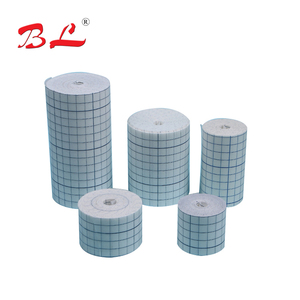
Designed for sensitive skin fixation, features high air permeability, low pain upon removal, and medical-grade acrylic adhesive.
Inquire Now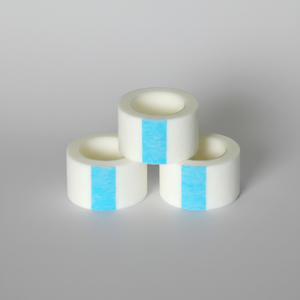
Ultra-lightweight microporous paper backing providing superior skin breathability, ideal for repeated applications on fragile skin.
Inquire Now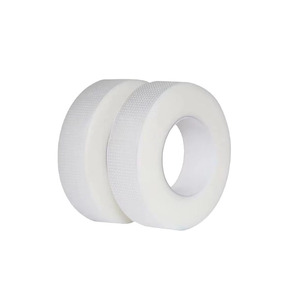
Clear perforated polyethylene film enabling continuous monitoring of skin and tubing securement without tape removal.
Inquire Now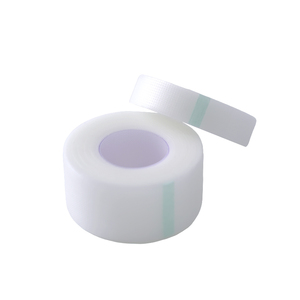
Engineered for infusion lines and clinical dressing retention with micro-perforations to prevent sweat accumulation under dressings.
Inquire Now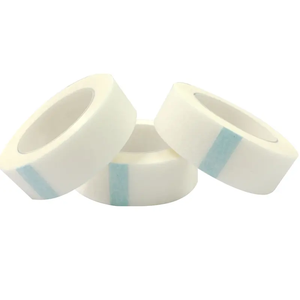
High-tensile non-woven backing with strong initial tack, suited for securing bulky surgical dressings and device catheters.
Inquire Now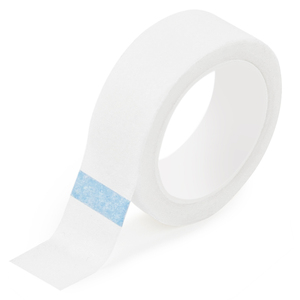
Versatile latex-free medical adhesive roll offering enhanced dynamic stretch and moisture resilience during physical movement.
Inquire Now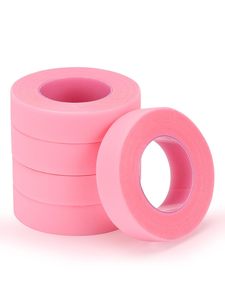
Hospital-grade transparent PE adhesive roll featuring bi-directional tearing without shears and stable long-term adhesion strength.
Inquire Now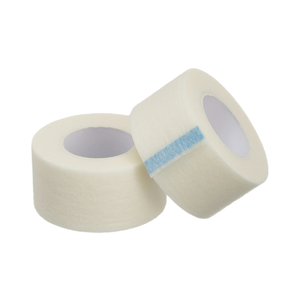
High-volume export grade paper tape engineered for post-operative wound dressings, IV needle fixation, and pediatric clinical settings.
Inquire NowThe global healthcare adhesive consumables market has undergone a fundamental structural shift over the past decade. Medical procurement managers, hospital supply chain directors, and OEM medical device brand owners are no longer evaluating suppliers solely based on unit price. Instead, procurement strategies under Search Quality Rater Guidelines (E-E-A-T) and clinical safety metrics prioritize verifiable polymer purity, bio-incompatibility risk mitigation, consistent peel-adhesion dynamics, and compliance with the EU Medical Device Regulation (MDR 2017/745) and US FDA 510(k) clearances.
China has established itself as the world’s primary production hub for pressure-sensitive adhesive (PSA) medical tapes, microporous non-woven rolls, and transparent perforated polyethylene (PE) wound fixations. However, navigating the vendor matrix requires deep technical comprehension of substrate properties, adhesive polymer chemistry, coat-weight uniformity, and moisture vapor transmission rate (MVTR) parameters.
Information Gain Insight: Preventing Medical Adhesive-Related Skin Injuries (MARSI) has become a primary KPI for acute-care hospitals globally. A superior medical tape supplier must balance mechanical tack strength with skin shear protection—ensuring secure retention of endotracheal tubes, Foley catheters, and IV lines without causing epidermal stripping upon removal.
A detailed technical breakdown of medical substrate performance, bio-compatibility profiles, and clinical application suitabilities.
| Substrate Type | Adhesive Chemistry | Average MVTR (g/m²/24h) | Peel Strength (N/25mm) | Biocompatibility (ISO 10993) | Primary Clinical Application |
|---|---|---|---|---|---|
| Microporous Paper | Hypoallergenic Pure Acrylic | > 3,500 g/m² | 3.5 – 5.0 N | Pass (Cytotoxicity & Irritation) | Paediatric, Geriatric & Repeated Dressing Fixation |
| Non-Woven Rayon/Spunlace | Medical Hot-Melt / Polyacrylate | > 2,800 g/m² | 5.5 – 7.5 N | Pass (Sensitization & Irritation) | Surgical Wound Dressing & Tubing Securement |
| Perforated PE Film | Solvent Acrylic Pressure Sensitive | > 1,800 g/m² | 4.0 – 6.0 N | Pass (ISO 10993-5 / 10) | Waterproof IV Line & ICU Drainage Tube Fixation |
| Silk / Rigid Fabric | Zinc Oxide Synthetic Rubber | > 800 g/m² | 8.0 – 12.0 N | Pass (Low Allergy Formula) | High-Load Traction, Splinting & Heavy Tubing |
| Silicone Soft Gel | Cross-linked Medical Silicone | > 4,000 g/m² | 1.5 – 2.8 N | Pass (Ultra-Gentle Profile) | Neonatal Care, Fragile Skin & Scar Management |
Combining six decades of medical manufacturing expertise with advanced coating technology and rigorous regulatory compliance.
Adhesive synthesis and continuous solvent-free coating lines operating in ISO Class 8 controlled environments, eliminating airborne particulate contamination during manufacturing.
Fully compliant with ISO 13485:2016 Quality Management Standards. Complete regulatory technical files (STED format), CE declarations, and free-sale certificates available for international registration dossiers.
In-house validated EO sterilization chambers conforming to ISO 11135 standards. Batch-wise biological indicator verification and residual EO gas analysis guarantee maximum safety.
Customized spool dimensions, inner plastic/paper core branding, individual pouch printing, barcode compliance, and shelf-ready retail packaging tailored for over 90 export markets.
Automated high-speed rotative die-cutting and slitting technology ensuring clean roll edges, no adhesive bleeding, and exact width tolerances (±0.5mm) across all production lots.
Full digital ERP integration tracking every lot from raw chemical monomer receiving through adhesive synthesis, coating, slitting, sterilization, and final container loading.
Traditional solvent acrylic adhesives offer cost benefits, but modern clinical protocols are rapidly adopting silicone soft-gel technology. Silicone adhesives provide constant peel force regardless of wear duration, allowing clean, atraumatic removal that drastically reduces skin tearing in neonatal intensive care units (NICU) and long-term care facilities.
With international environmental directives pushing for hospital plastic waste reduction, leading Chinese manufacturers are pioneering 100% bamboo fiber non-wovens and unbleached cotton backings paired with bio-based hot-melt adhesives, achieving full biodegradability without compromising tensile strength.
The rise of remote patient monitoring (RPM) and wearable continuous glucose monitors (CGM) demands medical tapes with extended wear times (7 to 14 days), water-submersion durability, and isotropic elasticity to accommodate bodily movement while maintaining electrical sensor contact.
Global distributors are requiring customized 2D DataMatrix and GS1 barcode integration down to individual roll primary packaging. This allows automated inventory tracking in hospital storehouses, preventing stockouts and ensuring automatic quarantine of expired sterile batches.
Key technical, regulatory, and commercial considerations when importing surgical tapes from China.
For international tenders and hospital distribution, reputable Chinese manufacturers must maintain ISO 13485:2016 certification for their Quality Management System. For distribution in Europe, products must hold CE certification under the EU MDR 2017/745 (or valid MDD transition certificates). Imports into the United States require US FDA Device Registration and 510(k) clearance for Class II medical tapes. Batch-wise sterilization certificates (ISO 11135) and ISO 10993 biocompatibility test reports (cytotoxicity, sensitization, intracutaneous reactivity) are essential components of the technical dossier.
Medical Adhesive-Related Skin Injury (MARSI) is avoided by precisely controlling adhesive mass (coat weight) and utilizing pure, medical-grade acrylic polymers free of residual monomers and solvents. Furthermore, substrates with high Moisture Vapor Transmission Rates (MVTR)—such as microporous paper and breathable spunlace non-woven—allow sweat to evaporate efficiently, preventing skin maceration under the tape.
Standard OEM private label orders typically carry an MOQ of 10,000 to 30,000 rolls per size specification, depending on whether customized printed inner plastic cores, custom printed heat-sealed foil pouches, or branded outer display boxes are requested. Bulk master roll shipments (jumbo rolls) for local converter facilities in overseas destinations are also available with lower minimum volume requirements.
Under recommended storage conditions (cool, dry environment away from direct sunlight, temperatures between 15°C to 25°C, and relative humidity below 60%), high-quality acrylic medical tapes maintain a verified shelf life of 3 to 5 years. Accelerated aging testing protocols (ISO 11607) validate that tackiness, tensile strength, and sterile pouch barrier integrity remain intact throughout this period.
Validated EO sterilization cycles sterilize the rolls inside permeable medical-grade packaging without degrading the adhesive tack or substrate integrity. Our automated aeration chambers ensure residual Ethylene Oxide and Ethylene Chlorohydrin levels remain far below ISO 10993-7 safety limits prior to shipment release.
Connect directly with our engineering and export team to request free product samples, comprehensive technical dossiers, factory audit access, and competitive OEM pricing.