


Explore our audited range of surgical catheters, trocar cannulas, and critical care instruments engineered for international hospital distribution and NAFDAC regulatory compliance.
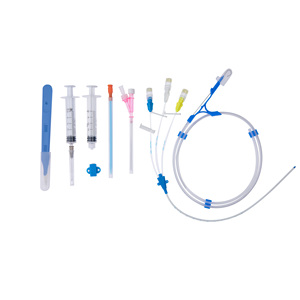
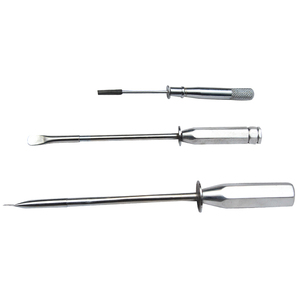
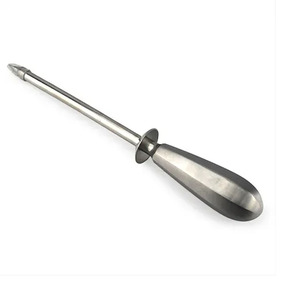
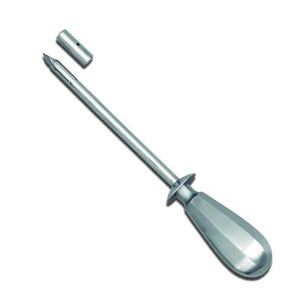
The healthcare sector in Federal Republic of Nigeria is undergoing an unprecedented structural expansion. With a population exceeding 220 million people and a rising burden of both communicable diseases and non-communicable chronic conditions (such as cardiovascular disorders, renal failure, and trauma surgical cases), the demand for high-grade vascular access devices—specifically Central Venous Catheters (CVC), Peripherally Inserted Central Catheters (PICC), and Hemodialysis Catheters—has reached a critical juncture. Modern healthcare networks across key medical hubs including Lagos, Abuja, Port Harcourt, Kano, and Ibadan are rapidly scaling their Intensive Care Units (ICUs), Emergency Trauma Centers, and Renal Replacement Therapy (RRT) facilities.
However, medical device procurement officers, hospital administrators, and healthcare distributors in Nigeria face unique supply chain challenges. Navigating international regulatory frameworks, ensuring compliance with the National Agency for Food and Drug Administration and Control (NAFDAC), maintaining sterile barrier integrity under tropical climate conditions (high ambient temperatures and elevated relative humidity), and mitigating supply chain disruptions require sourcing directly from established, audited original equipment manufacturers.
China has consolidated its position as the premier manufacturing powerhouse for medical polymer disposables, combining advanced automated extrusion technology with cost-effective production models. By collaborating directly with premier Chinese venous catheter manufacturers, Nigerian importers eliminate intermediary markups, gain access to customized OEM/private-label branding, and receive complete technical dossiers necessary for smooth NAFDAC registration and customs clearance at Apapa and Tin Can Island ports.
Achieving clinical efficacy while minimizing catheter-related complications—such as Catheter-Related Bloodstream Infections (CRBSI), central venous thrombosis, lumen occlusion, and vessel wall perforation—depends entirely on the material composition and geometric engineering of the vascular catheter. Premier Chinese manufacturers leverage advanced polymer science to deliver clinical-grade catheters optimized for extended dwell times.
Engineered with thermosensitive memory properties. The catheter remains rigid during initial Seldinger technique insertion for smooth vessel cannulation, then softens at body temperature (37°C) to conform to vascular anatomy, drastically reducing endothelial trauma.
Co-extruded continuous barium sulfate stripe along the catheter length enables crisp, high-contrast visualization under fluoroscopy and standard bedside X-ray, allowing clinicians to verify accurate distal tip placement at the cavoatrial junction.
Advanced hydrophilic polymer coatings and silver-ion embedded matrix options suppress microbial adherence (Staphylococcus aureus, Candida albicans) and minimize fibrin sheath formation, preserving long-term line patency.
Venous catheters are engineered across single, double, and triple lumen configurations to accommodate complex multi-infusion protocols in critical care settings. Independent lumen pathways prevent physical and chemical drug incompatibilities during concurrent administration of vasoactive amines, parenteral nutrition, viscous blood products, and concentrated electrolyte solutions.
Understanding the specific operational contexts of Nigerian hospitals is essential for selecting the correct catheter inventory. Equipment supplied to medical facilities in West Africa must perform reliably despite regional infrastructure variances.
In high-volume tertiary hospitals such as Lagos University Teaching Hospital (LUTH) or University of Port Harcourt Teaching Hospital (UPTH), rapid central venous access is paramount. Triple-lumen 7Fr Central Venous Catheter Sets equipped with Seldinger guidewires, introducer needles, and vessel dilators permit simultaneous central venous pressure (CVP) monitoring, rapid volume resuscitation, and continuous vasopressor infusion.
With the rise of chronic kidney disease (CKD) across Northern and Central Nigeria, hemodialysis centers require high-flow, kink-resistant catheters. Dual-lumen 11.5Fr and 12Fr short-term non-cuffed hemodialysis catheters and long-term tunneled silicone catheters provide blood flow rates exceeding 300-400 mL/min, withstanding repeated high-pressure blood pump cycles without luminal collapse.
Treatment of severe systemic malaria complications, sepsis, and oncological chemotherapy regimens requires durable central vascular access. Polyurethane PICC lines offer long-term peripherally inserted access, enabling continuous outpatient infusion while protecting fragile peripheral veins from vesicant damage.
Below is a comprehensive technical matrix designed for Nigerian procurement teams, biomedical engineers, and clinical heads to evaluate catheter specifications based on department requirements.
| Catheter Category | Gauge / French Size | Standard Length | Primary Material | Clinical Application in Nigeria | Recommended Sterilization |
|---|---|---|---|---|---|
| Single Lumen CVC | 14G, 16G, 18G, 20G | 10cm – 30cm | Thermoplastic Polyurethane | Monitored drug administration, blood draw, pediatric ICU | EO Gas |
| Double Lumen CVC | 4Fr, 5Fr, 7Fr | 13cm – 20cm | Medical TPU (Thermosensitive) | Emergency fluid resuscitation, incompatible drug delivery | EO Gas |
| Triple Lumen CVC | 7Fr, 8.5Fr | 16cm – 30cm | Soft Polyurethane / Hydrophilic | Adult ICU, surgical trauma, continuous CVP pressure monitoring | EO Gas |
| Acute Hemodialysis Catheter | 11.5Fr, 12Fr, 14Fr | 13cm – 20cm | Rigid Polyurethane / Carbothane | Acute renal failure, emergency blood purification, plasma exchange | Gamma / EO |
| Peripherally Inserted (PICC) | 3Fr, 4Fr, 5Fr | 45cm – 60cm | Medical Silicone / TPU | Long-term chemotherapy, parenteral nutrition, outpatient antibiotics | EO Gas |
Partnering with a verified manufacturer guarantees that every medical device meets rigid international standards. Drawing from over six decades of enterprise manufacturing excellence, leading Chinese production facilities incorporate state-of-the-art cleanroom technology and stringent quality control protocols.
All catheter extrusion, tip molding, hub assembly, and pouch packaging take place in ISO Class 7 (Class 100,000) controlled environment cleanrooms equipped with HEPA filtration, continuous positive pressure differentials, and airborne particulate monitoring.
Manufacturing management operates under audited ISO 9001 and ISO 13485 Quality Management Systems. Products carry CE marks and WHO-GMP compliance, providing full technical file validation for global health organizations and ministry tenders.
Every lot undergoes Ethylene Oxide (EO) terminal sterilization validated under ISO 11135 guidelines. Complete batch-wise documentation, bioburden testing, and residual EO gas analysis reports accompany every shipment for total audit readiness.
The West African medical device import landscape requires strategic planning. The Nigerian Federal Ministry of Health and NAFDAC have tightened regulatory requirements to curb substandard medical imports. Importers who align with top-tier Chinese manufacturers benefit from direct assistance in overcoming regulatory and supply-chain hurdles.
To market central venous catheters legally in Nigeria, importers must register each product family with NAFDAC. Top Chinese manufacturers supply complete technical documentation packages, including:
Nigeria’s coastal and tropical environment subjects imported goods to high humidity during maritime transport and port storage. Medical disposables are packaged using high-density Tyvek® heat-sealed pouches paired with medical-grade thermoformed blister trays. This construction prevents micro-punctures, maintains moisture resistance, and guarantees sterile barrier integrity for up to 5 years from the date of manufacture.
Export orders are consolidated in heavy-duty 5-ply corrugated export master cartons with inner moisture-proof polythene liners. Direct shipping lines operating from major Chinese ports (Ningbo, Shanghai, Shenzhen) to Lagos (Apapa & Tin Can Island) or Onne Port afford transit times of 30 to 40 days. Experienced manufacturers assist with pre-shipment inspections (such as Intertek or SGS Clean Report of Findings) required under Nigerian import regulations.
Direct answers to common technical, commercial, and regulatory inquiries from Nigerian hospital procurement committees and distributor teams.
Established Chinese manufacturers provide comprehensive regulatory support dossiers needed by your local Nigerian Superintendent Pharmacist. This includes notarized Certificates of Free Sale (CFS), ISO 13485 certificates, CE documentation, plant inspection reports, complete product labeling samples, and full ISO 10993 biocompatibility test data.
Thermoplastic Polyurethane (TPU) and Medical-Grade Silicone are ideal. TPU offers structural rigidity at room temperature for easy insertion, but softens rapidly inside the vascular lumen at body temperature, minimizing mechanical irritation of the vein wall. Additionally, medical-grade TPU exhibits exceptional chemical stability, resisting degradation under humid tropical storage.
Yes. Full OEM and private-label manufacturing programs are supported. You can customize pouch printing, inner shelf boxes, and export master cartons with your registered trade brand, local contact details, and NAFDAC registration numbers printed directly on the packaging in accordance with Nigerian regulations.
Standard catalogue orders typically feature flexible MOQs starting from 500 to 1,000 units per specification. Custom OEM packaging runs generally require 3,000 to 5,000 units per line item. Standard manufacturing lead time is 15 to 25 days following art approvals and deposit confirmation.
Each individual blister pouch features a chemical EO indicator strip that changes color upon successful exposure to ethylene oxide gas. Every production lot is accompanied by a Certificate of Analysis (CoA) detailing sterile validation, biological indicator testing, non-pyrogenicity (LAL endotoxin test), and bioburden results.
We accommodate standard international trade payment terms, including Telegraphic Transfer (T/T) with deposit terms, as well as Irrevocable Letters of Credit (L/C at sight) issued by top-tier Nigerian commercial banks. Flexible commercial terms assist distributors in managing local cash-flow cycles.
Partner with China’s premier medical disposables manufacturer. Speak directly with our international export managers to receive factory-direct quotations, technical specification sheets, and NAFDAC regulatory support files.