


Direct factory-engineered catheter solutions compliant with European Medical Device Regulation (EU MDR 2017/745) and ISO 10555 standards.
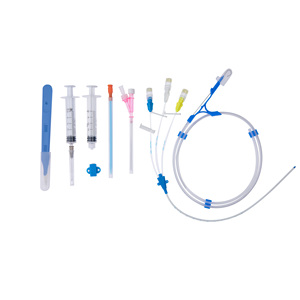
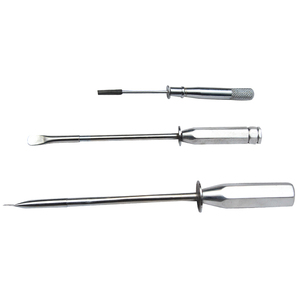
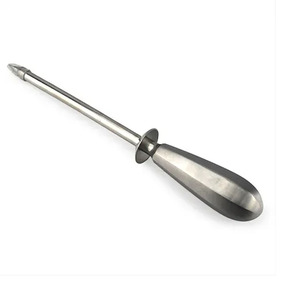
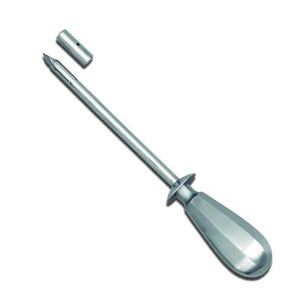
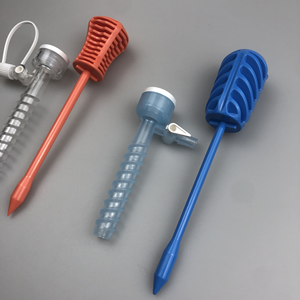
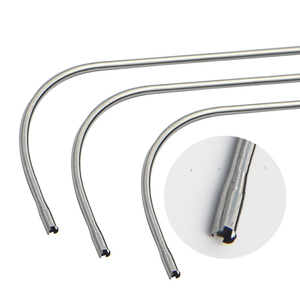
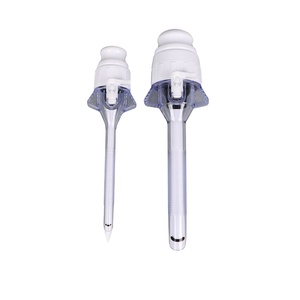
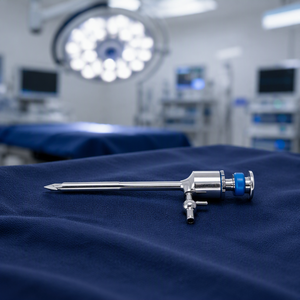
The European market for vascular access devices, specifically intravenous (IV) catheters, central venous catheters (CVC), and trocar cannula systems, operates under rigorous safety standards and clinical demands. As hospitals throughout Spain—from the public Sistema Nacional de Salud (SNS) health networks to private medical centers across Madrid, Catalonia, Andalusia, and Valencia—modernize their clinical supply chains, procurement teams require direct access to accredited manufacturing hubs capable of guaranteeing continuous supply, flawless biocompatibility, and full regulatory transparency.
Navigating the transition to EU MDR (Regulation EU 2017/745) has placed structural demands on hospital purchasing departments and medical device distributors in Spain. Purchasing non-compliant or improperly validated intravascular catheter equipment introduces catastrophic operational and clinical risks, including central line-associated bloodstream infections (CLABSI), vein thrombophlebitis, cannula tip shear, and regulatory recall penalties enforced by the Spanish Agency of Medicines and Medical Devices (Agencia Española de Medicamentos y Productos Sanitarios - AEMPS).
As a global OEM manufacturer and high-capacity exporter serving European hospital networks and OEM brand owners, our facility integrates complete vertically-integrated manufacturing lines: from precision micro-extrusion of polyurethane and PTFE tubing to automated needle grinding, tip beveling, cleanroom manual assembly (ISO Class 8 / Class 100,000), and Ethylene Oxide (EO) terminal sterilization validated under EN ISO 11135 norms.
Clinical decision-makers and procurement directors require granular data regarding lumen inner diameters, flow rates, pull-off force, and needle geometry. The table below outlines standard technical parameters across peripheral IV catheters, central venous lines, and laparoscopic trocar cannulas exported to Spain and the broader European Union.
| Catheter / Device Category | Gauge / French Sizes | Material Composition | Key Performance Metrics | EU/AEMPS Regulatory Dossier |
|---|---|---|---|---|
| Peripheral IV Catheter (Pen-Type / Wings) | 14G to 26G (ISO Color Coded) | Medical-Grade PUR or FEP Radiopaque | Softens at 37°C; Flashback chamber blood detection <0.2 sec | CE Marked, ISO 10555-1/-5, ISO 13485 |
| Central Venous Catheter (CVC Sets) | Single, Double, Triple Lumen (4Fr – 12Fr) | Radiopaque Polyurethane with Barium Sulfate | Tensile hub pull strength >15N; Smooth co-extruded tips | ISO 10555-3, Biocompatibility ISO 10993 |
| Thoracic & ENT Trocar Catheters | Fr 8 to Fr 36 (Flexible & Rigid options) | Clear PVC / Stainless Steel trocar pin | Kink-resistant wall structure; Radio-opaque marker line | Sterile EO (EN ISO 11135), Class IIa Device |
| Surgical Laparoscopic Bladeless Trocars | 5mm, 10mm, 12mm Shaft Options | German-grade Stainless Steel / Polycarbonate | Zero-leak seal membrane; Low insertion resistance (<20N) | CE Class IIa / IIb certified dossier |
| Veterinary Trocar Cannula Systems | Custom veterinary specs (Reusable/Disposable) | Passivated 316L Stainless Steel / Brass Chrome | High corrosion resistance; Autoclavable up to 134°C | Veterinary Device Quality Compliance |
Back-cut ground stainless steel needles ensure ultra-low penetration force, minimizing tissue resistance and patient discomfort during skin and vein venipuncture.
Optically clear polycarbonate flashback chambers facilitate immediate visual verification of successful venous entry, preventing vein perforation and hematoma formation.
Fully encapsulated barium sulfate contrast stripes run along the entire catheter shaft, ensuring high radiopacity under X-ray and fluoroscopic imaging for precision positioning verification.
Spain's healthcare infrastructure is decentralized across 17 Autonomous Communities, each managing its own regional health procurement body (such as SERMAS in Madrid, CatSalut in Catalonia, SAS in Andalusia, and Conselleria de Sanitat in Valencia). Navigating these public tender frameworks requires supply partners who understand localized hospital protocols, logistics, and documentation formats.
Our export team compiles complete tender dossiers including Spanish-translated Instructions for Use (IFU), Declarations of Conformity under EU MDR, Free Sale Certificates (FSC), and batch stability testing data to streamline bidding for public hospital networks across Madrid and Barcelona.
For private hospital networks (such as Quirónsalud, Vithas, and HM Hospitales), we deliver flexible high-volume delivery schedules, custom kit assembly, and low Minimum Order Quantity (MOQ) shipments directly to regional distribution centers in Bilbao, Zaragoza, and Seville.
Customized veterinary trocar cannulas, ENT catheters, and reusable German stainless steel cannula instruments tailored for livestock care and companion animal clinical procedures throughout agricultural regions in Castile and León, Extremadura, and Galicia.
Whether supplying specialized pediatric 26G peripheral IV catheters to neonatal intensive care units (NICUs) or high-flow 14G trauma catheters to emergency departments, our manufacturing infrastructure delivers uniform quality across every single lot shipped to the Iberian Peninsula.
Hospital purchasing officers cannot afford regulatory ambiguity. Our manufacturing facilities are governed by rigid quality management frameworks audited independently by European Notified Bodies.
Comprehensive medical device quality management system covering raw resin inspection, precision extrusion, automated assembly, bio-burden testing, and final product batch clearance.
Terminally sterilized using validated Ethylene Oxide cycles. Routine residual testing ensures EO levels remain far below ISO limits, safeguarding patient safety against chemical irritation.
Rigorously tested for cytotoxicity, systemic toxicity, intracutaneous reactivity, hemocompatibility, and pyrogenicity, guaranteeing complete inertness during prolonged vessel residence.
For established medical device distributors, brand owners, and hospital consortium importers in Spain seeking custom contract manufacturing, our plant provides full-service OEM and Private Label capabilities tailored to your market strategy.
European Directive 2010/32/EU mandating needle-stick injury prevention has driven high adoption of automatic passive needle-shielding mechanisms in Spanish hospitals, ensuring immediate needle tip encapsulation upon withdrawal.
Advanced catheter extrusions incorporating hydrophilic coatings and fluorinated additives reduce platelet adhesion and bio-fouling, curbing catheter-related thrombosis in long-term hospital stays.
Spanish health networks are prioritizing suppliers who utilize recyclable Tyvek pouch films, bio-based blisters, and reduced-volume corrugated master cartons to minimize hospital solid waste footprint.
Yes. All device families hold active CE Certificates under European Medical Device Regulation (EU MDR 2017/745) or valid MDD transitional provisions, backed by ISO 13485:2016 certification and complete Technical Documentation Dossiers ready for AEMPS audit review.
Polyurethane (PUR) catheters are widely recognized by clinical specialists across Spain for superior vascular biocompatibility. Polyurethane softens significantly at body temperature, conforming to vessel contours and minimizing mechanical vein wall irritation compared to standard FEP or PTFE devices.
Standard lead times for custom-branded, packaged, and EO-sterilized medical catheter orders range between 3 to 4 weeks post-artboard approval. Ocean freight to Spanish ports (Barcelona/Valencia) typically takes 22–28 days, while expedited air cargo delivers within 5–7 business days.
Absolutely. We provide full compliance with Spanish labeling requirements, including Spanish-translated Instructions for Use (IFU), symbol-compliant pouch artwork (EN ISO 15223-1), and custom lot tracking details for seamless storehouse management.
Every single batch undergoes bio-burden testing prior to terminal EO sterilization, followed by biological indicator incubation (Bacillus atrophaeus) and EO residual analysis via gas chromatography before releasing the Certificate of Analysis (CoA).
Request technical specifications, sample kits, and direct factory price quotes for your hospital network or distribution business in Spain.