


Direct Factory Supply for Hospitals, Laboratories, and Distributors in Seoul Metropolitan Region
Navigating High-Quality Standards, Strict Regulatory Pathways, and B2B Sourcing Demands in South Korea
As the healthcare sector in South Korea continues its trajectory of rapid technological advancement and expanded clinical capabilities, demand for premium-grade medical consumables—specifically sterile surgical latex gloves, examination gloves, laparoscopic instruments, and critical care catheters—has reached unprecedented levels. The Seoul Metropolitan Area, home to world-class hospital systems such as Asan Medical Center, Seoul National University Hospital (SNUH), Samsung Medical Center, and Severance Hospital, serves as the epicentre of East Asia’s sophisticated medical procurement ecosystem.
This technical B2B white paper evaluates the manufacturing standards, polymer engineering dynamics, localized application landscapes, and regulatory compliance protocols essential for international suppliers exporting latex gloves and specialized surgical disposables into the Seoul market. Engineered on a foundation of over six decades of medical device innovation (dating back to 1955 under global standards), our manufacturing ecosystem integrates ISO 13485 quality control, WHO-GMP certified cleanrooms, and CE-marked product lines engineered to exceed Korean standard requirements.
Comparative Material Science: Surgical Latex vs. Industrial Barrier Elastomers
Natural Rubber Latex (NRL) derived from Hevea brasiliensis remains the gold standard in modern surgical and high-precision clinical environments across Seoul’s top-tier operating theatres. The unique molecular architecture of cis-1,4-polyisoprene yields superior elasticity, high tensile strength, supreme tear resistance, and an unparalleled barrier protection profile against blood-borne pathogens and viral contaminants.
| Performance Metric | Medical Latex Gloves (Powder-Free) | Nitrile Synthetic Elastomer | Vinyl / PVC Barrier |
|---|---|---|---|
| Tensile Strength (MPa) | ≥ 24.0 MPa (Unaged) / ≥ 18.0 MPa (Aged) | ≥ 14.0 MPa (Unaged) | ≥ 11.0 MPa (Unaged) |
| Elongation at Break (%) | ≥ 750% (Superior Stretch Recovery) | ≥ 500% | ≥ 350% |
| Tactile Sensitivity & Fit | Exceptional (Second-Skin Ergonomics) | Moderate to High | Low (Rigid Contour) |
| Pinhole Defect Quality Level | AQL 1.0 (Surgical) / AQL 1.5 (Exam) | AQL 1.5 - AQL 2.5 | AQL 2.5 - AQL 4.0 |
| Leachable Protein Content | < 50 μg/dm² (Triple Water Leached) | Protein Free (0 μg/g) | Protein Free (0 μg/g) |
| MFDS Medical Classification | Class II Medical Device Approval | Class I/II Medical Device Approval | Class I / General Industrial |
To eliminate clinical concerns surrounding latex allergen sensitization in Korean medical facilities, modern latex manufacturing units employ multi-stage online and offline water leaching systems combined with polymer-coated or chlorinated surface treatments. This process significantly leaches out water-soluble antigenic proteins, keeping residual protein levels well under 50 micrograms per square decimetre, thereby maintaining safety without sacrificing the legendary dexterity of natural latex gloves.
Customized Barrier Protection for Medical, Aesthetic, Bio-Pharma, and Electronics Complexes
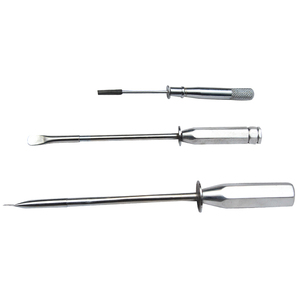
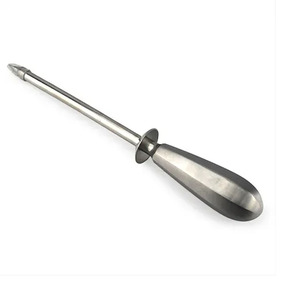
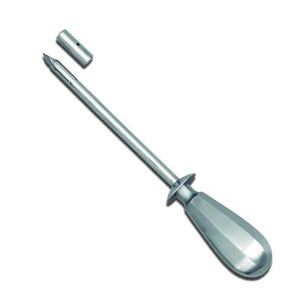
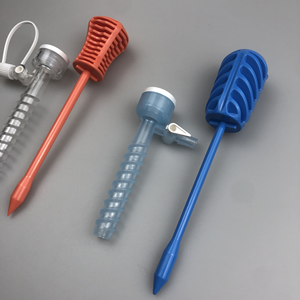
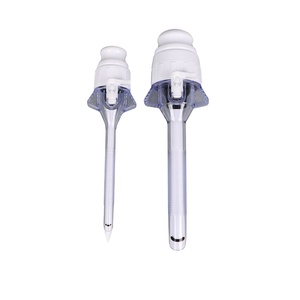
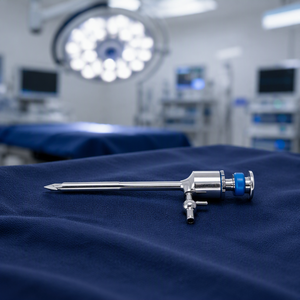
Deployed in intensive care units (ICUs) and operating rooms in Gangnam, Songpa, and Jongno districts. Anatomically curved powder-free sterile surgical latex gloves paired with laparoscopic trocar cannulas provide surgeon control during long, delicate procedures.
Gangnam’s world-renowned cosmetic surgery hubs require high-tactile sensitivity latex examination gloves. Micro-textured fingertips allow precise manipulation during dermal filler injections, laser therapies, and fine facial plastic surgery routines.
Situated in the Seoul Bio Hub and Magok Industrial Complex, cleanroom-washed, low-particle powder-free latex gloves protect sensitive biochemical assays, cellular therapies, and pharmaceutical formulations from human contamination.
MFDS Requirements, Sustainability, and Supply Chain Digitization in South Korea
Entering the South Korean medical supply market requires strict navigation of localized standards set by the Ministry of Food and Drug Safety (MFDS). Importers and buyers must ensure that international latex glove factories comply with mandatory documentation and auditing protocols:
Six Decades of Medical Device Excellence Supporting Global Importers and Distributors
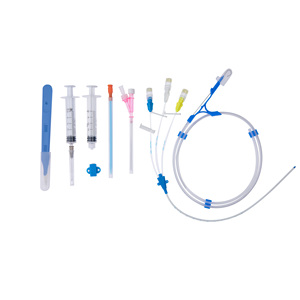
Sterimed Group, established in 1955, stands as an industry leader in manufacturing single-use medical devices, surgical disposables, silicone tubing, and barrier safety products. Our state-of-the-art facilities produce high volumes of latex Foley balloon catheters, endotracheal tubes, thoracic trocars, and specialized medical gloves supplied to over 90 countries worldwide.
Continuous double-dipping automatic production lines equipped with online thickness monitoring ensure exact cuff-to-finger wall density across Fr size ranges and glove dimensions.
Molding, dipping, inspection, and pouching operations are executed within ISO Class 7 and Class 8 cleanrooms with strict positive-pressure airflow and particulate monitoring.
Full-scale private labelling support for Korean brands, including multilingual IFUs, customized inner box design, regulatory dossier preparation, and batch-wise certificate of analysis (COA) generation.
Addressing Common Logistics, Technical Specifications, and Ordering Queries
Our manufacturing units operate under audited ISO 9001 and ISO 13485 quality management systems, hold WHO-GMP certification, and possess CE marking for medical device lines. Technical construction files, biocompatibility testing data (ISO 10993), and EO sterilization validation reports are provided to support your local MFDS registration dossier.
We implement multi-stage online leaching combined with post-formulation leaching cycles. This significantly reduces extractable water-soluble proteins to under 50 μg/dm². Furthermore, our powder-free chlorinated latex gloves undergo extensive neutralization washing, making them safe for sensitive clinical staff in operating suites.
Standard production lead times range from 14 to 25 days depending on OEM customization requirements. Air shipping to Incheon International Airport (ICN) takes 2–4 days, while direct ocean container freight to Incheon Port or Busan Port typically requires 7–14 days transit time, supported by fast-track export customs clearance documentation.
Yes. We offer turnkey private-label solutions including inner box artwork design, Korean-language regulatory labelling, standardized GS1 barcodes, custom pouch printing, and customized master export shipper configurations optimized for Korean palletized warehouse standards.
Standard MOQ for custom OEM latex examination gloves starts at 200,000 pieces per size, while surgical latex gloves start at 50,000 pairs. For trial orders, mixed-container loading combining catheters, trocar cannulas, and surgical tapes is supported to facilitate market entry in Seoul.
All sterile single-use devices, including surgical gloves, central venous catheters, and laparoscopic trocars, undergo terminal sterilization using Ethylene Oxide (EO) in accordance with ISO 11135 guidelines. Every pouch features a chemical sterilization indicator alongside clear lot number tracking for end-to-end traceability.
Direct Factory Pricing, Reliable Supply Chain Integrity, and Uncompromising Quality for the Seoul Market.