


Explore our factory-direct range of medical grade infant feeding catheters, trocar cannulas, and surgical tubing sets supplied across New Zealand medical institutions.
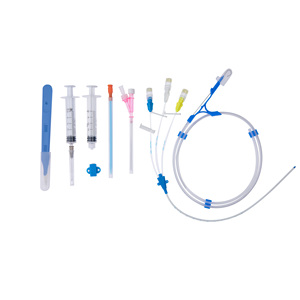
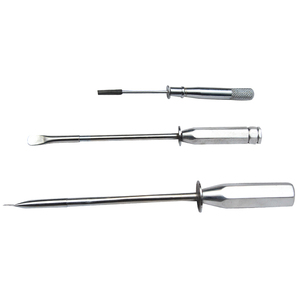
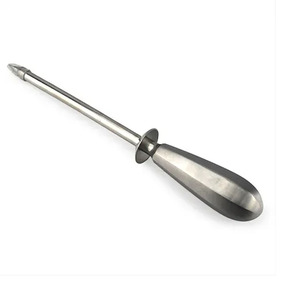
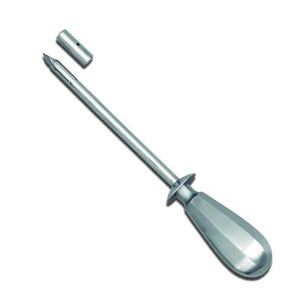
Navigating clinical standards, regulatory frameworks, and factory-direct supply models for neonatal intensive care units (NICU) across Australasia.
In pediatric healthcare and neonatal intensive care units (NICUs) across New Zealand—from Auckland City Hospital and Starship Children’s Health to Christchurch Hospital—the specification of infant feeding tubes represents a critical intersection of patient safety, clinical efficacy, and strict regulatory compliance. Infants suffering from congenital anomalies, premature birth complications, neurological dysfunctions, or extreme low birth weight (ELBW) rely on enteral nutrition catheters to receive essential human milk, formula, and medication.
Choosing the right infant feeding tube factory and supplier requires procurement teams, clinical engineers, and hospital purchasing officers to evaluate raw material purity, connector safety standards (specifically the ISO 80369-3 ENFit® directive), biostability, and manufacturing traceability. With New Zealand’s healthcare system managed under Health New Zealand (Te Whatu Ora) alongside regional private surgical networks, sourcing direct-from-factory medical disposables ensures both supply chain security and significant procurement cost optimization without compromising clinical E-E-A-T (Experience, Expertise, Authoritativeness, and Trustworthiness) standards.
Transitioning from traditional luer-lock enteral tubes to dedicated ISO 80369-3 compliant ENFit® enteral feeding systems eliminates misconnection risks with intravenous or respiratory lines. Our OEM manufacturing lines produce DEHP-free, phthalate-free medical grade polyurethane and platinum-cured silicone tubes specifically designed to satisfy Medsafe WAND database registration criteria and PHARMAC tender requirements.
A comparative technical analysis of feeding tube polymer compositions utilized in modern neonatal and pediatric enteral therapies.
The clinical outcome of long-term enteral nutrition in infants is heavily governed by the chemical composition and physical properties of the enteral catheter. Historical reliance on short-term Polyvinyl Chloride (PVC) tubes has rapidly decreased across New Zealand hospitals due to plasticizer leaching risks (DEHP) and tube hardening caused by gastric acid exposure. Advanced manufacturing standards now prioritize Polyurethane (PUR) and Platinum-Cured Medical Silicone.
| Material Type | Maximum Indwelling Time | Biocompatibility Profile | Lumen-to-Outer Ratio | Gastric Acid Resistance | Target Clinical Setting |
|---|---|---|---|---|---|
| Polyurethane (PUR) | Up to 30 Days | 100% DEHP & Phthalate-Free | Superior (Thin walls, high flow) | Exceptional (No hardening) | NICU, Long-term Enteral Feeding |
| Platinum-Cured Silicone | Up to 30–90 Days | Ultra-Inert, Hypoallergenic | Moderate (Thicker walls) | Complete Chemical Inertness | Pediatric Home Care, Sensitive Neonates |
| Medical Grade PVC | 1–3 Days Maximum | Contains Plasticizers (DEHP options) | Standard | Poor (Rigidifies within 72 hrs) | Short-term Gastric Decompression |
Polyurethane catheters soften at body temperature (37°C), allowing for effortless insertion through delicate infant nasal passages while minimizing mechanical trauma to esophageal mucosa. Furthermore, PUR permits larger internal lumen diameters relative to outer French size (Fr 4 to Fr 10), reducing tube occlusion caused by high-viscosity infant formula or fortified breast milk.
Backed by over 65 years of medical device engineering expertise, Sterimed Group provides unmatched manufacturing control, cleanroom assembly, and global certification.
Every infant feeding catheter, Levin's tube, and thoracic trocar catheter is extruded, tip-formed, and packaged inside certified ISO Class 8 / Class 100,000 cleanroom environments under strict particulate monitoring.
Full compliance with European Medical Device Regulation (MDR 2017/745) and ISO 13485 standard QMS. Batch-wise Ethylene Oxide (EO) sterilization validation and biocompatibility reports (ISO 10993) accompany every consignment.
Equipped with standardized ISO 80369-3 ENFit® connectors, color-coded closure caps, and radio-opaque stripes throughout the length. We support private-label manufacturing with customized packaging for NZ medical distributors.
Addressing diverse clinical workflows from tertiary pediatric intensive care to remote community enteral nursing.
Healthcare delivery across Aotearoa New Zealand presents unique logistical and geographic dynamics. Medical suppliers must cater to both large tertiary clinical centers and regional community healthcare providers delivering home-based care.
In intensive neonatal environments like Starship Children's Health or Wellington Regional Hospital, ultra-fine Fr 4 and Fr 5 polyurethane feeding tubes with distal atraumatic rounded tips and precision depth markings (every cm) ensure safe transpyloric or nasogastric positioning under continuous radiologic verification.
New Zealand’s outreach pediatric nursing teams support families managing chronic pediatric dysphagia at home. Platinum-cured silicone tubes equipped with dual ENFit® ports allow easy flush and formula administration, minimizing hospital readmissions across regional areas like Northland, Waikato, and Otago.
During acute gastric distress or post-operative recovery, our pediatric Levin's tubes and closed suction catheters enable continuous aspiration and decompression without wall mucosal trauma, maintaining sterile barriers across surgical operating theaters.
Strategic insights into regulatory compliance, environmental sustainability, and direct factory procurement paradigms.
The medical device landscape in New Zealand is undergoing a structural shift driven by three primary market dynamics:
Direct answers regarding minimum order quantities, regulatory dossiers, custom branding, and shipping logistics to NZ ports.
Our manufacturing plants operate under certified ISO 9001 and ISO 13485 Quality Management Systems, WHO-GMP guidelines, and maintain CE marking for pediatric and gastroenterology device families. Full batch sterilization validation (ISO 11135) and raw material biocompatibility test results are provided for local Medsafe auditing.
Yes. All infant feeding tube ranges are available with dedicated ISO 80369-3 ENFit® connectors. This prevents misconnections with vascular lines or respiratory systems, adhering to strict pediatric safety standards enforced across New Zealand hospitals.
Absolutely. We offer OEM and contract manufacturing options, including customized sterile pouch printing, multilingual instructions for use (IFU), customized French size color coding, and inner/outer carton configurations tailored for New Zealand hospital distribution networks.
We supply both high-grade DEHP-free Polyurethane (PUR) for up to 30 days indwelling time and Platinum-Cured Medical Grade Silicone for extended clinical applications. Both materials feature full-length radiopaque lines for X-ray visualization.
Factory production cycles typically range from 20 to 30 days depending on order volume and custom branding requirements. Sea freight to Auckland or Tauranga takes approximately 18–25 days, while urgent air freight consignments can be delivered to Auckland International Airport within 5–7 days.
Looking for verified factory-direct pricing, custom OEM solutions, or technical documentation for New Zealand medical tenders? Contact our international export engineering desk today.
Get Catalog